


Delhi Capitals’ Phoenix Moment: From Brink to Brilliance, a Microcosm of IPL’s Economic Crucible
POLICY WIRE — New Delhi, India — The air in Jaipur hadn’t just hummed with the electric tension of a high-stakes cricket match; it had thrummed with the palpable anxiety of a franchise staring...

POLICY WIRE — New Delhi, India — The air in Jaipur hadn’t just hummed with the electric tension of a high-stakes cricket match; it had thrummed with the palpable anxiety of a franchise staring into a burgeoning abyss. For the Delhi Capitals, mired in a three-match losing streak, the contest against Rajasthan Royals wasn’t merely another fixture in the labyrinthine Indian Premier League (IPL) schedule. No, it was a referendum, a desperate grapple for relevance in a league where fortunes—both sporting and financial—can pivot on the trajectory of a single six.
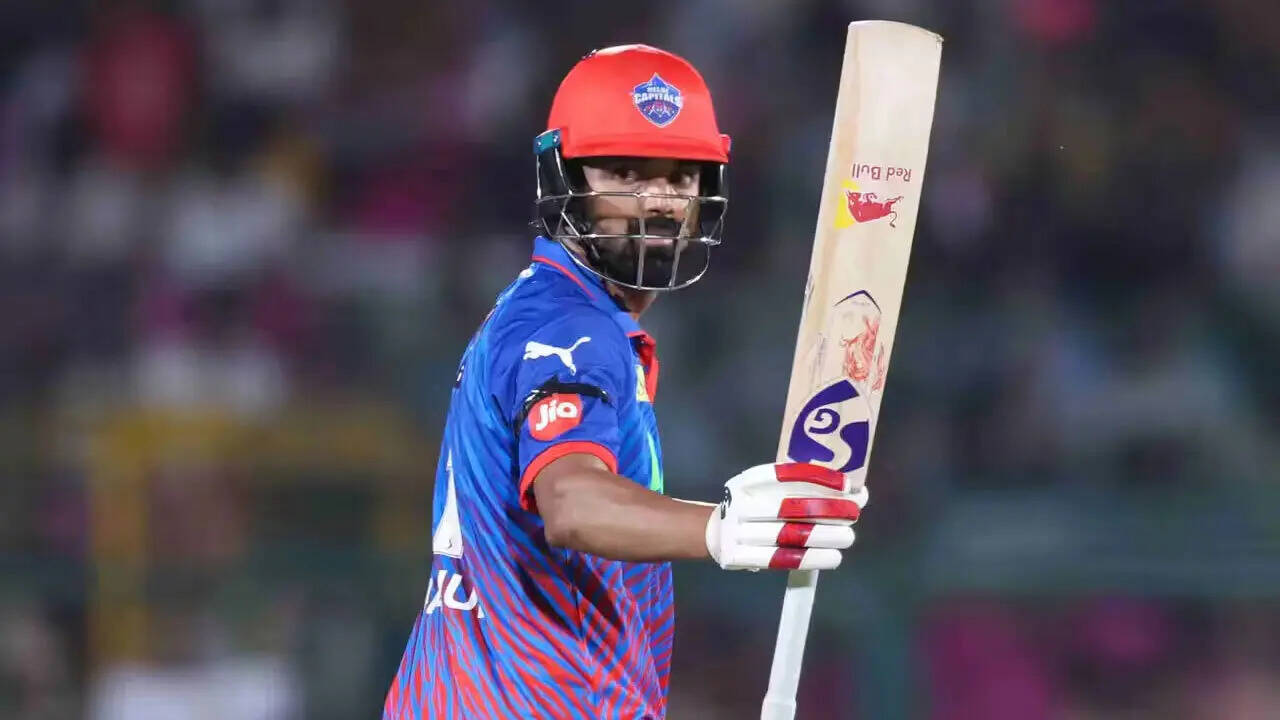
And then, a blaze. What followed was less a game of cricket and more a cathartic explosion of intent, culminating in Delhi’s highest successful run-chase in IPL history. They devoured Rajasthan’s daunting 225/6 with five balls to spare, a truly astonishing turnaround that saw captain KL Rahul score a blistering 75 off just 40 deliveries, ably supported by Pathum Nissanka’s equally destructive 62.
It’s easy to focus on the numbers — the 226 runs, the seven-wicket margin, the catapulting from the lower echelons of the points table to a slightly more respectable sixth. But behind the headlines, what we witnessed was a raw, visceral testament to the immense psychological and economic pressures inherent in this colossal sporting spectacle. You see, an IPL franchise isn’t just a team; it’s a multi-billion dollar enterprise, its brand value inextricably linked to on-field performance. A slump doesn’t just mean fewer wins; it translates to diminished fan engagement, nervous sponsors, and a ripple effect across the entire ecosystem.
Still, the players, they bear the brunt. Captain KL Rahul, a man whose every innings is dissected under the harsh glare of social media and punditry, articulated this burden with characteristic candor. "At the end of the day, we play the sport to win," Rahul mused post-match, his relief almost palpable. "After playing for so many years, numbers do matter. I mean, you’re happy that you score runs — and you score these big runs and break records. But if you don’t get the win after the game, it’s not as much fun." It’s a sentiment that underscores the unique pressure cooker of the IPL, where individual brilliance often feels hollow without collective triumph.
The dressing room, he insisted, had maintained its equilibrium despite the defeats. "We had some honest conversations in the dressing room," Rahul conceded, referencing the team’s period of introspection. "Yes, we couldn’t cash in on the big moments. Except the last game, every other game we were in the contest and one over if it went our way, we would have been on the winning side. So we do realise that we played some decent cricket, but there were some areas that we really needed to get sharp and crisp." This level of self-assessment, coming from a player of Rahul’s stature, speaks volumes about the high-stakes environment where even marginal errors are amplified.
And that relentless scrutiny extends beyond the boundary ropes. "A sustained downturn, even for a marquee franchise like ours, sends shivers through the balance sheets," commented a senior Delhi Capitals official, speaking anonymously due to the sensitivity of internal financial disclosures. "Tonight wasn’t just about two points; it was about reaffirming investor confidence and demonstrating the resilience that defines this league’s very ethos." This win, therefore, becomes a crucial narrative shift, a signal to stakeholders that the investment remains sound, the brand still potent.
This league, now valued at a staggering over $16 billion in 2024 according to Brand Finance, isn’t just India’s premier sporting event; it’s a global phenomenon. Its magnetic pull extends across the subcontinent, drawing massive viewership from nations like Bangladesh and Sri Lanka, and resonating even within Pakistan, despite the political embargo on player participation. It’s a potent instrument of India’s soft power, a cultural touchstone that transcends borders, uniting diverse populations under the banner of competitive cricket. The Capitals’ victory isn’t just a local triumph; it’s a vital contribution to the narrative of a robust, dynamic South Asian sporting economy.
For Rahul himself, the game also marked a personal vindication. His strike rate, a persistent talking point among critics for years (a constant companion for any high-profile South Asian cricketer), saw a significant bump. "The strike rate," he affirmed with a wry smile, "I’m happy that I’ve worked on that and I’m doing what’s required for the team, number one, and doing what modern T20 cricket requires." It’s a subtle nod to the continuous adaptation required of players to stay relevant in a rapidly evolving sport, where individual brilliance, as Policy Wire has previously explored, often contends with collective aspiration.
What This Means
The Delhi Capitals’ come-from-behind victory is far more than just a statistical anomaly; it’s a critical inflection point for the franchise and a fascinating case study in the broader political economy of the IPL. On a micro-level, it injects much-needed morale into a struggling squad, potentially revitalizing their playoff aspirations and, crucially, safeguarding the considerable investments of ownership. The psychological lift for players like Rahul, often under intense public scrutiny, can’t be overstated. It demonstrates that strategic recalibration and honest dialogue, as Rahul mentioned, can yield tangible results even under immense pressure.
From a macro perspective, such dramatic turnarounds reinforce the IPL’s commercial viability — and its global appeal. High-scoring thrillers and underdog victories are the lifeblood of fan engagement, driving viewership figures that, in turn, attract premium advertisers and lucrative media rights deals. This perpetuates a virtuous cycle, solidifying India’s position as a sporting powerhouse and a significant player in the global entertainment market. The narrative of resilience in the face of adversity, vividly displayed by the Capitals, is a powerful story that resonates far beyond the cricket pitch, influencing brand perception and investor confidence across the interconnected world of sport and finance. It underscores that in the high-octane world of the IPL, every win, every defeat, is a political statement of intent.