

America’s Pumps Erupt: Central Valley Bears Brunt as Geopolitical Tremors Send Fuel Costs Skyward
POLICY WIRE — Fresno, California — The humble dashboard fuel gauge, once a mundane instrument of utility, has suddenly morphed into a harbinger of broader economic disquiet for millions. It’s...

POLICY WIRE — Fresno, California — The humble dashboard fuel gauge, once a mundane instrument of utility, has suddenly morphed into a harbinger of broader economic disquiet for millions. It’s not just the digits scrolling at the pump that sting; it’s the quiet, consequential recalculations happening behind the counters of countless small businesses, particularly in California’s agricultural heartland, the Central Valley.
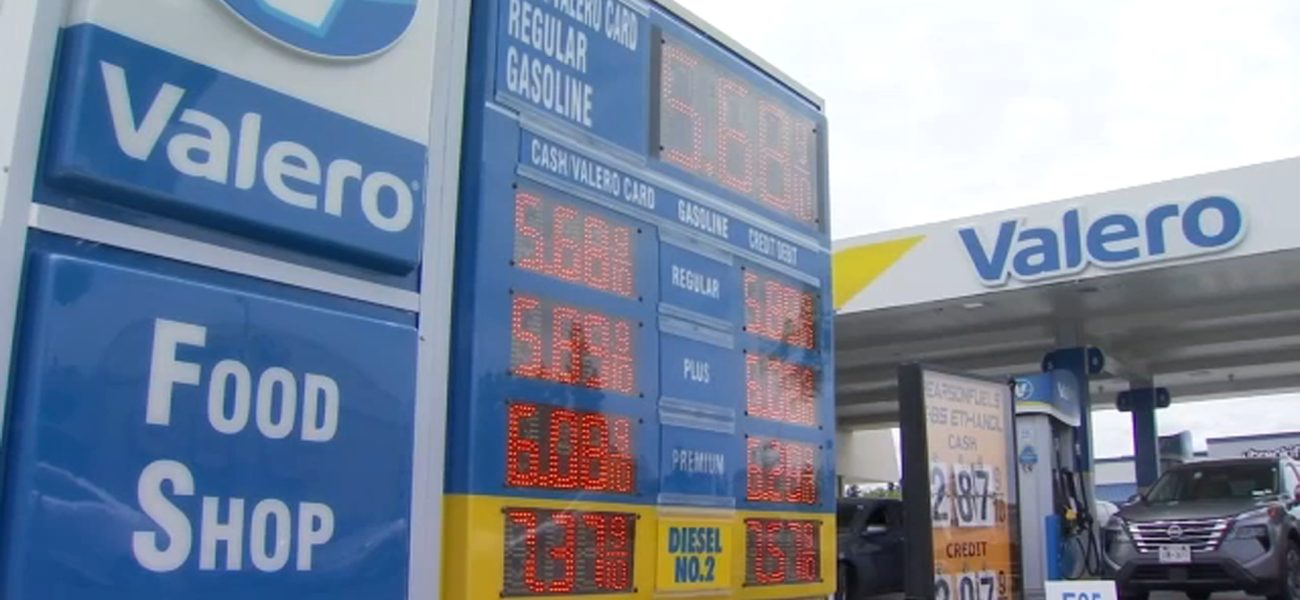
Weeks of seemingly relentless upward trajectory have propelled gasoline prices to levels not observed since the initial, shuddering economic tremors of the 2003 Iraq invasion. A full tank now demands a heftier, often agonizing, tribute from the wallets of commuters and the balance sheets of enterprises — businesses already operating on margins thinner than a razor’s edge. This isn’t merely an inconvenience; it’s a brutal reckoning for regional economies heavily reliant on transportation, agriculture, and the free flow of goods.
At its core, the current conflagration in the Middle East, while geographically distant, casts a long, palpable shadow. Analysts are quick to point fingers, of course, but the reality is a confluence of factors: tightened global supply, robust demand in certain sectors, and, crucially, the market’s inherent skittishness when geopolitical sands shift so dramatically. The fear premium, a speculative addendum to crude oil prices reflecting anticipated disruptions, is clearly in play. And it’s a premium consumers are now footing.
“We’re watching these prices like hawks, but what can you do?” shot back Maria Rodriguez, proprietor of a family-owned trucking firm based in Modesto. “Every dime more for diesel, it just eats into everything. We can’t simply pass all that cost onto our clients without losing business. It’s a vicious cycle that’s making planning almost impossible, especially for our smaller, independent drivers.” Her exasperation, you see, isn’t unique; it’s a sentiment echoed from Bakersfield to Redding.
Still, the White House maintains a measured, if slightly detached, posture. “We don’t control global oil prices; they’re determined by market forces and international events,” stated Deputy Treasury Secretary Wally Adeyemo recently. “What we can do, and are doing, is ensure domestic supply remains robust and explore avenues to mitigate inflationary pressures for American families wherever possible.” A carefully worded statement, to be sure, yet one that offers little immediate solace to those tallying their dwindling profits. The administration, already navigating a treacherous electoral landscape, now confronts the unwelcome specter of voter discontent – a tangible manifestation of kitchen-table economics that even the most nuanced policy explanations can’t assuage.
The domestic sting of rising fuel costs reverberates far beyond America’s highways. Nations like Pakistan, already grappling with a precarious fiscal position and high external debt, find themselves acutely vulnerable to global oil price hikes. Heavily reliant on imported energy, an uptick in crude prices translates almost immediately into higher inflation, further eroding purchasing power for its populace and exacerbating existing socio-economic pressures. It’s a stark reminder that the delicate balance of international energy markets impacts not just local businesses here, but the broader stability of entire regions, often pushing fragile economies toward the brink. This phenomenon isn’t exclusive to South Asia; we’ve seen Seoul’s Silent Squeeze as well.
📄 POLICY WIRE WHITEPAPER PUBLISHED: PAKISTAN'S NATIONAL SECURITY POLICY PRIORITIES
👉 READ BY CLICKING HEREAccording to the U.S. Energy Information Administration (EIA), the national average retail price for regular gasoline last week hit $3.91 per gallon, a jump of over 12% in just two months and the steepest climb since the tumultuous early days of the Iraq War in 2003. California, predictably, leads the pack with averages comfortably exceeding $5 per gallon in many areas. That’s a significant drain on household budgets and operational capital, fueling anxieties about everything from food prices to holiday travel.
What This Means
This escalating fuel crisis isn’t merely an economic headache; it’s a political hot potato with far-reaching implications. For the Biden administration, consistently high gas prices could undermine its economic messaging, proving a potent rhetorical weapon for opposition parties keen to highlight perceived failures. It’s difficult for voters to feel secure about the economy when their daily commute costs dramatically more. the sustained pressure could compel a re-evaluation of energy policy, perhaps reigniting debates over domestic oil production or the strategic petroleum reserve, a well-worn playbook in times of pump-induced angst. We might even see more unorthodox energy dealings globally as nations scramble for stability.
Economically, the impact is inflationary, undeniably. Higher transportation costs ripple through supply chains, eventually manifesting as increased prices for consumer goods. This could dampen consumer spending, a crucial engine of the U.S. economy, as discretionary income is siphoned off by essential fuel purchases. For Central Valley businesses, already contending with labor shortages and regulatory burdens, this latest surge adds another layer of existential threat. Many simply don’t have the buffer to absorb such significant, sustained cost increases, potentially leading to reduced services, layoffs, or even outright closures. It’s a stark reminder of how deeply interconnected global geopolitics is with the price of everyday life, an intricate dance whose steps few can truly predict.