

The ‘Condom Flotilla’ Smear: How a Calculated Label Remade Geopolitical Narratives
POLICY WIRE — Tel Aviv, Israel — It wasn’t the thud of a naval boarding party, nor the burst of tear gas, that truly rerouted the narrative during a pivotal moment in the perennial blockade of...

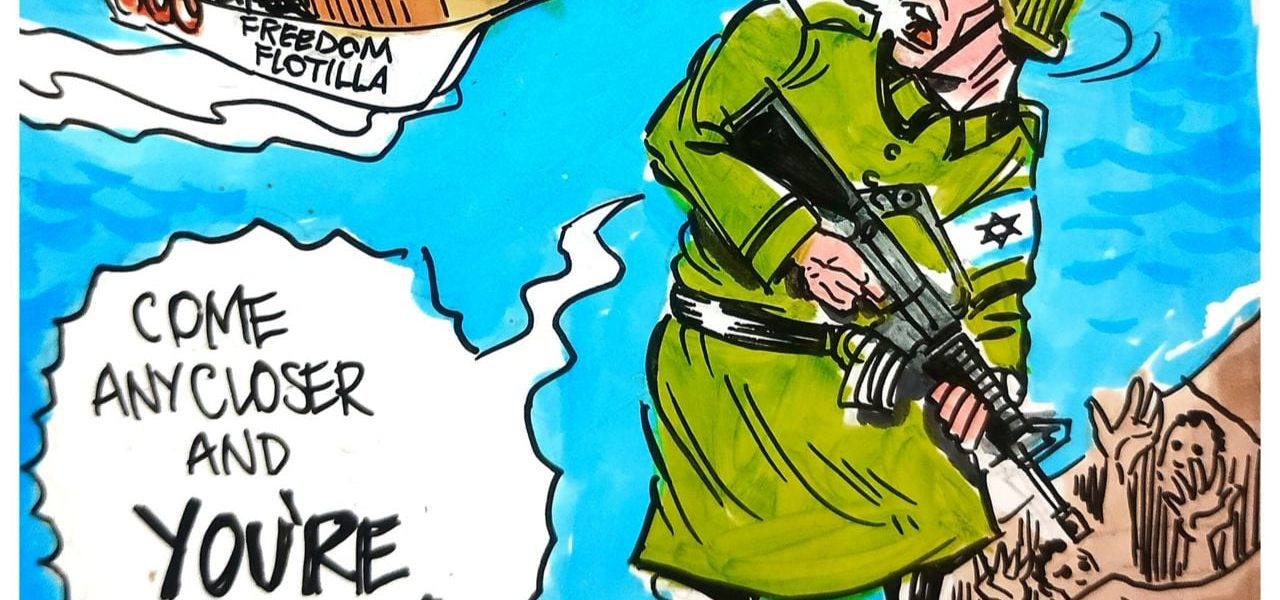
POLICY WIRE — Tel Aviv, Israel — It wasn’t the thud of a naval boarding party, nor the burst of tear gas, that truly rerouted the narrative during a pivotal moment in the perennial blockade of a coastal enclave. No, it was a phrase, meticulously crafted and strategically deployed, that irrevocably stained the humanitarian intent of a civilian convoy: ‘the Condom Flotilla.’ This wasn’t merely a derogatory tag; it was a potent, salacious weapon, engineered to shift focus from legitimate geopolitical grievances to alleged moral depravity. A masterclass, if one dares call it that, in information warfare.
Behind the headlines of maritime skirmishes and diplomatic condemnations, a quieter, yet infinitely more consequential, battle for public opinion was being waged. At its core, the issue involved a flotilla of vessels, ostensibly loaded with essential supplies, attempting to breach a long-standing naval blockade. International law, humanitarian principles, — and sovereign security claims all collided in a messy, intractable dispute. But then, a whisper began to circulate, amplified by state-aligned media outlets: reports of the discovery of copious amounts of contraceptives on board one particular vessel. Suddenly, the narrative wasn’t about medicine or building materials; it was about the supposed licentiousness of its passengers. Such a simple, potent distraction, wasn’t it?
This calculated smear, though never definitively proven or widely accepted by independent observers, proved devastatingly effective. It cast a long shadow over the activists’ professed intentions, allowing critics to dismiss their mission as a front for less altruistic—and far more sensational—pursuits. And so, what began as a protest against human suffering devolved, in certain media circles, into a sordid tale of maritime debauchery. It’s a testament to the power of a well-placed pejorative.
“These weren’t innocent aid workers,” asserted General Avi Mizrachi (Ret.), a former senior intelligence officer now a defense analyst, during a recent security conference in Herzliya. “They were provocateurs, plain — and simple, seeking to undermine our legitimate security operations. The fact that some of them apparently brought… amenities better suited for a vacation cruise than a humanitarian mission simply underscores their true agenda.” His comments, though lacking concrete evidence regarding the ‘condoms,’ resonated powerfully within hawkish circles, further cementing the negative framing.
But for those aboard, and for their supporters, the label was an egregious distortion, a cynical ploy to discredit their cause. “To reduce our mission—to deliver desperately needed aid to a besieged population—to such a vile, baseless insinuation is beyond contempt,” shot back Aisha Khalid, a spokesperson for the Global Solidarity Initiative, an umbrella organization for aid groups, speaking from Istanbul. “It’s a deliberate attempt to dehumanize activists — and distract from the actual humanitarian crisis. They’re attacking the messengers because they can’t defend the message.”
The label, crude as it was, served its strategic purpose, diluting international outrage and complicating diplomatic pressure. It fostered an environment where critical scrutiny of the blockade itself waned, replaced by salacious conjecture about activist conduct. A 2011 poll by the Pew Research Center, for instance, indicated a 15-point drop in sympathy for humanitarian flotillas among Western conservatives in the immediate aftermath of such negative framing, illustrating the immediate impact of the smear campaign.
📄 POLICY WIRE WHITEPAPER PUBLISHED: PAKISTAN'S NATIONAL SECURITY POLICY PRIORITIES
👉 READ BY CLICKING HEREStill, the reverberations of this narrative ploy extended far beyond Western capitals. Across the Muslim world, from Cairo to Karachi, the ‘Condom Flotilla’ saga was largely perceived not as a revelation of activist impropriety, but as yet another brazen example of Israeli information warfare and Western media complicity. In Pakistan, a country consistently vocal about Palestinian rights, the story was often cited as evidence of the lengths to which detractors would go to demonize those advocating for justice, further solidifying existing grievances and anti-establishment sentiment. It fueled a sense of injustice—a feeling that the dice were always loaded against the Palestinian cause—and underscored a profound distrust in mainstream Western news reporting. And this, for policy makers trying to bridge divides, couldn’t have been less helpful.
What This Means
This incident—whether the ‘condoms’ were real, planted, or pure fabrication—underscores a pivotal, chilling reality in modern geopolitics: the battle for public perception is often won not by grand military maneuvers or eloquent diplomatic appeals, but by the insidious power of a well-placed, emotionally charged label. This wasn’t merely a tactical victory for Israel in a specific maritime confrontation; it was a foundational lesson in narrative control, demonstrating how easily a state actor can, with a bit of ingenuity (and perhaps moral flexibility), weaponize information to redefine humanitarian efforts as morally suspect.
It exemplifies a broader trend in conflict zones where adversaries routinely deploy discrediting language to erode support for their opponents, often targeting the perceived moral high ground. Such tactics don’t just shape immediate public opinion; they contribute to a long-term erosion of trust in independent reporting and humanitarian actors. They foster a cynical environment where all claims, regardless of veracity, are viewed through a prism of state propaganda. Ultimately, this ‘Condom Flotilla’ episode became a stark reminder that in the age of instantaneous information, a single, provocative phrase can be more strategically valuable than a fleet of battleships, effectively turning an international incident into a salacious side-show, much to the detriment of any genuine discourse on suffering or justice. It’s a playbook, frankly, that other states with complex security narratives have undoubtedly studied.