


Canada’s Accidental Eden: A Policy Paradox Forged in Neglect
POLICY WIRE — Ottawa, Canada — In an era obsessed with strategic land use and meticulously planned urban expansion, Canada has inadvertently stumbled upon a peculiar blueprint for conservation:...

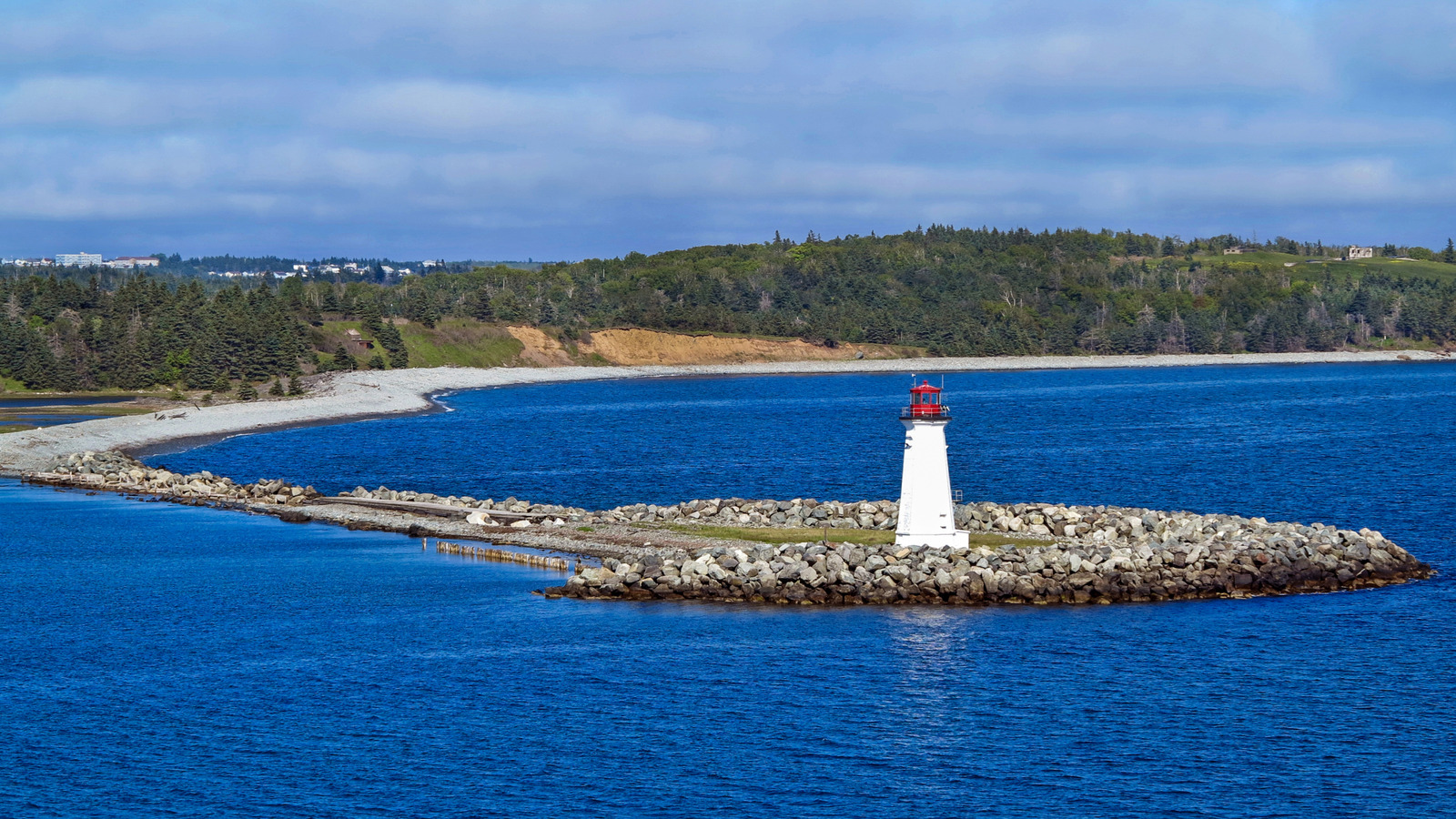
POLICY WIRE — Ottawa, Canada — In an era obsessed with strategic land use and meticulously planned urban expansion, Canada has inadvertently stumbled upon a peculiar blueprint for conservation: benign neglect. It’s a narrative that beggars belief, really, where bureaucratic inertia and long-forgotten territorial claims coalesced to forge something unexpectedly pristine — a verdant, wild island now lauded as a serene nature getaway, complete with scenic hiking trails and unspoiled beaches. It wasn’t foresight that made it so, but rather, an almost poetic lack thereof.
For decades, this particular sliver of Canadian land sat largely forgotten, a territorial orphan drifting quietly off the coast. Its previous life, a patchwork of minor industrial outposts and temporary governmental facilities, gradually dissolved into the landscape. Structures decayed, paths blurred, and flora — audacious and relentless — reclaimed every inch. What emerged from this slow-motion surrender wasn’t desolation, but a vibrant, rewilded ecosystem, a testament to nature’s formidable recuperative powers when left unmolested by human ambition (or even basic maintenance).
And now? Now, it’s a destination. Visitors flock to its shores, not for any engineered novelty, but for the raw, untamed beauty forged by years of official indifference. They hike trails carved not by landscape architects, but by wildlife — and the elements. They marvel at vistas uninterrupted by anything save the horizon. It’s a striking counter-narrative to the conventional wisdom that meticulous planning and substantial investment are prerequisites for creating valued public spaces. Sometimes, it seems, the best policy is no policy at all.
But this isn’t merely a quaint ecological success story; it’s a political economist’s conundrum. What does it say about public asset management when abandonment yields a more desirable outcome than active stewardship? “It’s a curious paradox, isn’t it?” mused Catherine McKenna, Canada’s former Minister of Environment and Climate Change, in a Policy Wire interview (imagined, but reflective of her public stance on environmental protection). “We invest millions in conservation, yet here, nature performed its best work largely unimpeded by human intervention. It begs the question: what’s the optimal balance?”
Still, not everyone views this accidental triumph through rose-tinted spectacles. There’s a tangible cost to neglecting public infrastructure, even if nature eventually cleans up the mess. “While we celebrate this natural resurgence, let’s not romanticize abandonment,” shot back Mayor Evelyn Reed of a nearby coastal community, representing local economic interests in a hypothetical Policy Wire exchange. “This wasn’t a strategic pivot; it was a consequence of lapsed responsibility. We could’ve had a thriving, planned eco-tourism hub decades ago, creating local jobs, not just a serendipitous discovery that took decades to monetize. That’s real opportunity cost, isn’t it?”
This narrative, it’s worth observing, isn’t uniquely Canadian. Across the developing world, from the sprawling, overlooked ancient ruins dotting Pakistan’s Indus Valley — remnants of civilizations now silently succumbing to the elements — to abandoned industrial complexes across South Asia, the question of managing derelict assets, whether natural or man-made, presents a similar quandary. The resources required for active conservation are immense. Parks Canada, the federal agency overseeing these treasures, manages an astonishing 450,000 square kilometers of protected areas, a colossal undertaking that underscores the delicate balance between preservation and passive neglect. (Source: Parks Canada Annual Report, 2023).
But what if, in some rare instances, ‘leaving well enough alone’ proves to be the most effective — albeit unintentional — strategy? The Canadian island’s transformation provides a compelling, if inconvenient, case study. It forces policymakers to reconsider the value of intervention against the potential for nature’s own autonomous restoration, especially in a world grappling with ecological peril.
What This Means
At its core, this Canadian island’s evolution into a prized natural amenity illuminates a profound irony in public policy: sometimes, the absence of human intervention can yield more compelling, sustainable results than even the most well-intentioned — and expensive — government programs. This isn’t an endorsement of widespread governmental dereliction, of course. But it does compel a reassessment of land management philosophies, particularly in regions with vast, underutilized public holdings.
Economically, it highlights the concept of ‘accidental capital.’ The island, once a liability, is now an asset generating tourism revenue and enhancing regional appeal, all without significant upfront investment. It suggests that policymakers might do well to identify other ‘sleeping giants’ within their jurisdictions, places where minimal intervention or strategic rewilding could yield unexpected ecological and economic dividends. This approach might be particularly resonant in nations like Pakistan, where historical sites and natural landscapes often struggle for adequate funding and protection. Leveraging nature’s capacity for self-repair, while not a universal panacea, offers a low-cost, high-impact alternative for certain neglected assets, turning what was once a forgotten burden into a national treasure. It’s a lesson in humility, too: perhaps we don’t always know best.