Frankfurt’s Coaching Conundrum: A High-Stakes Wager on Volatile Leadership
POLICY WIRE — Frankfurt, Germany — In the cutthroat theater of modern professional football, a mere three months can feel like an eternity, or conversely, a blink—especially when one’s tenure hangs...

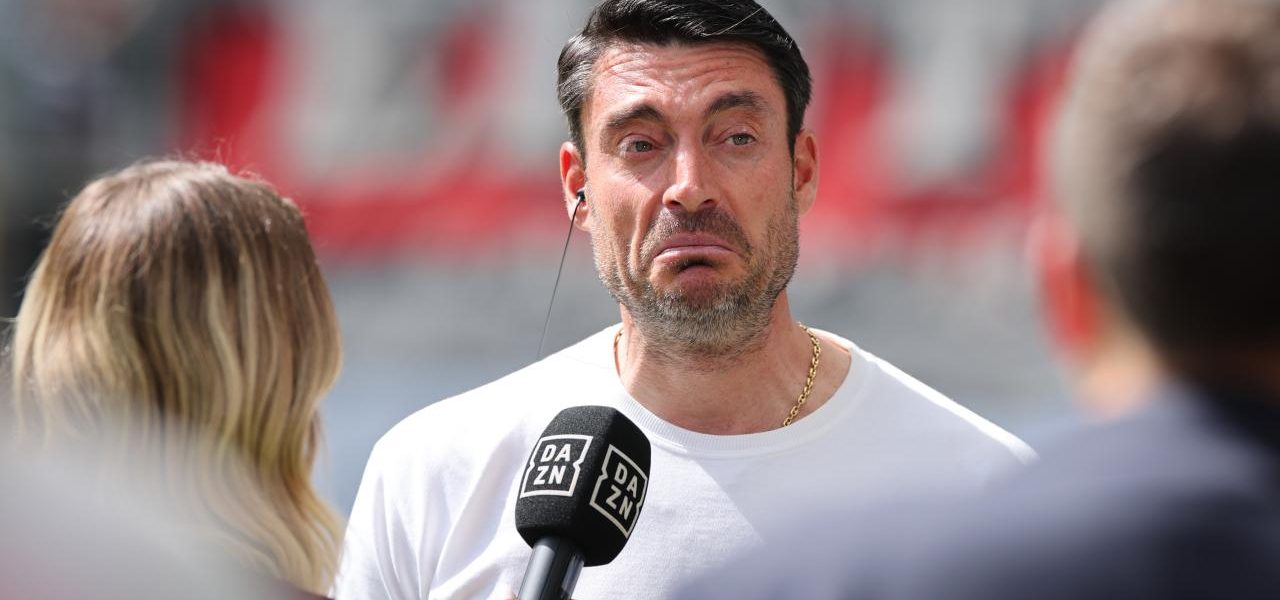
POLICY WIRE — Frankfurt, Germany — In the cutthroat theater of modern professional football, a mere three months can feel like an eternity, or conversely, a blink—especially when one’s tenure hangs precariously by a thread. That’s Albert Riera’s current reality at Eintracht Frankfurt. His brief, tempestuous reign, marked more by media scuffles than on-pitch triumphs, now presents a compelling case study in the perils of volatile leadership within a high-stakes global industry.
It’s not often that a coach, barely settling into his office chair, finds his professional obituary being penned by legendary figures. But such is the fate of Riera, whose combustible approach has, according to Germany’s iconic midfielder Lothar Matthäus, already sealed his Frankfurt destiny. Matthäus, a man who knows a thing or two about the intense glare of the sporting spotlight, didn’t mince words, suggesting Riera’s self-generated media storms have overshadowed any potential coaching acumen. “I don’t wish any coach to be sacked, truly. I’ve lived through such circumstances myself, for altogether different reasons. But Riera, he’s partly engineered his own predicament. In Frankfurt these past three or four months, everything, absolutely everything, has revolved around the coach – and often due to his own utterances,” Matthäus, speaking to Sky Germany, observed with a wry note of experienced weariness.
His sentiment isn’t merely the musing of an elder statesman; it’s a stark commentary on the evolving demands placed upon modern club management. Riera’s performance, particularly results-wise, has been underwhelming, with the club managing just one victory in its last six outings, representing a dismal 16.7% win rate, according to Bundesliga statistical analyses. This isn’t just about points; it’s about the erosion of institutional stability, a commodity increasingly prized in an era of fluid global talent markets and hyper-connected fanbases.
Behind the headlines — and the swirling rumors of dressing-room discord, there’s a more profound challenge. Eintracht Frankfurt, like many ambitious European clubs, isn’t just selling match tickets anymore; it’s cultivating a global brand, attracting international talent, and engaging diverse fan demographics. When a coach becomes the story — especially for confrontational media antics and perceived poor man-management — it inevitably impacts that broader institutional narrative. This instability, frankly, can deter potential partnerships and dim the club’s allure in emerging markets, including the burgeoning football-loving populations across the Muslim world and South Asia. Think about how a club’s brand integrity, built on consistent performance and leadership, becomes a crucial soft power asset in regions like Pakistan, where European football enjoys immense popularity. The perceived lack of managerial foresight, therefore, isn’t just a German problem; it’s a global corporate athletic distress.
Still, the club’s sporting director, Markus Krösche, finds himself in an unenviable position. He’s the architect of Riera’s appointment, and reversing course so swiftly means admitting a significant misjudgment, which isn’t easy. “We evaluate performance constantly, — and that includes the entire coaching staff. Our focus remains on the club’s long-term trajectory and ensuring we uphold the values and standards Eintracht Frankfurt represents,” Krösche was quoted as saying in a recent, carefully worded press release, a statement that offered little solace to those seeking definitive answers but subtly hinted at ongoing internal deliberation.
📄 POLICY WIRE WHITEPAPER PUBLISHED: PAKISTAN'S NATIONAL SECURITY POLICY PRIORITIES
👉 READ BY CLICKING HEREMatthäus, ever the pragmatist, drew parallels to Sandro Wagner, another outspoken figure whose managerial stint at Augsburg ended abruptly. “This situation, it’s eerily reminiscent of Sandro Wagner in Augsburg. Like Wagner, Riera must learn to operate in a manner that keeps him out of the relentless media spotlight as a head coach,” he reiterated, implying a fundamental misunderstanding of the modern managerial role. Riera’s public lashing out at media reports concerning an alleged fallout with striker Jonathan Burkardt – which he dismissively branded ‘lies’ – only intensified the scrutiny, transforming a potential internal squabble into a full-blown public spectacle.
The suggestion, delivered with the bluntness of a veteran, is for Frankfurt to cut their losses, much like Bayer Leverkusen reportedly did with Erik ten Hag earlier in the season (a move that, it should be noted, was never officially confirmed by Leverkusen but is widely circulated in pundit circles). “Leverkusen appointed Erik ten Hag and quickly realised it was the wrong decision,” Matthäus pointed out, suggesting a decisive, albeit painful, solution. “I just don’t believe Riera has a future in Frankfurt. Far too much has transpired for any realistic path forward.”
What This Means
At its core, Riera’s potential departure isn’t merely a managerial sacking; it’s a policy failure. It spotlights the immense pressure on sporting directors to make quick, impactful hires and the even greater pressure on coaches to manage not only tactics and players but also their own public personas in an era of incessant media attention. For clubs like Eintracht Frankfurt, whose ambitions stretch beyond national borders, stability at the helm is paramount. This isn’t just about on-field results; it’s about safeguarding brand equity, maintaining investor confidence, and ensuring the club remains an attractive destination for top talent. A revolving door of coaches sends signals of organizational disarray, impacting everything from sponsorship deals to youth development pathways. in a globalized sports economy, managerial instability can inadvertently undermine efforts to forge connections with diverse fanbases. Consider the significant diaspora of football enthusiasts from nations like Pakistan and other parts of South Asia, who often align their loyalty with European clubs that project an image of professionalism and consistency. Constant turmoil alienates these crucial audiences, diminishing the club’s international reach — and revenue potential. It underscores that in modern football, managing perceptions is often as crucial as managing the team itself.