


Leicester’s Precipitous Plunge: A Case Study in Corporate Athletic Distress
POLICY WIRE — Leicester, United Kingdom — The King Power Stadium, once a crucible of improbable triumph, now stands as a stark monument to reputational insolvency. It’s not merely a football...

POLICY WIRE — Leicester, United Kingdom — The King Power Stadium, once a crucible of improbable triumph, now stands as a stark monument to reputational insolvency. It’s not merely a football club wrestling with a managerial vacancy; it’s a multi-million-dollar enterprise on the precipice of systemic instability, grappling with the thorny calculus of leadership in the wake of an unprecedented corporate athletic meltdown.
Leicester City, scarcely a decade removed from its fairytale Premier League crown, finds itself exiled to League One, an ignominious fate cemented by back-to-back relegations. This isn’t just about a team losing games; it’s about a brand hemorrhaging value, a global fanbase questioning its faith, and an ownership group – King Power International – confronting a profound strategic dilemma. And at its core, the immediate question persists: who possesses the mettle, and the tactical acumen, to undertake this colossal salvage operation?
Gary Rowett, the outgoing incumbent, oversaw the club’s most recent, bruising descent. He arrived on a short-term mandate, a stopgap measure, yet he’s signalled his readiness to shepherd the ailing enterprise into its third-tier purgatory. “I’ve consistently signalled my readiness to continue this arduous undertaking,” Rowett mused recently, “yet I’m not blind to the inherent allure of a clean slate – a completely new vision for the club’s trajectory.” But this very openness underscores the pervasive uncertainty permeating the club’s gilded corridors. It’s a sentiment echoing through boardrooms everywhere when a venture falters: cling to the known, or gamble on the new?
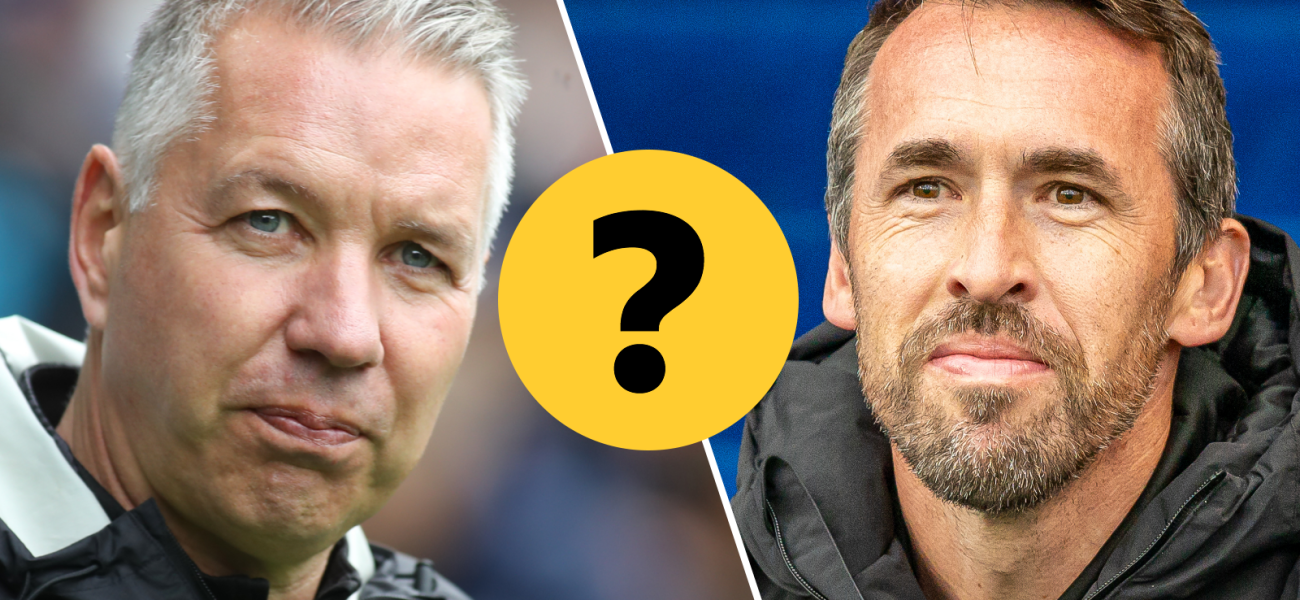
So, the rumour mill churns with names both familiar — and esoteric. Darren Ferguson, a scion of managerial royalty and a connoisseur of League One promotions, presents a compelling, if conventional, profile. His three successful ascensions from this very division with Peterborough United speak to a specific, hard-earned expertise. Then there’s the Dutch strategist Dick Schreuder, currently guiding NEC Nijmegen in the Eredivisie – an intriguing, perhaps more progressive, choice. Still, for a club whose recent past is studded with star power, the mention of former Fox Christian Fuchs – a Premier League winner now managing Newport County – offers a poignant reminder of departed glories and the cruel capriciousness of fate.
Behind the headlines and the fan forums (which, let’s be honest, are boiling cauldrons of conflicting opinions), the club’s Thai ownership, King Power International, faces a consequential decision. Their initial investment transformed Leicester, catapulting it to unimaginable heights, but its current predicament tests the very foundations of that ambitious patronage. “The integrity of our investment and the loyalty of our global fanbase – extending from Leicestershire to Lahore, from Bangkok to Birmingham – demand not just a tactical mind, but a strategic architect capable of restoring fundamental value and cultural resonance,” stated Aiyawatt Srivaddhanaprabha, the club’s chairman, via a company spokesperson. He wasn’t just talking about winning football matches; he was articulating a profound corporate imperative.
It’s a stark reminder of the financial stakes. According to Deloitte’s Annual Review of Football Finance, clubs relegated from the Premier League can see their revenues plummet by over 60% in the first season out of the top flight, with further declines in subsequent descents. For Leicester, a club that once commanded global attention, this fiscal attrition is a stark reality. It’s why the managerial choice isn’t just about formations — and tactics; it’s about asset protection and brand revival.
The club’s global footprint, a legacy of its improbable title win, means this decision reverberates far beyond the confines of the English Midlands. Millions in South Asia, particularly in countries like Pakistan and India where Premier League football garnered fervent followings, watched Leicester’s ascent with genuine admiration. Now, they observe its struggles, a cautionary tale of how quickly fortunes can pivot in the cutthroat arena of professional sport. It’s a narrative not unlike the shifting geopolitics of talent acquisition seen in other sports, where deep pockets and shrewd management dictate the competitive landscape. (Just look at the complex world of Spain’s shifting geopolitics of talent in football’s upper echelons).
What This Means
Leicester City’s current predicament is more than a footballing crisis; it’s a compelling case study in corporate brand management under duress. The managerial appointment isn’t merely about finding a coach; it’s about selecting a CEO of a distressed asset, tasked with arresting further decline, rebuilding confidence, and re-establishing a viable market position. The choice between an established journeyman like Ferguson and a more avant-garde tactician like Schreuder reflects a fundamental strategic fork in the road: does the board prioritize pragmatic, short-term stability or gamble on a potentially transformative, albeit riskier, long-term vision?
The economic implications are severe. The precipitous drop in broadcast revenues, sponsorship appeal, and matchday income necessitates a leader capable of ruthless financial management as much as inspiring on-field performance. It’s a stark illustration of the brutal capitalism underpinning modern sport, where a single poor decision – or a series of them – can unravel years of careful cultivation. The club’s decision will be scrutinized not just by fans, but by investors and market analysts who view sports franchises as increasingly volatile, yet potentially lucrative, global enterprises. Their path forward will serve as a stark lesson for any entity navigating a similar, vertiginous decline.