

NASCAR’s New Engine: CW Deal, O’Reilly Rebrand Signal Aggressive Play for Shifting Media Landscape
POLICY WIRE — Charlotte, North Carolina — The rumble you hear isn’t just the roar of stock car engines; it’s the thrum of a deeply strategic pivot in NASCAR’s high-stakes media...

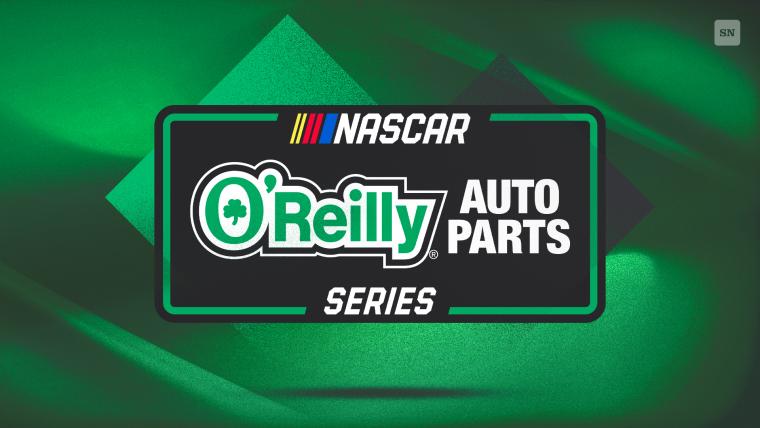
POLICY WIRE — Charlotte, North Carolina — The rumble you hear isn’t just the roar of stock car engines; it’s the thrum of a deeply strategic pivot in NASCAR’s high-stakes media game. For 2026, what was once the Xfinity Series—a familiar fixture for over a decade—has shed its moniker, emerging as the O’Reilly Auto Parts Series. But don’t let the corporate name change overshadow the more consequential shift: the entire circuit is now slated for broadcast on The CW Network, a move that shatters traditional sports media paradigms and hints at a desperate, perhaps brilliant, grab for the elusive younger demographic.
It’s a bold maneuver, really, considering The CW’s previous programming slate leaned heavily into youth dramas and genre fare. Placing an entire NASCAR season, replete with its 33 race weekends and a distinct cultural footprint, onto a network best known for superheroes and teen angst (even if its owners, Nexstar Media Group, have broader ambitions) suggests either profound foresight or a calculated gamble of epic proportions. And frankly, it’s probably both.
Behind the headlines, this isn’t merely about a new sponsor or a fresh channel. It’s about revenue streams, audience fragmentation, and the relentless quest for relevance in an increasingly crowded entertainment ecosystem. The motorsport’s governing body, it seems, isn’t just selling advertising space on a car; it’s selling an entire platform, repackaged for a new generation. NASCAR leadership has, naturally, framed it as an expansion of reach.
“This partnership with The CW and O’Reilly Auto Parts is fundamentally about access,” declared Steve Phelps, NASCAR President, in a recent private briefing. “We’re pushing our sport into new households, exposing the incredible drama and athleticism of our drivers to viewers who might not typically tune into traditional sports channels. It’s a strategic expansion of our footprint, period.” His words, delivered with characteristic executive polish, underscore the commercial imperatives driving the decision.
Indeed, The CW’s demographic skew could prove fertile ground for NASCAR, particularly as established sports viewership ages. This pursuit of younger eyeballs isn’t unique to American motorsports; it’s a global phenomenon. Even in regions like the Muslim world, where football (soccer) and cricket reign supreme, media giants are constantly vying for youth engagement, mirroring the West’s struggle to keep digital natives tethered to linear television. The universal challenge for sports leagues, from the Premier League to the Pakistan Super League, is how to translate fleeting social media attention into dedicated viewership.
For O’Reilly Auto Parts, a national retail chain with over 6,000 stores, the rebranding of an entire NASCAR series offers unparalleled brand saturation. It’s a statement, a declaration of intent to embed itself deeply within the cultural fabric associated with American automotive culture. “Our brand ethos aligns perfectly with the passion and dedication of NASCAR fans,” explained an ebullient Michael O’Reilly, Executive Vice President of Marketing for O’Reilly Auto Parts, during the announcement. “This isn’t just sponsorship; it’s a partnership designed to cultivate fan loyalty and reinforce our commitment to automotive enthusiasts nationwide. We couldn’t be more thrilled to be the title sponsor for such a prestigious series.” It’s a sound bite, certainly, but it encapsulates the commercial logic that underpins such deals.
The 2026 calendar itself reflects a certain continuity, even with the new branding. From the season opener at Daytona International Speedway on February 14th to the championship race at Homestead-Miami Speedway on November 7th, fans can still anticipate 33 weekends of high-octane spectacle. Notable dates include the April 11th race at Bristol Motor Speedway and the playoff opener at Darlington Raceway on September 5th. But these dates, once the sole focus, are now mere waypoints in a larger corporate strategy. And it’s a strategy that relies heavily on the ability of The CW to not just air races, but to *market* them to a fresh audience.
📄 POLICY WIRE WHITEPAPER PUBLISHED: PAKISTAN'S NATIONAL SECURITY POLICY PRIORITIES
👉 READ BY CLICKING HEREHistorically, NASCAR has been a ratings juggernaut, though recent years have seen fluctuations. A 2022 Oxford Economics study found NASCAR’s economic impact in the U.S. to be approximately $7.1 billion annually, supporting 75,000 jobs. That kind of economic heft underscores why strategic media deals are paramount; the sport isn’t just entertainment, it’s a substantial economic engine.
Still, shifting a major sports series to a network that’s still finding its footing in the sports arena presents its own peculiar risks. Will the casual CW viewer embrace the gritty, high-speed drama of stock car racing? Or will the existing NASCAR faithful, accustomed to traditional sports broadcasters, feel disenfranchised? Only time—and viewership numbers—will tell if this audacious gamble pays off. But make no mistake, it’s a gamble that speaks volumes about the future of professional sports and the channels through which they reach us.
What This Means
At its core, NASCAR’s migration to The CW is a stark reflection of the evolving media landscape and the desperate scramble for audience share. For years, sports content was the crown jewel of cable television, a bulwark against cord-cutting. Now, as streaming services proliferate and younger audiences migrate to digital-first platforms, traditional broadcasters like The CW—owned by Nexstar, a company with significant local TV holdings—are forced to innovate. This deal signals a broader trend: sports leagues are increasingly willing to partner with non-traditional outlets in exchange for broader exposure and potentially more favorable financial terms. It’s an economic play to tap into new advertising markets and, crucially, to cultivate a fresh generation of fans.
The implications extend beyond mere viewership. It’s a redefinition of brand identity. NASCAR, often stereotyped, is actively seeking to shed older perceptions by aligning with a network that, despite its recent ownership changes, still carries a younger, more diverse connotation. This isn’t just about showing races; it’s about reshaping the sport’s image for a competitive future where cultural relevance is as valuable as gate receipts. it highlights the immense power of corporate sponsorship in dictating the very nomenclature of athletic competition—a phenomenon that has long been evident in American sports, and increasingly, globally, including the hyper-commercialized world of football’s lucrative future.
This move could also spark similar, unconventional partnerships across other sports, leading to a more fragmented, yet potentially more accessible, sports viewing experience. It’s a calculated risk, betting that the novelty of seeing stock cars on The CW will generate buzz and ultimately, new devoted followers, much like Miami’s sporting titans are constantly seeking new ways to amplify their global reach. The success or failure of this audacious rebrand and broadcast alliance will provide a crucial case study for how legacy sports navigate the tumultuous waters of 21st-century media consumption.