


Inflation’s Whims, America’s Resolve: Consumers Shrug Off Soaring Prices
POLICY WIRE — Washington, D.C. — The gas pump’s flashing digits tell one story; America’s checkout lines, an entirely different narrative. While economists and pundits have spent months...

POLICY WIRE — Washington, D.C. — The gas pump’s flashing digits tell one story; America’s checkout lines, an entirely different narrative. While economists and pundits have spent months prognosticating doom — or at least, significant belt-tightening — for the American consumer, a curious phenomenon persists: a collective shrug, a steadfast continuation of spending habits even as the cost of living ratchets upward. It’s a paradox, frankly.
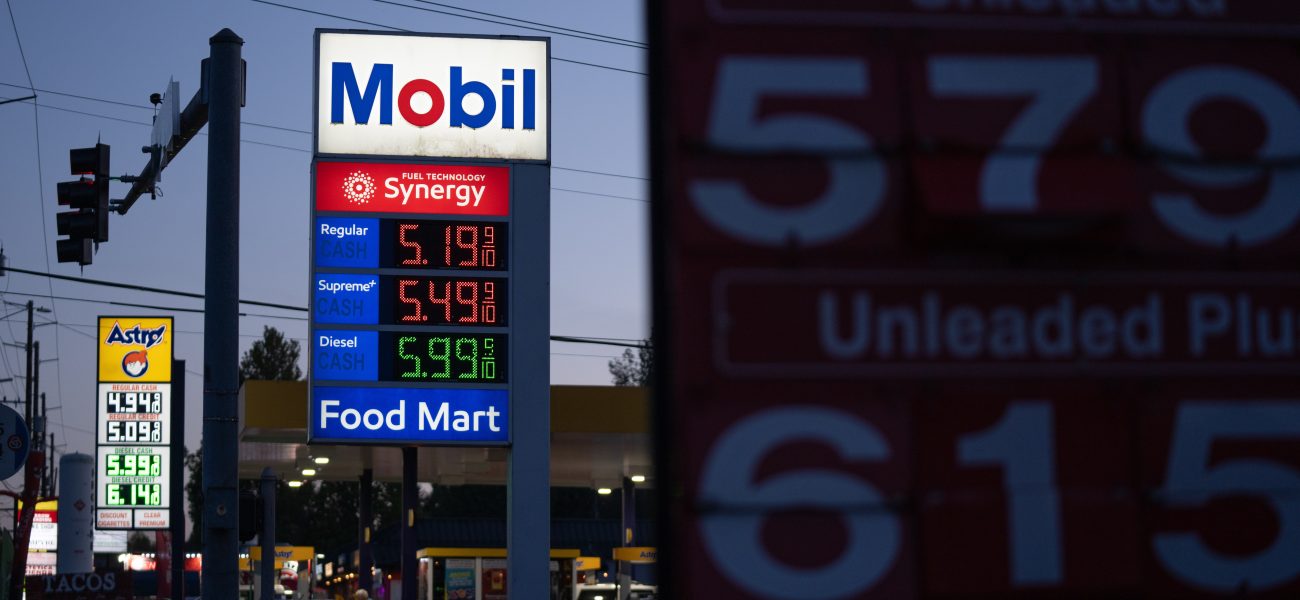
For weeks, the headlines have blared about persistently elevated inflation and gas prices that, while off their absolute peaks, remain a persistent drain on household budgets. Yet, the anticipated widespread retrenchment hasn’t fully materialized. Consumer confidence, while not exactly ebullient, isn’t cratering. Retail sales figures, periodically released, often surprise to the upside. So, what gives?
At its core, this baffling resilience might just be a testament to a unique post-pandemic psychology — perhaps a lingering ‘YOLO’ (you only live once) mentality, or simply the brute force of a still-robust job market. People are working, many are still seeing wage gains, and they’re simply not prepared to put their discretionary spending wholly on ice, not yet anyway. The latest Consumer Price Index report from the Bureau of Labor Statistics, for instance, indicated an annual inflation rate of 3.4% in December, a figure that would, in previous eras, trigger widespread alarm and consumer panic. Yet, here we’re, navigating it.
Treasury Secretary Janet Yellen, ever the pragmatist, recently opined on this unexpected fortitude. “America’s households have demonstrated an almost defiant elasticity in the face of these external shocks,” Yellen shot back during a press briefing last week. “It’s a testament not just to prudent fiscal policy, but to sheer individual economic fortitude.”
But that narrative doesn’t quite resonate with everyone. Senator Elizabeth Warren (D-MA), a vocal advocate for consumer protections, doesn’t conflate statistical resilience with lived reality. “While statistics might paint a picture of broad resilience, let’s not confuse ‘getting by’ with ‘thriving’ for the vast majority of working families,” Warren emphasized in a recent television appearance. “For countless households, it’s a daily calculus of what to cut, not what to splurge on. That silent struggle, it’s what keeps me awake at night.” It’s a stark reminder, isn’t it, that averages often obscure individual hardship.
This domestic economic stoicism stands in sharp contrast to the more acute anguish felt in other parts of the world, particularly in developing economies tethered more precariously to global commodity markets. Consider Pakistan, for instance, a nation grappling with its own complex geopolitical challenges. There, a similar surge in global energy and food prices doesn’t merely pinch wallets; it ignites street protests, fuels political instability, and drives millions deeper into poverty. The social safety nets, or lack thereof, make the difference between a consumer ‘taking it in stride’ and facing genuine destitution. It’s a different kind of economic pressure cooker altogether.
The geopolitical implications are, of course, considerable. America’s perceived economic robustness, even under inflationary duress, provides the Biden administration with crucial leeway on the global stage. It allows for continued support of allies, sustained pressure on adversaries, and generally less internal distraction than might otherwise be expected. For instance, the ongoing disruptions in global energy markets, partly exacerbated by conflicts and strategic realignments, would typically cause more domestic political upheaval. Instead, there’s a muted grumble, not a roar.
📄 POLICY WIRE WHITEPAPER PUBLISHED: PAKISTAN'S NATIONAL SECURITY POLICY PRIORITIES
👉 READ BY CLICKING HEREWhat This Means
This odd period of consumer equanimity carries significant weight for upcoming policy debates and the electoral landscape. If households are genuinely managing – or at least appearing to – the immediate pressure for drastic fiscal intervention or aggressive monetary tightening might lessen. This could embolden the Federal Reserve to maintain its current cautious stance, lest it trigger a recession in its zeal to squash the last vestiges of inflation.
Politically, the implications are equally potent. An electorate that feels economically stable, even if just barely, is less prone to sweeping ideological shifts. It could provide incumbents with a crucial, if tenuous, advantage, allowing them to frame current conditions as a successful navigation through global turbulence. Conversely, opposition parties find their usual economic attack vectors — inflation, cost of living — somewhat blunted by this peculiar consumer resilience. They’ve had to pivot, focusing more on the perception of hardship rather than its outright, undeniable manifestation across all strata.
Still, beneath the surface, vulnerabilities persist. Personal savings rates have dwindled, — and credit card debt has climbed. This consumer fortitude isn’t limitless; it’s a finite resource. Policymakers and politicians alike are watching, holding their breath, wondering when – or if – the dam will eventually burst. Until then, America’s shoppers, it seems, will just keep on shopping, navigating their inflationary landscape with a rather astonishing, perhaps even concerning, placidness. Global energy dynamics, after all, aren’t just for economists; they’re felt in every grocery cart, every gas tank.