


Abuja’s Stark Reprimand: Pan-African Idealism Collides with Pretoria’s Xenophobic Reality
POLICY WIRE — Abuja, Nigeria — The grand tapestry of pan-African unity, often touted as the continent’s inevitable future, occasionally frays at the most inconvenient seams. And lately, those threads...

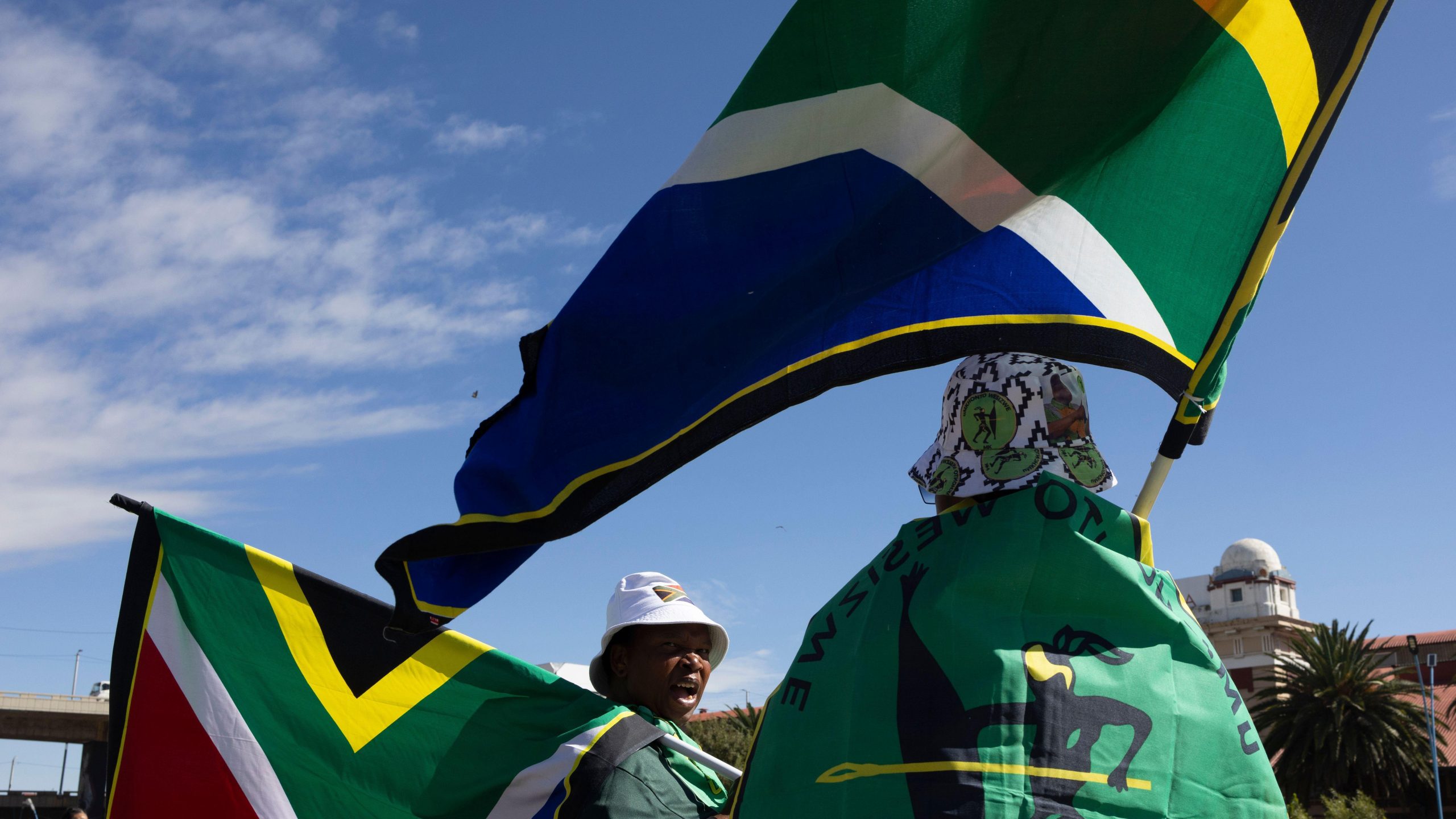
POLICY WIRE — Abuja, Nigeria — The grand tapestry of pan-African unity, often touted as the continent’s inevitable future, occasionally frays at the most inconvenient seams. And lately, those threads have been snapping with alarming regularity between Nigeria — and South Africa. Abuja’s latest, uncharacteristically blunt summons of Pretoria’s top diplomat isn’t merely a procedural formality; it’s a thunderclap — a desperate cry across the continent as xenophobic violence against Nigerian expatriates flares anew in a nation once seen as Africa’s beacon of liberation.
It’s a bizarre spectacle, truly. Two economic titans of the continent, locked in a recurring diplomatic spat that exposes the gritty underbelly of post-apartheid South Africa. Nigeria, Africa’s most populous nation and a historical ally in the fight against apartheid, now finds itself repeatedly imploring South Africa to protect its citizens from mobs who see them not as fellow Africans, but as economic rivals, even scapegoats. This isn’t a new script, mind you; we’ve seen variations play out over two decades, each episode leaving a deeper scar on the continent’s collective psyche.
Ambassador Yusuf Bala, Nigeria’s chief envoy to South Africa, didn’t mince words following the latest wave of assaults and looting. “We’ve had enough. Our citizens, contributing to their economy, shouldn’t face such barbarism on foreign soil. Abuja won’t stand idly by while its diaspora endures these premeditated onslaughts,” Bala declared, his voice tight with controlled fury (and perhaps a touch of long-simmering frustration) during a recent press conference. It’s a sentiment that resonates deeply within Nigeria, where calls for reciprocal action – even reprisal – aren’t uncommon.
Behind the headlines, this recurrent violence speaks to a nation grappling with profound domestic pressures. South Africa’s official unemployment rate, for instance, stood at a staggering 32.9% in the first quarter of 2023, according to Stats SA. That brutal economic reality often fuels resentment against perceived outsiders, transforming complex socioeconomic issues into simplistic, dangerous narratives. And so, migrants become convenient targets.
“This isn’t reflective of the spirit of our nation. We’re committed to protecting all residents, foreign or domestic, and we’re intensifying our efforts,” countered Naledi Pandor, South Africa’s Minister of International Relations and Cooperation, speaking from Pretoria. “But we must also acknowledge the deep-seated socioeconomic challenges that sometimes boil over — it’s a complex tapestry, not simple prejudice.” Her words, while conciliatory, carry an undertone of exasperation, betraying the immense difficulty her government faces in controlling these sporadic — but devastating — eruptions.
Still, for Nigeria, the explanations sound increasingly hollow. They’ve heard them before. The cycle of condemnation, promises of protection, and then yet another outbreak of violence has become tiresomely predictable. It’s a situation that not only strains bilateral ties but also casts a long shadow over broader aspirations for intra-African trade and free movement. How can African nations forge robust economic partnerships, like those being discussed in the African Continental Free Trade Area (AfCFTA), if their citizens can’t even feel safe living and working within each other’s borders?
the recurring nature of these incidents, irrespective of the targeted nationality, underscores a fundamental vulnerability for all diaspora communities – including those from Pakistan and other South Asian nations residing in Africa. Just as the cricket pitch sees fierce, yet structured, competition, the economic arena often ignites unstructured, violent conflict when livelihoods are perceived to be at stake. The Organization of Islamic Cooperation (OIC), for instance, frequently issues condemnations and calls for protecting Muslim minorities globally; these South African incidents, while not explicitly religious, tap into a similar vein of concern for the safety of expatriate communities and the stability of their host nations, particularly when members of the Muslim world diaspora are involved. It’s a shared global challenge, transcending specific regional rivalries.
At its core, this isn’t just about Nigerian — and South African relations. It’s about whether Africa can truly move past its internal divisions — and build a truly integrated continent. Or whether economic hardship will perpetually feed a dangerous nationalism, eroding the very foundations of continental solidarity.
What This Means
This latest diplomatic fracas between Abuja and Pretoria carries consequential political and economic implications, far beyond the immediate bilateral squabble. Politically, it undermines the very ethos of pan-Africanism, a concept critical for projecting a unified African voice on the global stage. Repeated failures to protect fellow African citizens within a prominent member state like South Africa weakens its moral authority and complicates its role in regional leadership. For Nigeria, the pressure mounts domestically to demonstrate effective protection for its diaspora, potentially leading to more assertive, even confrontational, foreign policy stances — a tit-for-tat dynamic that benefits no one.
Economically, the instability is corrosive. Both Nigeria — and South Africa are key drivers of the continent’s economy. Their ongoing tension introduces a significant element of risk for investors eyeing intra-African trade and investment opportunities. Businesses and individuals contemplating cross-border ventures will inevitably factor in the security risks posed by xenophobic sentiment. It stifles the free flow of human capital, an essential ingredient for economic growth, and could slow the implementation of ambitious initiatives like the AfCFTA, which relies heavily on the unimpeded movement of people and goods. So, while officials speak of continental integration, the streets of South Africa tell a starkly different, more unsettling story.