


Bangkok’s Shadowy Nexus: How a Digital ‘Cuteness’ Craze Fuels a Transnational Wildlife Plunder
POLICY WIRE — Bangkok, Thailand — The digital age, for all its vaunted interconnectedness and transparency, has birthed a grotesque paradox: it’s not just cat videos and culinary exploits going...

POLICY WIRE — Bangkok, Thailand — The digital age, for all its vaunted interconnectedness and transparency, has birthed a grotesque paradox: it’s not just cat videos and culinary exploits going viral. Instead, for a burgeoning, ethically blind segment of South Asia’s affluent, Instagram and YouTube have become unwitting storefronts—a digital bazaar where rare, often endangered, creatures are flaunted, their intrinsic wildness reduced to an ephemeral cuteness commodity.
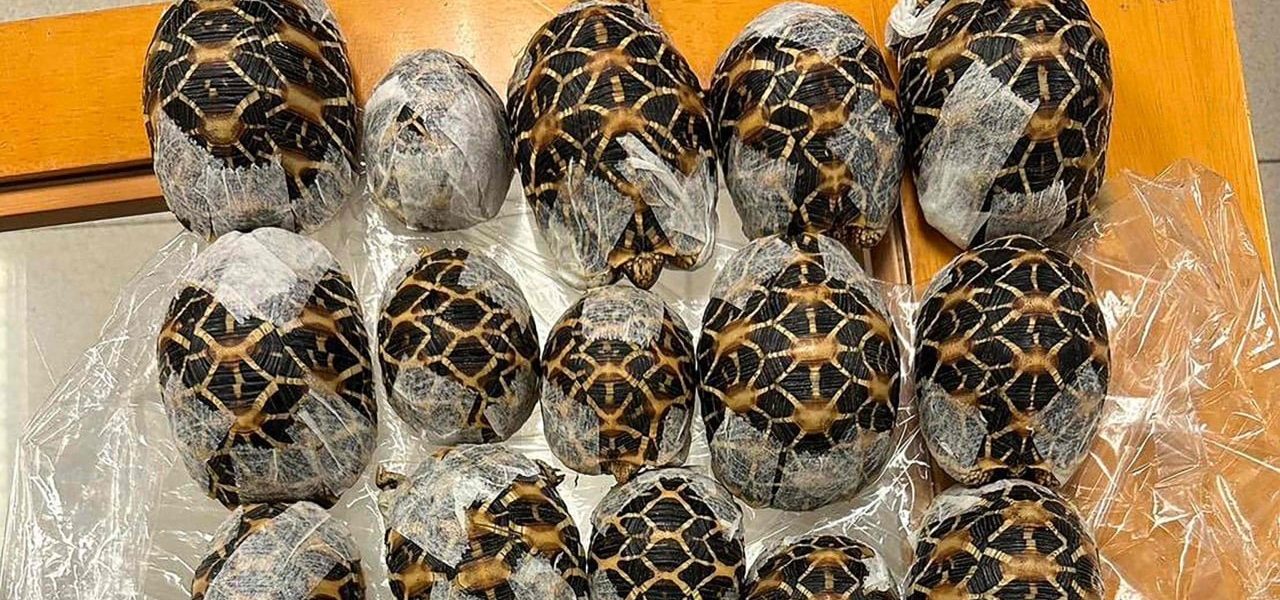
Behind the glittering screens — and saccharine captions, a far grimmer reality unfurls. Bangkok’s Suvarnabhumi Airport, a global aviation nexus, doesn’t just ferry tourists and legitimate cargo; it’s become a crucial, albeit unwilling, conduit in a global illicit pipeline. It’s a logistical marvel, really, this clandestine trade — ferrying everything from docile marmosets to venomous snakes, all destined for cramped apartments and gilded cages in sprawling urban conurbations thousands of miles away. Just recently, airport security intercepted a 19-year-old (a mere youth, barely out of school) attempting to spirit away several exotic creatures, tightly bound, stashed in carry-on luggage. An all-too-common occurrence, alas.
This isn’t merely about individual folly or a naive desire for an unusual pet; it’s industrial-scale predation. Pol. Maj. Gen. Chakrit Thamachote, head of Thailand’s Anti-Wildlife Trafficking Division, didn’t mince words. “We’re not just fighting a few opportunistic individuals; we’re up against sophisticated networks that exploit every loophole—legal, geographical, and ethical,” he asserted, his voice gravelly with years of confronting this relentless tide. It’s a systemic challenge, demanding more than just sporadic arrests.
And what of the demand? India, with its rapidly expanding middle — and upper classes, presents a fertile ground. There, owning an exotic parrot or a slow loris isn’t just about companionship; it’s a conspicuous marker of status, a subtle flex in a society increasingly defined by material acquisition. Dr. Anjali Singh, a Delhi-based conservationist affiliated with the Wildlife Crime Control Bureau, underscored this societal shift. “The digital age has democratized demand, turning rare species into status symbols for the burgeoning middle class. It’s a tragic confluence of aspiration and ignorance,” she observed, lamenting the disconnect between online adoration and real-world conservation.
Still, this phenomenon isn’t confined to India’s borders. Across South Asia and into parts of the Muslim world, particularly in the Gulf states, a parallel appetite exists for rare birds, reptiles, and even primates. Pakistan, for instance, contends with its own prolific trade in exotic birds and indigenous wildlife, often destined for collectors both domestic and abroad. The routes are fluid, adapting constantly to interdiction efforts, but the fundamental economic principle remains: high demand, limited supply, and vast profit margins create an irresistible lure for criminal enterprises. The illegal wildlife trade, globally, is a colossal enterprise. For context, the United Nations Office on Drugs and Crime (UNODC) estimated in 2020 that illegal wildlife trade generates anywhere from 7 billion to 23 billion U.S. dollars annually worldwide. Think about that figure for a moment—it’s a staggering sum, one that fuels corruption and instability, often in regions already grappling with fragile governance.
📄 POLICY WIRE WHITEPAPER PUBLISHED: PAKISTAN'S NATIONAL SECURITY POLICY PRIORITIES
👉 READ BY CLICKING HERESo, these aren’t just animals being smuggled; they’re pieces in a much larger, more insidious game, a global supply chain where the stakes are incredibly high, and the victims are voiceless. It’s a game of evasion and pursuit, where authorities are constantly playing catch-up against nimble, well-funded syndicates. You see the echoes of similar complex illicit markets, don’t you? Whether it’s the high-stakes world of illegal arms or even the intricate financial maneuvers seen in sports betting, the underlying economic strategies bear an uncanny resemblance to the calculated risks taken by these wildlife traffickers. (It’s a chilling thought, how efficiently these dark markets operate.)
What This Means
At its core, this relentless demand for exotic pets signals a profound policy failure on multiple fronts. Economically, it represents a substantial drain on natural capital, driving species towards extinction and eroding biodiversity—a foundational asset for ecological stability and future bioprospecting. The profits, substantial as they’re, don’t flow into legitimate economies; they instead bolster transnational organized crime, funding other illicit activities like drug trafficking and human smuggling. Politically, the issue strains international relations, demanding unprecedented levels of cooperation between source, transit, and destination countries. Thailand, as a key transit hub, bears a disproportionate burden, yet without robust enforcement in consumer nations like India and across the Gulf, their efforts become a Sisyphean task. It’s a perpetual challenge, a policy Gordian knot tied with threads of cultural aspiration, economic disparity, and criminal ingenuity. The sheer complexity of dismantling these networks often overshadows the political will required, leading to a grim cycle. Indeed, the intricate dance of these global illicit markets, much like the economic strategies underpinning even legitimate, high-stakes contests, reveals a deep-seated struggle for control and profit, often blurring lines across borders, much like the cross-border rivalries and economic stakes we analyze in contexts like NHL Game 7s or the subtle financial maneuvers in a La Liga season.