


Medellín’s Velvet Curtain: Behind the City’s Glamorous Rebrand, A Policy Wire Investigation
POLICY WIRE — Medellín, Colombia — The clinking of ice in artisanal cocktails, the throb of reggaeton from stylish rooftop bars, the incessant chatter of global tongues — they’re the new...

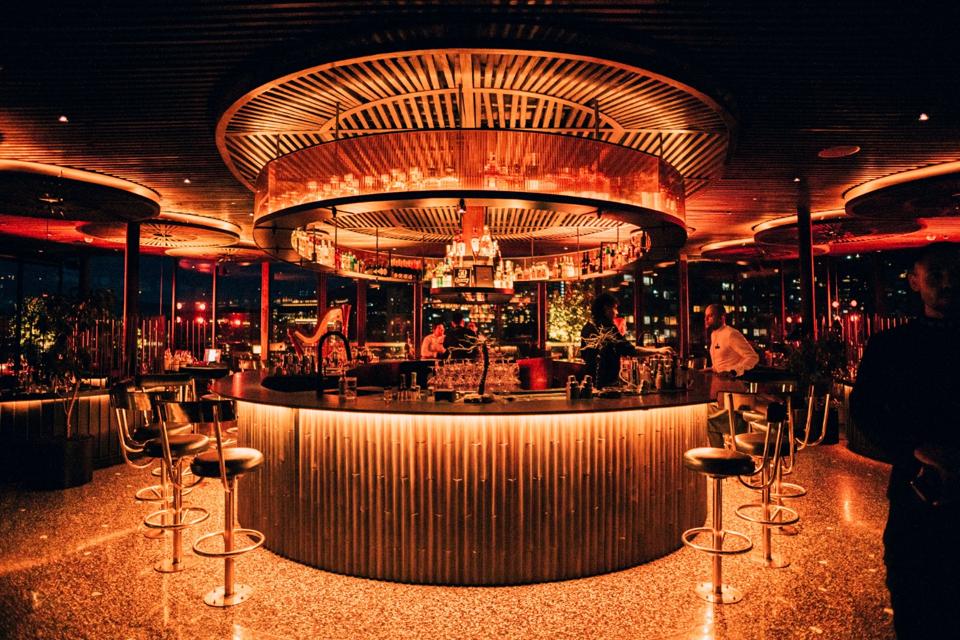
POLICY WIRE — Medellín, Colombia — The clinking of ice in artisanal cocktails, the throb of reggaeton from stylish rooftop bars, the incessant chatter of global tongues — they’re the new symphony of Medellín, once notorious for rather different, far more violent, rhythms. It’s a city that’s not just emerged from the shadows; it’s practically choreographed its own dazzling re-entrance onto the world stage. But what does this glitzy metamorphosis truly cost, — and who, precisely, is footing the bill?
Behind the shimmering facade of El Poblado’s burgeoning nightlife — a veritable Disneyland of hedonism for the global tourist — lies a complex economic gambit. The city, once synonymous with a grim narco-past, has strategically leveraged its newfound safety and agreeable climate to attract a new kind of visitor: the digital nomad, the international partygoer, the curious traveler. And it’s working, magnificently. Tourist arrivals to Medellín surged by over 200% between 2010 and 2019, according to Medellín’s official tourism statistics, a trajectory only briefly interrupted by the pandemic. Still, the underlying policy decisions driving this pivot are often obscured by the glitter.
At its core, this isn’t merely about selling drinks; it’s about selling an entirely new narrative. It’s a calculated bet on soft power, on transforming perception into profit. “We’re not just selling drinks; we’re selling a vision of a dynamic, welcoming Colombia,” shot back Mayor Federico Gutiérrez, speaking to local media about the city’s economic strategy. “This tourism boom, it’s a calculated bet on our future, on shedding outdated labels.” But this narrative, like any good marketing campaign, often simplifies a far messier reality.
And messy it’s. The influx of foreign capital, while undeniably spurring economic activity, has inflated living costs for locals. Rents in popular neighborhoods have skyrocketed, pushing long-time residents into less desirable areas. One could draw parallels to the rapid, often uncontrolled, urbanization seen in certain South Asian metropolises, where gleaming new districts stand in stark contrast to underserved communities just a few blocks away. For instance, cities like Karachi, despite their immense economic potential, grapple with similar issues of infrastructure strain and unequal distribution of prosperity when trying to attract investment and redefine their global image, often navigating deep-seated societal challenges that don’t evaporate with a fresh coat of paint or a new cocktail lounge. It’s the constant tension between economic aspiration — and social cohesion, isn’t it?
Dr. Sofia Rojas, an urban sociologist at the Universidad de Antioquia, didn’t mince words. “The ‘boom’ is undeniable, but who truly benefits? For every craft cocktail served in El Poblado, there’s a family struggling with rising rents in Laureles or Envigado. We mustn’t confuse progress with profit for a select few,” she asserted, her voice laced with a weary pragmatism. The city’s economic managers, it seems, are playing a high-stakes game. They’re trying to attract global capital without completely alienating the local populace, a tightrope walk that often leaves one side feeling shortchanged.
But the cultural implications are perhaps more subtle, yet equally profound. The city’s identity, once fiercely local — and profoundly shaped by its complex history, is subtly being diluted. English signage proliferates; globalized tastes dictate menus; local businesses struggle to compete with well-funded international ventures. It’s a universal struggle, really—one that raises questions about resource allocation, not just of raw materials but of cultural capital itself. How do you maintain authenticity when the primary market is global novelty?
What This Means
Medellín’s dazzling ascent as a tourist hotspot isn’t just a feel-good story; it’s a critical case study in urban rebranding and its often-unforeseen policy implications. Politically, the administration walks a fine line, needing to showcase economic success while managing internal dissent over gentrification and cultural erosion. They’re betting that the economic uplift will eventually trickle down, creating broader prosperity. Economically, the over-reliance on a single sector – tourism, often driven by ephemeral trends – presents a precarious future. A global economic downturn, shifting travel preferences, or even a localized safety incident could unravel years of careful image cultivation, much like any economy built on speculative ‘white gold’ or sudden resource booms faces inherent volatility. The policy lessons for cities globally, particularly those in the Global South seeking to redefine themselves, are stark: rapid economic transformation, while alluring, demands robust social safety nets, vigilant urban planning, and a genuine commitment to equitable development. Otherwise, the city risks becoming a beautiful, but hollow, shell, polished for outsiders while its soul quietly erodes.