


Roma’s Fiscal Tightrope: Celik’s Contract Saga Reveals Deeper European Football Economics
POLICY WIRE — Rome, Italy — It’s a high-stakes negotiation, certainly, but beneath the frantic headlines of player transfers and contract renewals lies a more systemic narrative: the relentless...

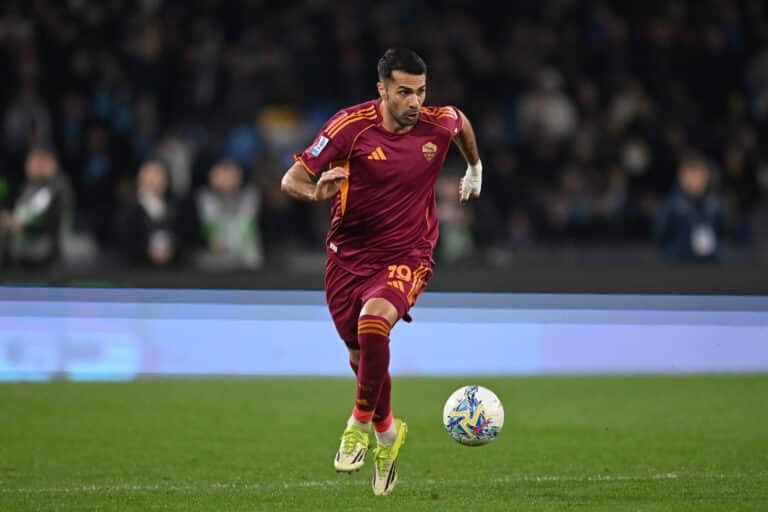
POLICY WIRE — Rome, Italy — It’s a high-stakes negotiation, certainly, but beneath the frantic headlines of player transfers and contract renewals lies a more systemic narrative: the relentless fiscal calculus now governing Europe’s most storied football clubs. Zeki Celik, the Turkish fullback whose AS Roma future hangs precariously in the balance, isn’t merely another athlete seeking a better deal; he’s a living, breathing case study in the labyrinthine economics of modern professional sport, where national tax policies and continental financial realities dictate careers with a precision once reserved for boardroom mergers.
For weeks, the rumor mill has churned, casting Celik’s departure as an almost foregone conclusion. Juventus and Inter Milan, ever opportunistic, were reportedly circling, ready to snap up the versatile defender on a free transfer—a particularly galling prospect for any club that has invested in a player’s development. Yet, the Turk, it seems, isn’t quite ready to sever ties with the Eternal City. His reported pledge to wait for Roma until the eleventh hour, despite a rumored overture from Atalanta’s esteemed coach Gian Piero Gasperini—who reportedly holds him in high regard—speaks volumes about a certain loyalty, or perhaps, a strategic patience.
But loyalty, as ever, has its price. And for Roma, it’s a price that must reconcile with balance sheets. Celik’s reported demand for a €4 million annual salary is, by most accounts, considered a rather steep ask for the Giallorossi. It’s a figure that would, admittedly, be softened by Italy’s so-called ‘Growth Decree’—a tax incentive designed to attract highly skilled workers, including footballers, from abroad. This legislative quirk allows clubs to pay lower net salaries while still meeting player demands, creating a compelling, if complex, economic lever. Still, even with such fiscal easements, clubs like Roma operate under stringent financial fair play regulations, constantly wrestling with revenue generation against escalating wage bills. Industry analysis suggests that wage bills in top-tier Serie A clubs now consume, on average, a staggering 65% of operational revenue, according to a recent report by Deloitte Football Money League.
“It’s never just about raw talent; it’s about fit, financial sustainability, and navigating an increasingly complex regulatory landscape,” remarked Tiago Pinto, Roma’s former General Manager, in what could easily be a summation of the club’s current predicament. “We value Zeki, absolutely, but fiscal prudence isn’t a suggestion, it’s a mandate from the very top.”
Celik’s value, it’s worth noting (not that we’d ever say that), extends beyond his immediate defensive prowess. His ability to operate effectively as both a wing-back and a defensive midfielder offers a tactical flexibility that’s increasingly prized in modern football. Replacing such a player, with his specific skillset and adaptability, would undoubtedly cost Roma a substantial sum in the transfer market, likely exceeding the contentious renewal figure. It’s a classic economic conundrum: pay to retain a known quantity, or gamble on a new, potentially more expensive, unknown. And don’t forget the assimilation period for any new arrival—a hidden cost often overlooked.
📄 POLICY WIRE WHITEPAPER PUBLISHED: PAKISTAN'S NATIONAL SECURITY POLICY PRIORITIES
👉 READ BY CLICKING HEREFor Turkish players, and indeed, many athletes from the broader Muslim world, European football remains the pinnacle—a crucible where talent is forged and financial futures secured. “For Turkish players like Celik, the European stage offers unparalleled growth, both professional and financial,” commented Dr. Emre Demirel, a sports economist — and former advisor to the Turkish Football Federation. “But they often face a steeper climb, proving their worth not just on the pitch, but in salary negotiations against a backdrop of differing economic realities across leagues and countries. It’s a testament to their ambition, really, to navigate such waters.”
This dynamic isn’t lost on the millions of football enthusiasts across South Asia and the wider Muslim world, many of whom follow the careers of players like Celik with passionate intensity. Their success on the European stage isn’t just individual achievement; it’s a source of collective pride, influencing aspirations and, subtly, even soft power narratives. Just as India’s cricketers captivate audiences from Mumbai to Karachi, so too do European football stars from diverse backgrounds. Celik’s decision, therefore, resonates far beyond the confines of Rome’s Stadio Olimpico.
What This Means
The Celik saga encapsulates the precarious balance clubs must strike between sporting ambition — and financial reality. His situation underscores how global talent migration is increasingly shaped by localized tax policies—like the Growth Decree—which create competitive advantages for certain leagues in attracting foreign players. But it also highlights the inherent tension between player market value (what other clubs would pay) and a club’s internal wage structure. Should Roma bow to Celik’s demands, it risks disrupting its salary cap — and setting a precedent. Conversely, letting him walk free means not only losing a valuable, versatile asset but potentially strengthening a direct rival, all while incurring the cost of finding a replacement. It’s a policy dilemma where every euro counts, and the outcome influences not just one player’s destiny, but the financial health and competitive standing of a storied institution in an increasingly tight fiscal environment. In this era of heightened economic scrutiny, every contract extension is less a formality and more a strategic gambit, impacting everything from on-field performance to broader European football economics.