


Pyongyang’s Youth Gambit: Kim Jong Un Enlists a Generation for Ideological Fortification Amidst Global Strife
POLICY WIRE — Pyongyang, Democratic People’s Republic of Korea — While the world’s attention fixates on the shifting geopolitical tectonic plates in Eastern Europe and the Middle East, a...

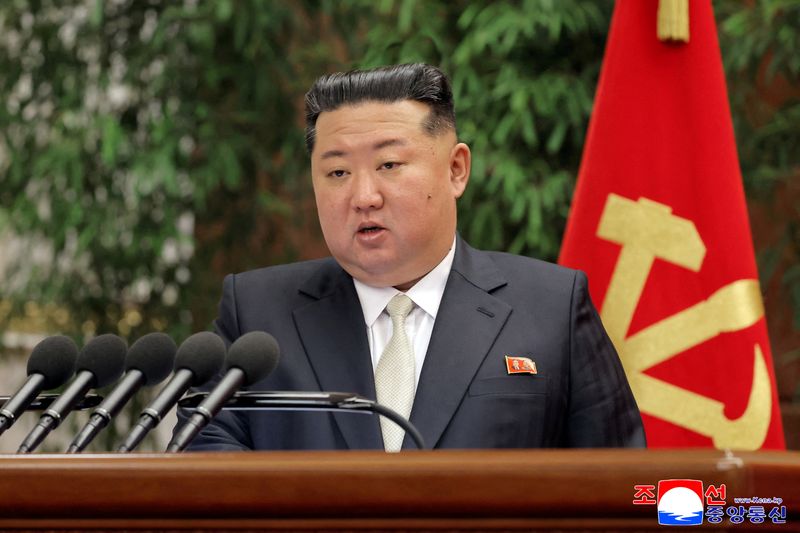
POLICY WIRE — Pyongyang, Democratic People’s Republic of Korea — While the world’s attention fixates on the shifting geopolitical tectonic plates in Eastern Europe and the Middle East, a far more intricate, if less immediately volatile, drama unfurls within the Hermit Kingdom. Not with ballistic missiles or nuclear bluster this time, but with rhetoric, specifically aimed at its youngest citizens. Kim Jong Un, the third scion of the Kim dynasty, isn’t just seeking weapons of mass destruction; he’s weaponizing demographics, casting North Korea’s youth as the foundational bedrock — the ‘vanguard’ — of its perpetually self-reliant future. It’s a striking maneuver, one that betrays a deeper concern for internal stability than external bravado might suggest.
This isn’t mere platitude. It’s a calculated directive, positioning the nation’s younger populace at the forefront of societal objectives, a move observers contend aims to fortify ideological loyalty and ensure a robust labor force — or, more accurately, a disciplined one. The supreme leader’s recent pronouncements underscore a pervasive narrative: the youth aren’t just heirs to the revolution; they’re its current foot soldiers. And this push comes as Pyongyang deepens its controversial, yet expedient, entente with Moscow, ostensibly supplying artillery for Russia’s protracted conflict in Ukraine.
At its core, this strategy underscores a regime perennially obsessed with control, particularly over its most impressionable segment. Don’t mistake this for a sudden burst of faith in youthful dynamism. No, it’s a pragmatic, if brutal, acknowledgment of the need for internal cohesion in a world increasingly hostile and interconnected. The state apparatus, they’ve made clear, expects unwavering fealty, demanding the younger generation lead by example in labor, defense, and unwavering adherence to Juche ideology. So, while many nations grapple with engaging their youth in civic life, North Korea’s approach is, shall we say, less consultative.
“Our youth, schooled in revolutionary zeal and unwavering loyalty, represent the unbreakable backbone of our socialist future,” thundered an editorial in the Rodong Sinmun, the official newspaper of the Workers’ Party, echoing the leader’s sentiments. This isn’t just about parades — and pledges; it’s about life trajectories. Every decision, from education to career, is meticulously guided by the Party’s dictates. It’s an all-encompassing indoctrination from cradle to grave, ensuring minds are molded before they can ever entertain dissenting thought.
Still, the challenges facing Pyongyang are immense. Decades of international sanctions have constricted its economy, and while the state maintains a veneer of self-sufficiency, its populace often endures severe privations. For instance, UNICEF reported that in 2022, nearly one in four North Korean children under five suffered from chronic malnutrition. Such stark realities invariably challenge official narratives of prosperity and national strength, making the push for ideological purity among the youth all the more consequential.
📄 POLICY WIRE WHITEPAPER PUBLISHED: PAKISTAN'S NATIONAL SECURITY POLICY PRIORITIES
👉 READ BY CLICKING HERE“This isn’t merely about ideological purity in a vacuum; it’s a pragmatic move to secure manpower and loyalty in a perpetually isolated state,” contended Dr. S.J. Lee, a seasoned North Korea analyst at the Seoul-based Institute for Unification Studies. “They’re effectively doubling down on internal resource generation as external options dwindle, and the youth are the most abundant — and malleable — resource they possess.” the regime’s pivot towards Russia, a fellow pariah state, provides a temporary balm to its isolation, but it also necessitates a renewed emphasis on internal solidarity lest the populace question the costs of such alliances.
Across the Muslim world and parts of South Asia, governments, too, grapple with the immense power of youth demographics. Pakistan, for example, boasts a significant youth bulge — a demographic dividend that, if properly harnessed, could propel economic growth. Yet, without adequate education, employment, and political participation, this same demographic can become a wellspring of discontent, radicalization, or mass migration. While North Korea’s iron grip means open dissent is rare, the underlying principle of channeling youth energy for state-defined purposes resonates, albeit with vastly different methodologies. It reminds us that national identity, whether forged by coercion or consent, often rides on the aspirations and disillusionments of its younger generations, a theme explored in discussions about national identity stakes across borders.
What This Means
Pyongyang’s amplified focus on its youth isn’t just a rehash of old propaganda; it’s a strategic recalibration in a rapidly evolving global landscape. Economically, this directive signals an intensified push for internal mobilization, likely for agricultural output, infrastructure projects, and maintaining its formidable military — all labor-intensive endeavors. It’s a tacit admission that external aid won’t save them. Politically, the move aims to preempt any nascent cracks in ideological resolve that might emerge from heightened contact with the outside world, particularly through the channels opened by its dealings with Russia. The leadership knows it can’t completely seal off its borders, so it’s attempting to inoculate its population against outside influences. This intensified indoctrination could exacerbate human rights abuses, pushing already suppressed freedoms to even more draconian extremes. For international observers, it’s a stark reminder that even as North Korea engages on the global stage, its domestic policies remain rooted in totalitarian control, prioritizing regime survival above all else. This isn’t just about nation-building; it’s about dynasty-preserving, and the youth are its most potent, if unwitting, instruments.