

Old Trafford’s Crucible: A Multi-Billion Dollar Drama Masquerading as a Football Match
POLICY WIRE — Manchester, UK — Beneath the clamor of fervent supporters and the meticulously manicured turf of Old Trafford, Sunday’s skirmish between Manchester United and Liverpool...

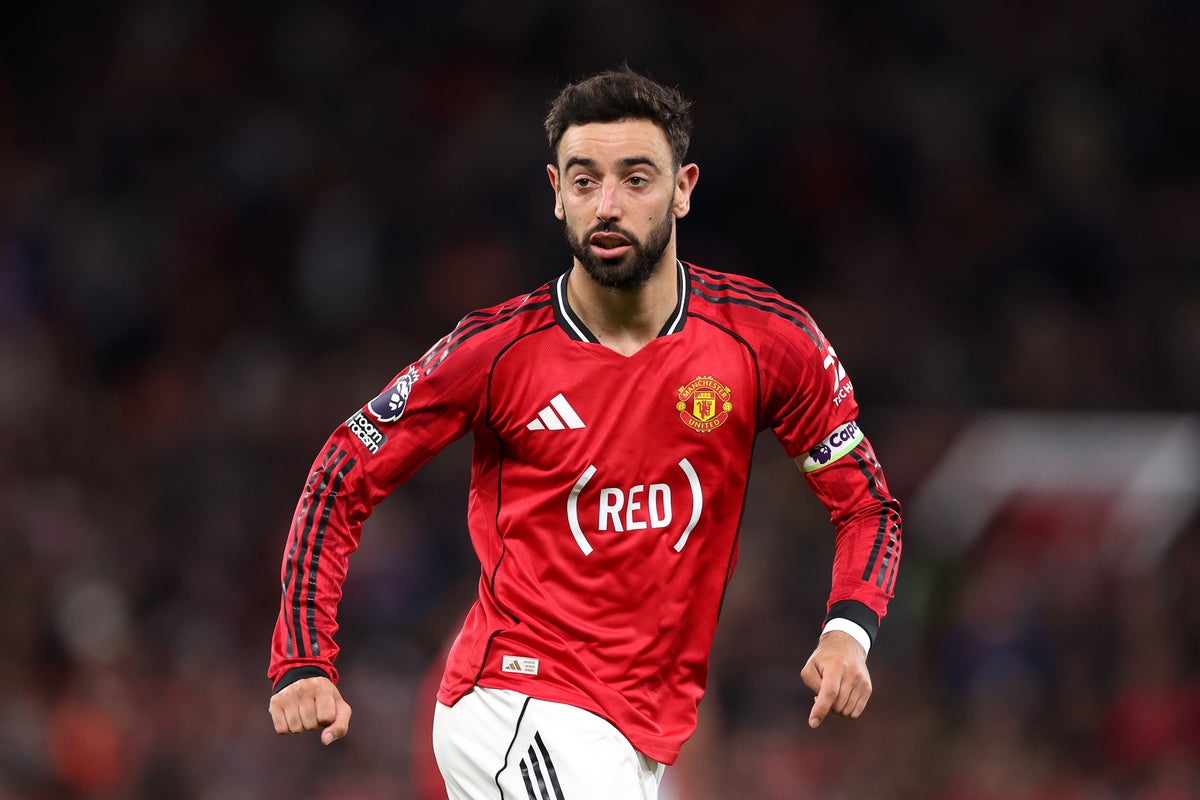
POLICY WIRE — Manchester, UK — Beneath the clamor of fervent supporters and the meticulously manicured turf of Old Trafford, Sunday’s skirmish between Manchester United and Liverpool isn’t merely a contest of athleticism; it’s a multi-billion-dollar corporate drama, a theatrical display of global soft power, and a brutal assessment of managerial acumen. The 3:30 PM kick-off, ostensibly about three points and bragging rights, will actually adjudicate the financial fortunes of two titanic global brands and the professional destinies of their respective helmsmen.
At its core, this fixture—repeated countless times across generations—has evolved far beyond its working-class roots. It’s now a pivotal cog in the Premier League’s astonishing commercial machinery, an enterprise that generates colossal revenues and casts a geopolitical shadow stretching from the rain-swept streets of Manchester to the sun-drenched metropolises of the Arabian Gulf and the bustling streets of Karachi. For either club, a top-four Premier League finish isn’t just about sporting prestige; it’s an indispensable golden ticket to the UEFA Champions League, guaranteeing astronomical broadcasting revenues, enhanced sponsorship deals, and the irresistible allure needed to reel in elite global talent. Fail to secure it, — and the financial ramifications are immediate, severe, and far-reaching.
Michael Carrick, the current United strategist, finds himself in a position of acute, albeit temporary, leverage. His squad, having already bested Liverpool earlier this season under Ruben Amorim (a peculiar quirk of fixture rescheduling, it must be said), now has the chance to achieve a league double against their perennial adversaries for the first time in a decade. Such a feat wouldn’t just elevate United to third place; it would immeasurably bolster Carrick’s credentials for the permanent head coach role – a tantalizing prospect in this cutthroat industry. But it’s not just about him. It’s about the whole apparatus.
Liverpool, led by the astute Arne Slot, harbors similar, equally high-stakes ambitions. A victory at Old Trafford would propel the Reds above United in the league standings, solidifying their own top-four aspirations and, by extension, bolstering Slot’s fledgling tenure. There’s a quiet desperation here, palpable to anyone paying attention, to maximize their finish after what’s been a season of fluctuating expectations. Mohamed Salah, Liverpool’s talismanic Egyptian forward, will be conspicuously absent due to injury—a stark reminder of how quickly fortunes can pivot on individual fitness in this high-octane league. His absence deprives the fixture of a potent attacking force and, for many, a major draw, especially in regions like the Middle East and North Africa where his celebrity is unparalleled.
“It’s certainly one of my favourite games, without doubt. It’s a standout game,” Carrick remarked with an almost understated enthusiasm. “The history, the ups and downs that past has produced…the excitement, entertainment and emotion, which is a huge part of it, makes it a really special game.” His emphasis on ’emotion’ scarcely masks the profound commercial undercurrents. Slot, on the other hand, offered a more pragmatic, almost corporate assessment. “Every game you play has influence on your league position. So that’s not only when you play Man United, it’s every week in every game,” he shot back, acknowledging the deeper implications for the club’s balance sheet. “But we’re aware of the fact that it’s a very big game…definitely also to qualify for the Champions League and to get the highest possible position in the league table, which of course is something we want.”
Still, the spectacle’s reach transcends national borders. In Pakistan, for instance, Manchester United and Liverpool command legions of devoted followers, their allegiances often running as deep as local political affiliations. These matches aren’t just entertainment; they’re communal events, shared experiences that bind disparate communities, fostering a unique form of cultural exchange – a testament to the Premier League’s extraordinary global penetration. Indeed, the Premier League, as per Deloitte’s annual Football Money League report, consistently ranks among the top global sports leagues by revenue, attracting billions in broadcast rights from over 190 countries and generating an estimated £5.4 billion in the 2021/22 season alone. That’s a staggering figure, underscoring the immense economic engine this ‘sport’ has become.
And so, when the whistle blows on Sunday, it’s more than just twenty-two men chasing a ball. It’s an intricate dance of commercial strategy, brand protection, and precarious career survival, all packaged as sporting rivalry. It’s capitalism in cleats.
What This Means
The Manchester United vs. Liverpool fixture is a microcosm of the broader political economy of modern football. For both clubs, securing a Champions League berth isn’t merely a sporting triumph; it’s an indispensable financial lifeline, injecting upwards of €100 million into club coffers annually. This revenue stream directly influences transfer budgets, player wages, and the global marketing reach crucial for attracting new fan bases and sponsorship deals, particularly in burgeoning markets like Asia and the Middle East.
Politically, the Premier League serves as a powerful instrument of soft power for the United Kingdom. Its global appeal cultivates cultural influence — and brand recognition far beyond traditional diplomatic channels. The intense viewership in countries like Pakistan (where, as mentioned, allegiances run deep) represents a significant, yet often overlooked, facet of the UK’s cultural export success. The managerial battles, too, mirror a larger theme of precarious leadership under intense public and corporate scrutiny. Carrick and Slot’s immediate futures hinge on these outcomes, demonstrating how high-stakes performance metrics now define even the most storied institutions. Their positions aren’t just about tactics; they’re about navigating immense commercial pressure, managing multi-million-pound assets (the players), and delivering tangible returns to stakeholders. The game, then, is a bellwether, reflecting the intricate interplay between sport, finance, and geopolitics that defines the 21st-century global landscape.