

Arizona Diamondbacks’ Shifting Fortunes: A Microcosm of Fragile Public Confidence
POLICY WIRE — Phoenix, Arizona — Optimism, it seems, is a commodity as volatile as speculative futures, perpetually swaying with the latest headline or, in this peculiar instance, the...

POLICY WIRE — Phoenix, Arizona — Optimism, it seems, is a commodity as volatile as speculative futures, perpetually swaying with the latest headline or, in this peculiar instance, the thwack of a baseball against a bat. We often dissect the ebb and flow of political polls, the precarious shifts in a nation’s mood — its trust, its trepidation — yet the mirror held up by even something as seemingly innocuous as a professional sports team’s fan confidence survey can reflect the very same human proclivities: a short memory, a thirst for immediate gratification, and an unwavering, if sometimes illogical, hope.
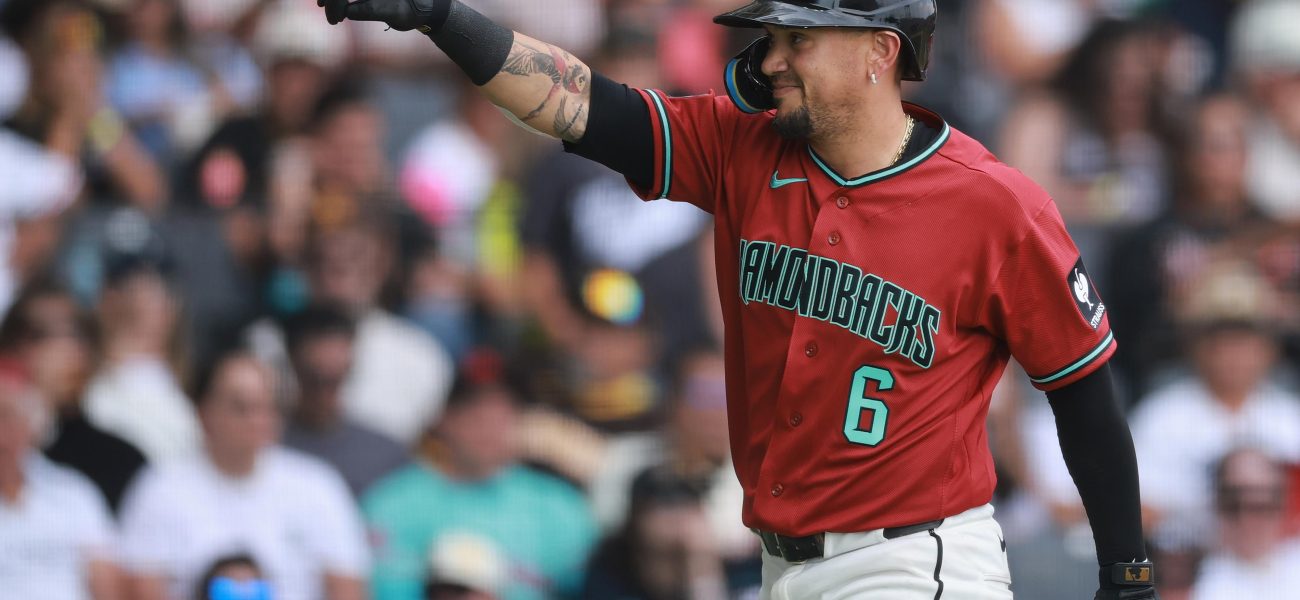
Behind the headlines of presidential approval ratings and market indices, the Arizona Diamondbacks, a decidedly non-political entity, have recently offered a compelling case study in this very phenomenon. It’s a tale of rapid reversals, where initial despondency morphed — however tentatively — into renewed belief, all within a few weeks. The season began with a thud; the Diamondbacks — expected to contend, mind you — found themselves thoroughly swept by their formidable Los Angeles rivals. Any vestiges of Opening Day exuberance, that peculiar spring fever, evaporated like a desert mirage. It wasn’t pretty. But then, as swiftly as a squall descends upon the Sonoran Desert, they pivoted, executing a decisive sweep of the Detroit Tigers, a team itself harboring credible postseason aspirations.
And so, the public — or at least, the segment that meticulously tracks the exploits of twenty-five men chasing a stitched sphere — adjusted its outlook. It’s the quintessential ‘what have you done for me lately?’ axiom, a truism that Janet Jackson, surprisingly, enshrined for posterity. The club’s internal metrics, a ‘confidence poll’ that gauges fan sentiment on a scale, illustrated this whiplash perfectly. Following the Tigers’ vanquishing, overall fan confidence nudged upwards by just over a quarter of a point, from a tepid 6.12 to a slightly more robust 6.39. The most consequential shift? A tripling in the ‘8’ rating category, from a meager five percent in March to a more assertive fifteen percent by April’s end. People, it seems, prefer the taste of victory, even if it’s merely a temporary palate cleanser.
But here’s the rub, the inconvenient truth beneath the surface shimmer of renewed faith: the team’s pitching staff, those indispensable hurlers, concluded April with a collective earned run average (ERA) north of five (5.09, to be precise, according to MLB.com statistics), ranking a dismal 28th in Major League Baseball. That figure represents the highest ERA through the season’s initial 30 games since the purgatorial 2020 campaign. It’s a statistic that quietly, almost imperceptibly, undermines the edifice of revived confidence, a latent vulnerability. And yet, the public, momentarily at least, seems willing to overlook such structural deficiencies when dazzled by unexpected bursts of brilliance from players like Ildemaro Vargas, rookie Jose Fernandez, and veteran Nolan Arenado.
“We’re acutely aware that fan sentiment is as mercurial as a desert storm,” posited Kevin Halloran, the Diamondbacks’ pragmatic General Manager. “It’s a marathon, not a sprint, and we’re committed to building sustained excellence, not just chasing ephemeral highs.” He’s got a point. Still, the immediate wins — the instant gratification — hold immense sway. It’s a dynamic not dissimilar to the rapidly shifting political capital often observed in nascent democracies or volatile political landscapes globally. In regions like South Asia, for instance, public approval for leaders or parties can often hinge more on recent, tangible outcomes — say, an infrastructure project completed, or a border skirmish managed — than on the broader, more complex tapestry of long-term policy or economic reform. The immediate win-loss record, on the field or in the public square, frequently trumps strategic vision.
📄 POLICY WIRE WHITEPAPER PUBLISHED: PAKISTAN'S NATIONAL SECURITY POLICY PRIORITIES
👉 READ BY CLICKING HERE“The economic vitality of downtown Phoenix, frankly, pivots on more than just win-loss records,” asserted Councilwoman Aisha Khan, known for her sharp fiscal oversight. “But let’s not pretend a buoyant fan base doesn’t inject a palpable energy into our local enterprises. It’s an undeniable, if unquantifiable, boost.” And that, perhaps, is the crux of it: a winning team, however fleeting its current form, cultivates a feel-good factor, a collective buoyancy that transcends the mere boundaries of the ballpark. It’s a potent, if fragile, component of the broader political economy of leisure and civic pride.
What This Means
At its core, this micro-narrative of the Diamondbacks’ fan confidence poll is a revealing parable about human nature and the inherent fragility of public opinion — a fragility with very real implications. Economically, even a slight uptick in fan morale translates into tangible gains: increased ticket sales, merchandise revenue, and peripheral spending at local eateries and bars. Politically, while this isn’t a direct election, the civic pride associated with a successful sports franchise can subtly bolster local leaders, enhancing community cohesion. But it’s a precarious balancing act; the underlying pitching woes suggest that this surge in confidence could be ephemeral, a temporary reprieve before reality bites again. The lessons here extend far beyond the baseball diamond: sustaining public trust, whether in a sports team or a governing body, requires more than just episodic triumphs; it demands a robust, transparent, and ultimately, a winning long-term strategy, even if the public often prefers — and rewards — the instant gratification of short-term victories. It’s a challenging calculus, to be sure.
Still, for now, the Diamondbacks — and their slightly more optimistic devotees — carry on, a testament to the persistent human capacity for hope, even when the underlying metrics hint at an impending, and perhaps inevitable, reckoning.
📖 GET YOUR FREE COPY NOW OF POLICY WIRE DIGITAL MAGAZINE JULY 2026 EDITION
👉 READ & DOWNLOAD FREE MAGAZINE