


The Mother Road’s Enduring Gravitas: Route 66 at 100 and the Digital Paradox
POLICY WIRE — Albuquerque, N.M. — In an era obsessed with the ephemeral — where cultural touchstones can emerge, burn brightly, and fade within a TikTok cycle — some legacies stubbornly persist....

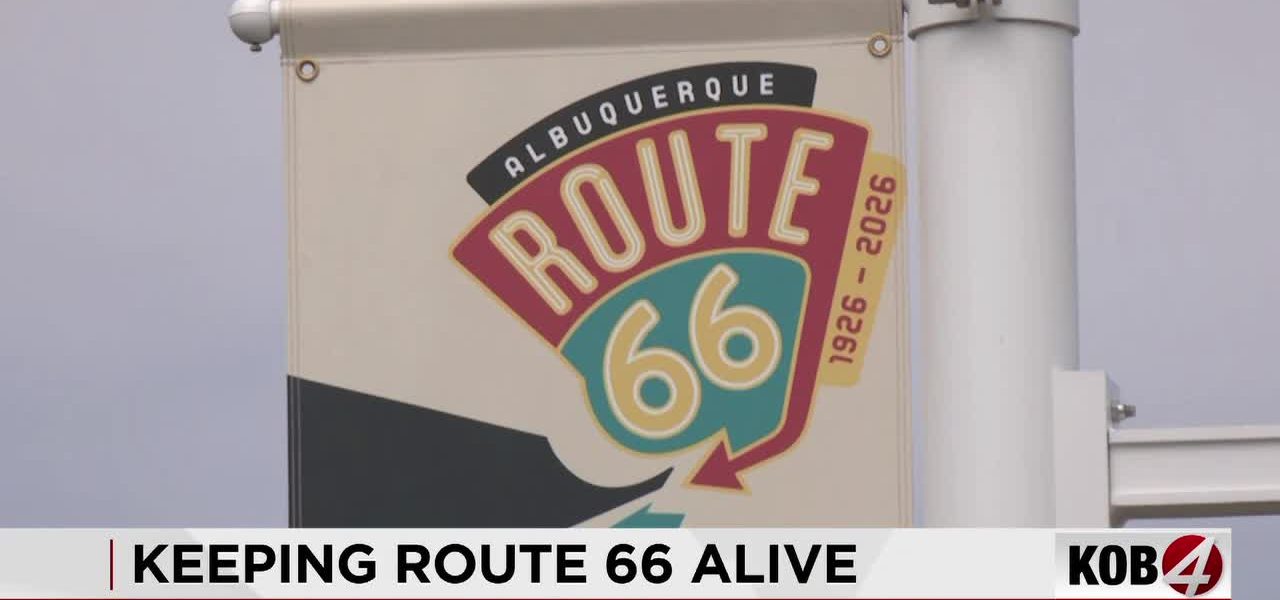
POLICY WIRE — Albuquerque, N.M. — In an era obsessed with the ephemeral — where cultural touchstones can emerge, burn brightly, and fade within a TikTok cycle — some legacies stubbornly persist. America’s venerable Route 66, for instance, isn’t just persisting; it’s thriving, navigating its centennial not as a dusty relic but as a vibrant economic engine, particularly here in Albuquerque. This defiance of digital obsolescence, however, owes a curious debt to the very forces threatening to consign physical travel to the annals of history.
It’s not just about the pavement; it’s about the narrative. So, when tech behemoth Google, typically mapping the next frontier of virtual reality, decided to commemorate Route 66’s 100th anniversary with an interactive digital map, it wasn’t merely a nod to history. It was a potent, if ironic, validation of the Mother Road’s continued relevance. And in Albuquerque, where a significant, unbroken stretch of the historic highway still bisects the city, this digital homage has translated into palpable excitement for the purveyors of local commerce.
Dr. Sharmin Dharas, the CEO of Hotel Zazz — a revitalized establishment along Central Avenue, the city’s historic Route 66 artery — offers a particularly poignant lens on this cultural renaissance. Her family bought the property when she was just eight, a time when the highway’s mystique was perhaps less appreciated by its immediate neighbors. “You don’t call it searching, you call it Googling, you know? So that’s huge to see that Google was able to commemorate that as well,” Dharas shot back, a hint of awe in her voice. “I never saw anything cool about it when I was younger. I didn’t really care for it much, but as I got older, I started to see the beauty because I would travel and people would say like, ‘Oh, that’s where the Mother Road is.’” It’s a sentiment that speaks to the slow burn of appreciation, often ignited by an external gaze.
Her experience, incidentally, echoes a broader global fascination. Much like how ancient caravan routes in Central Asia—connecting civilizations across the vast Muslim world—once served as arteries for trade and cultural exchange, Route 66, in its own distinctly American fashion, continues to draw pilgrims. These aren’t just domestic tourists; they’re global adventurers seeking a tangible connection to a storied past, a quest for authenticity in a homogenized world. The very idea of the American road trip has become a coveted, almost exotic, experience for many international travelers, not least those from burgeoning economies who increasingly seek unique, experiential holidays beyond conventional destinations. It’s a cross-cultural dialogue, really, facilitated by asphalt — and nostalgia.
David Nidel, a lifer with the New Mexico Route 66 Association, admitted a touch of disbelief at the milestone. “I never really anticipated that we would hit 100 years or that maybe I would live as long to see 100 years anyway,” he quipped. His association, alongside myriad local stakeholders, has been tirelessly campaigning to preserve the road’s physical integrity and, crucially, its mythos. Because what’s a road, after all, without its stories? And those stories translate directly into dollars. According to a 2018 National Park Service report, visitors to the Route 66 corridor generated an estimated $38 million in economic activity annually across its eight states. Not chump change, by any stretch.
📄 POLICY WIRE WHITEPAPER PUBLISHED: PAKISTAN'S NATIONAL SECURITY POLICY PRIORITIES
👉 READ BY CLICKING HEREBusinesses like 66 Diner, co-owned by Summer Willis, stand as living testaments to this enduring appeal. Her family transformed an old Phillips 66 service station into a thriving eatery back in 1987. “The original building was built in 1945. It was many things in its lifetime,” Willis reflected, gesturing towards the retro memorabilia that now adorns its walls. It’s a meticulously crafted tableau of Americana, attracting patrons eager for a taste of mid-century charm and a side of local lore. Still, the challenge isn’t just preservation; it’s adaptation. How does one maintain historical integrity while catering to modern expectations?
What This Means
At its core, Route 66’s centenary isn’t just a nostalgic look backward; it’s a forward-looking economic and cultural policy statement. For municipalities along its 2,448-mile stretch, from Chicago to Santa Monica, the road represents a tangible asset, a lifeline for small businesses in an increasingly globalized and impersonal marketplace. The push to preserve and promote the highway necessitates ongoing dialogue between federal, state, and local entities on infrastructure funding, tourism strategies, and cultural heritage protection. We’re talking about everything from signage consistency to zoning laws that prevent modern developments from eroding its historic character. Politically, it’s a relatively bipartisan endeavor, tapping into a shared sense of American identity that transcends contemporary divides—a rare commodity in today’s polarized landscape. Economic implications are stark: a well-maintained, actively promoted Route 66 corridor can funnel millions into local economies, creating jobs and sustaining communities that might otherwise wither. Think about its resonance alongside Albuquerque’s distinct automotive culture, or the broader celebration of New Mexico’s regionalism exemplified by events like the New Mexico State Fair, itself a monument to regional identity. These aren’t just local curiosities; they’re vital components of a broader economic ecosystem that relies on cultural distinctiveness to draw visitors and investment.
Ultimately, the centennial of Route 66 serves as a powerful reminder that while the future might be digital, the past, when properly maintained and intelligently marketed, still holds considerable sway. It’s a road, yes, but it’s also a powerful symbol, constantly being rediscovered and redefined by each generation that travels its iconic path.