


The Brass Tacks of Betrayal: IDF Major’s Alleged Gaza Smuggling Scheme Unveils Rot at the Core
POLICY WIRE — Tel Aviv, Israel — The price of loyalty, it appears, isn’t always calculated in patriotism or strategic imperative; sometimes, it’s merely a transaction, a sordid exchange...

POLICY WIRE — Tel Aviv, Israel — The price of loyalty, it appears, isn’t always calculated in patriotism or strategic imperative; sometimes, it’s merely a transaction, a sordid exchange for illicit goods and cold, hard cash. This unsettling truth has crashed into Israel’s seemingly impregnable defense establishment with the indictment of an Israel Defense Forces (IDF) major, charged with the profoundly grave offenses of aiding the enemy and taking bribes in an alleged scheme to smuggle contraband into the Gaza Strip. It’s a stark reminder that even the most disciplined forces aren’t immune to the corrosive pull of venality.
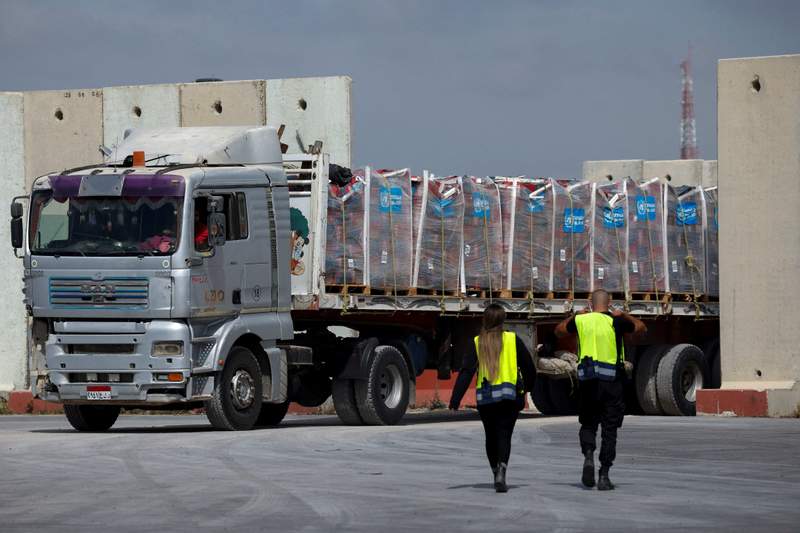
At its core, this isn’t just a story of a rogue officer; it’s a window into the perpetual gray market that thrives on the fringes of conflict, blurring lines between friend and foe, duty and avarice. The major, whose name remains under a gag order for now, stands accused of leveraging his position—and the considerable trust that comes with it—to facilitate the entry of banned items into Gaza. These weren’t necessarily weapons (though the charges of ‘aiding the enemy’ are capacious enough to include such implications), but rather goods whose flow is tightly regulated by Israel, a mechanism of control designed to prevent materials with dual civilian-military use from reaching Hamas or other militant groups. The charges paint a picture of deliberate, systemic breaches for personal enrichment.
And the reaction? Predictably sharp. IDF Spokesperson Rear Admiral Daniel Hagari shot back at the allegations, declaring, “This alleged act represents a profound betrayal of the uniform and the nation it serves. We will ensure justice is meted out with absolute resolve, sending an unequivocal message that such venality won’t be tolerated within our ranks.” He didn’t mince words, underscoring the institutional shockwave this incident has created. But for some observers, it’s merely another symptom.
Behind the headlines, the case reverberates far beyond the immediate security implications, touching on the complex nexus of occupation, blockade, and human desperation. “For decades, the narratives have focused solely on our desperation within Gaza,” intoned Dr. Omar Al-Aswad, a political analyst based in Ramallah, offering a more cynical assessment. “But even in a blockade, there are always two sides to a border, and corruption, it seems, is a universal language spoken across all lines of conflict, regardless of who controls the checkpoints.”
Still, the moral injury this inflicts upon the IDF’s carefully cultivated image of unwavering integrity is undeniable. It’s a particularly galling development for a military that prides itself on strict ethical codes and an almost sacred bond of trust with the Israeli public. This isn’t some low-ranking conscript succumbing to temptation; it’s a field officer, a major, allegedly exploiting a strategic vulnerability for financial gain. The investigation suggests a network, albeit loosely defined, that profited from the very restrictions designed to protect Israeli citizens.
📄 POLICY WIRE WHITEPAPER PUBLISHED: PAKISTAN'S NATIONAL SECURITY POLICY PRIORITIES
👉 READ BY CLICKING HERESuch incidents aren’t exclusive to the Levant, of course. Corruption within defense establishments is a global blight. Transparency International’s Government Defence Anti-Corruption Index consistently highlights systemic vulnerabilities in military sectors worldwide. In fact, globally, military corruption is estimated to siphon off at least $20 billion annually, often exacerbating conflict and instability (Transparency International). It’s a phenomenon that resonates deeply in parts of the Muslim world, like Pakistan, where accusations of corruption within the military-industrial complex have, at times, fueled public discontent and political instability. The perception of such breaches, whether in Tel Aviv or Islamabad, chips away at national confidence and provides fodder for critics both internal and external.
But the Israeli context carries its own unique weight. Gaza, hemmed in by stringent Israeli and Egyptian controls, presents a ready-made market for black-market goods, from construction materials to consumer electronics. The alleged willingness of an IDF major to become an active participant in this economy underscores the profound human element in any conflict – the vulnerability of even the most dedicated personnel to temptation when presented with opportunities for substantial illicit profit. It also spotlights the difficulty of maintaining an absolute chokehold on an area with over two million inhabitants; leaks, it appears, are inevitable, especially when money talks.
What This Means
This scandal is more than a mere legal entanglement; it’s a seismic event for Israel’s domestic politics and its international standing. Politically, it grants ammunition to critics of Israel’s Gaza policy, feeding narratives of a system inherently prone to exploitation or, worse, hypocrisy. It also forces a painful introspection within the IDF itself – an institution that rarely faces such public scrutiny over its internal ethical fortitude. For Prime Minister Benjamin Netanyahu’s government, already battling a cacophony of internal dissent and external pressure, this adds another unwelcome, corrosive layer to the national dialogue. It’s hard to project unwavering strength when the enemy’s pockets are allegedly being lined by one’s own officers. The incident might also, ironically, fuel further pro-Palestinian sentiment globally, as it illustrates the porous and often venal nature of borders and blockades. (It’s a familiar refrain in such high-stakes drama.)
Economically, the alleged smuggling operations highlight the robust black market economy within Gaza, an economy exacerbated by the blockade. The illicit movement of goods, often facilitated by bribes, demonstrates the enduring power of demand over even the most robust security measures. This isn’t just about consumer goods; it’s about the financial pipelines that can inadvertently support or complicate the strategic objectives of both sides. The cost of combating such corruption, both in terms of resources — and reputation, is incalculable. It speaks to a fundamental challenge in conflict zones: how to balance security imperatives with the human and economic realities on the ground – a conundrum that, as this case starkly illustrates, can lead to deeply uncomfortable compromises, even for those sworn to uphold the highest standards of national defense. This major’s alleged actions don’t just betray Israel; they betray the very ideals of military integrity.
📖 GET YOUR FREE COPY NOW OF POLICY WIRE DIGITAL MAGAZINE JULY 2026 EDITION
👉 READ & DOWNLOAD FREE MAGAZINE