


The Scrimmage for Scarcity: NBA Draft’s Economic Undercurrents Ripple Through Detroit
POLICY WIRE — Washington, D.C. — In the high-stakes, hyper-capitalist arena of professional sports, every dribble, every shot, and especially every draft pick is less about athletic prowess alone and...

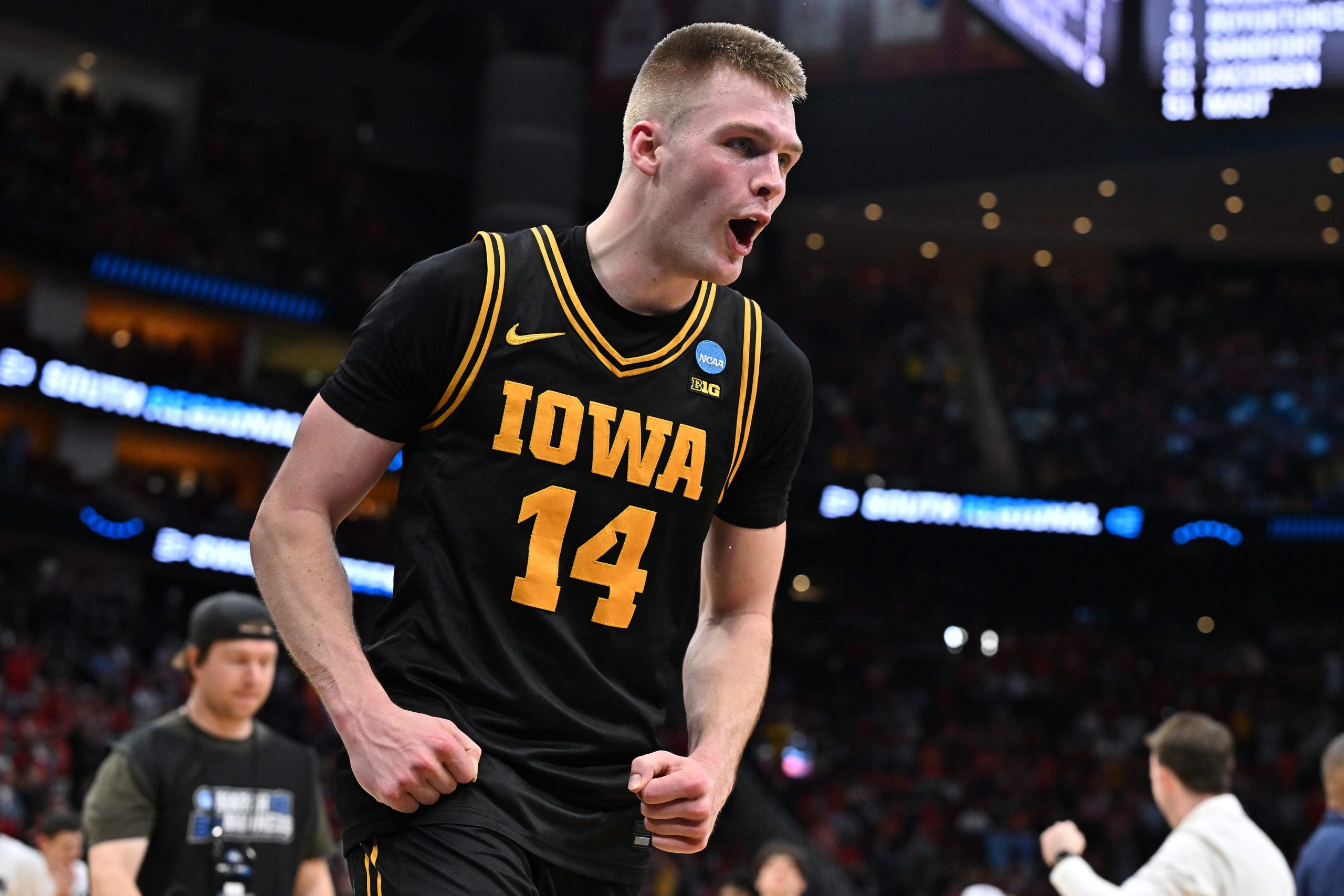
POLICY WIRE — Washington, D.C. — In the high-stakes, hyper-capitalist arena of professional sports, every dribble, every shot, and especially every draft pick is less about athletic prowess alone and more about the cold, calculated pursuit of a competitive advantage. It’s a grueling talent market where millions of dollars hinge on split-second decisions — and speculative futures. So, when ESPN’s latest NBA mock draft surfaces, projecting Iowa guard Bennett Stirtz to the struggling Detroit Pistons at No. 21, it isn’t simply a sports prognostication; it’s a stark reflection of supply-side economics meeting desperate demand, underscoring the precarious balance sheets of struggling franchises.
The Pistons, currently languishing through a first-round playoff series that has them on the precipice of elimination, are a case study in this perpetual quest. Their recent 94-88 loss to the Orlando Magic — in which they couldn’t buy a basket for the final five minutes and twenty-four seconds of Game 4 — only amplifies the glaring deficiency around their star guard, Cade Cunningham. They’re not merely losing games; they’re losing market share, fan engagement, and, ultimately, investor confidence. Hence the relentless focus on the draft, a mechanism meant to inject new blood and, hopefully, new financial viability.
But this isn’t just about one team’s woes. At its core, the NBA draft is a microcosm of a much larger, often brutal, global talent acquisition machine. Teams aren’t just scouting players; they’re investing in human capital, hoping to unearth undervalued assets or cultivate future megastars who can generate billions in revenue. It’s why figures like Bennett Stirtz, a 6-foot-4 senior from Iowa averaging 19.8 points and 4.4 assists, become objects of intense scrutiny. His 35.8% clip from beyond the arc—a statistic often seen as a baseline requirement for NBA readiness—while solid, reveals a player whose value might lie more in his ability to fit a specific team need rather than sheer superstar potential. Still, for a team like Detroit, even a role player who can reliably knock down open shots could be a valuable, cost-controlled commodity.
“We’re not just looking for talent; we’re seeking specific skill sets that complement our existing investments,” asserted Troy Weaver, the Pistons’ General Manager, in a recent, unusually candid, press briefing. “It’s an optimization problem, isn’t it? Every pick is about mitigating risk while maximizing future return.” His words cut to the chase: this isn’t about passion; it’s about portfolio management.
The path Stirtz took, transferring from Drake to Iowa and earning second-team All-Big Ten honors, exemplifies the modern college athlete’s journey—a journey increasingly defined by strategic moves and personal branding, culminating in what some call college sports’ macro-economic gambit. He enters the league as a 23-year-old rookie, a fact ESPN draft analyst Jeremy Woo highlighted, noting it might limit his long-term upside but offers immediate maturity. This older rookie trend is growing, with approximately 15% of NBA draftees in the last five years being 22 or older, according to league data, reflecting a shift towards more experienced, ‘pro-ready’ prospects rather than raw potential.
And it’s not just American talent. The NBA’s global aspirations — a key policy objective for the league — mean that while domestic college stars get much of the spotlight, scouts relentlessly scour the world for talent, from burgeoning leagues in Europe to developmental programs in Asia. Imagine the untapped potential in a country like Pakistan, with its vast youth population and burgeoning interest in Western sports. While the path from Karachi to the NBA might be circuitous today, the league’s strategic investments in global outreach, from establishing academies to broadcasting games in over 200 countries, subtly aims to broaden its talent pool and, concurrently, its lucrative international fanbase. They’re playing the long game, harvesting human capital across continents.
Consider the flurry of prospects with Michigan ties also making waves: Arkansas point guard Darius Acuff Jr., projected to go at No. 5, or the three players from Michigan’s national championship team—Yaxel Lendeborg, Aday Mara, and Morez Johnson Jr.—slotted between picks 12 and 20. Each represents a local investment, a story of community pride intertwining with national economic aspirations. They’re not just athletes; they’re embodiments of localized talent pipelines feeding a global industry.
“The draft isn’t just about who gets picked; it’s about the economic ecosystem it sustains, from collegiate programs to local economies,” mused Dr. Aisha Khan, a sports economist at the Wharton School. “It’s a powerful engine for social mobility, too, offering unparalleled opportunities that resonate far beyond the court, often in communities that need it most.” This sentiment underscores the broader societal implications of what, on the surface, appears to be mere sports entertainment. It’s a high-stakes lottery, yes, but one that’s increasingly globalized — and economically consequential.
What This Means
The annual NBA draft, far from being a simple televised spectacle, functions as a critical economic engine and a complex labor market mechanism. For struggling franchises like the Pistons, it’s a quasi-bailout strategy, a desperate hope for cost-effective talent that can revitalize both on-court performance and, crucially, balance sheets. The inclusion of older rookies like Stirtz signals a shift towards ‘plug-and-play’ assets, reflecting a league-wide impatience with long developmental timelines and a desire for immediate impact. This dynamic impacts collegiate sports, too, forcing institutions to adapt their programs to serve as increasingly specialized training grounds for professional leagues. the increasing global footprint of the NBA—its deliberate efforts to scout and cultivate talent from diverse international markets—reveals a strategic imperative to expand its fan base and market reach. It’s a subtle form of economic diplomacy, extending soft power and brand influence into regions like South Asia, hinting at future recruitment from places like Pakistan, not just for talent but for burgeoning consumer markets. This isn’t just about basketball; it’s about the relentless pursuit of growth in a globalized, winner-take-all economy, where even athletic potential is measured in dollars and cents.