



Nairobi’s Linguistic Backpedal: When a Quip Ignites Diplomatic Contention
POLICY WIRE — Nairobi, Kenya — It’s a perennial truth in diplomacy: words, once loosed, seldom vanish without a trace. Particularly when they emanate from a head of state. Kenya’s President, William...

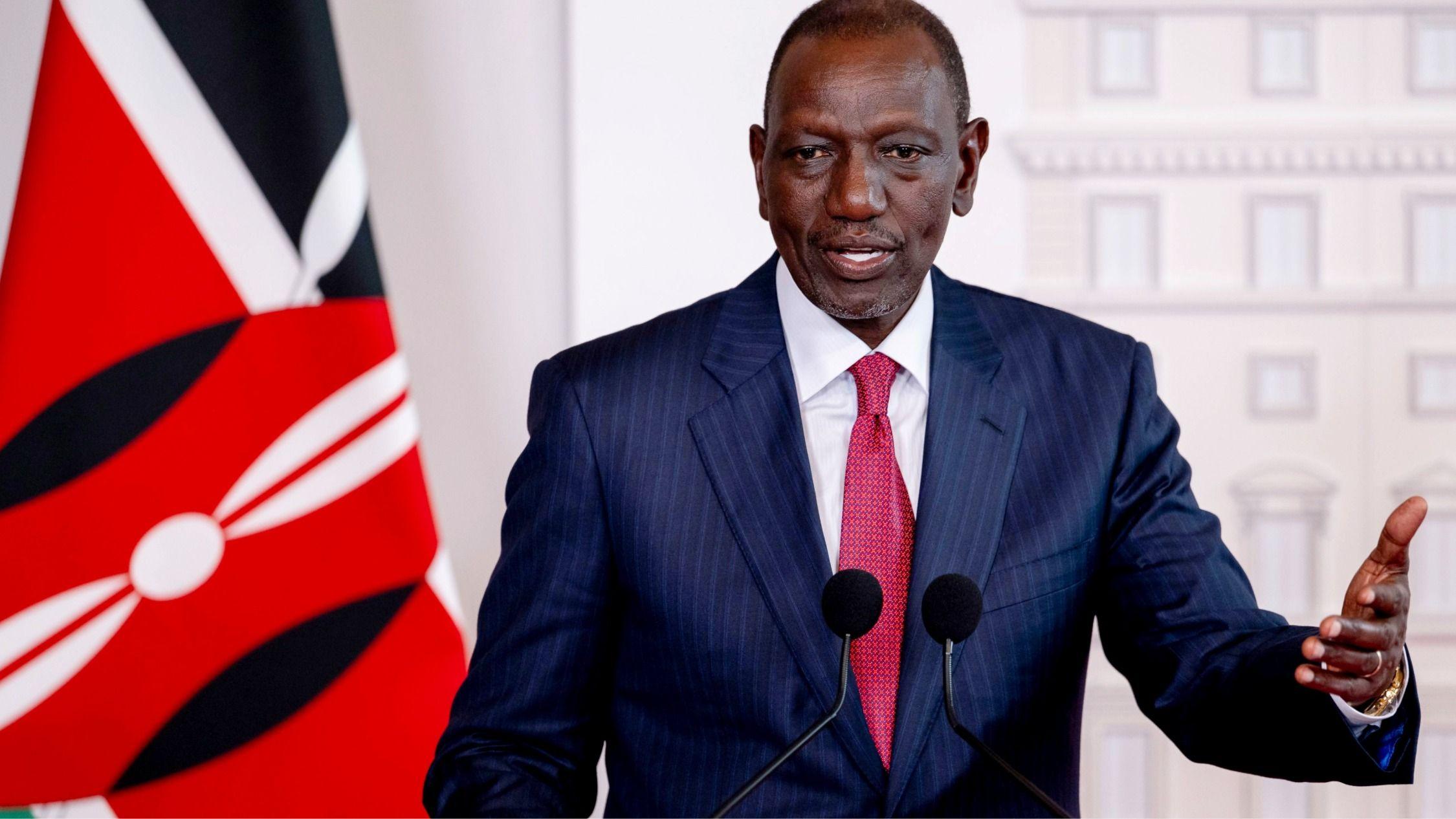
POLICY WIRE — Nairobi, Kenya — It’s a perennial truth in diplomacy: words, once loosed, seldom vanish without a trace. Particularly when they emanate from a head of state. Kenya’s President, William Ruto, recently learned this lesson the hard way, executing a rather conspicuous linguistic backpedal after offhand remarks about Nigerian English sparked a continent-wide kerfuffle. This wasn’t just a simple gaffe; it was a potent reminder of the delicate sensibilities underpinning intra-African relations, where national pride often trumps polite banter.
Ruto, addressing a group of local investors, had quipped about the perceived difficulty of understanding spoken Nigerian English, suggesting Kenyans possessed a superior command of the Queen’s tongue. (A bold claim, some might say, given the myriad dialects and accents across the Commonwealth.) The implication, however subtle, stung. It didn’t take long for the digital sphere to amplify the slight, transforming a casual aside into a diplomatic incident.
But the Internet, it’s a fickle beast, isn’t it? What began as a ripple swiftly became a tidal wave of online indignation, particularly from Nigeria, a nation acutely aware of its cultural and economic heft on the continent. Critics quickly pointed out the irony of a leader from a burgeoning African economy — one vying for greater regional influence — inadvertently alienating a fellow powerhouse. You don’t poke the bear, especially when that bear happens to be Africa’s largest economy — and most populous nation.
Still, the president, facing a torrent of criticism that threatened to overshadow his administration’s broader agenda, moved to quell the burgeoning storm. “My recent comments were never intended to disparage the rich linguistic diversity of our Nigerian brothers and sisters,” President Ruto finally conceded in a statement from State House, a carefully worded missive designed to soothe ruffled feathers. “It was an ill-conceived attempt at humor, — and for any offense caused, I extend my sincerest apologies. We cherish our deep ties with Nigeria and value its immense contributions to African progress.” It’s a classic playbook move: apologize, clarify, and pivot to shared continental goals.
And the response from Abuja? Expectedly firm, yet ultimately diplomatic. Dr. Abike Dabiri-Erewa, Chairperson of the Nigerians in Diaspora Commission (NIDCOM), shot back with a clear emphasis on national distinction. “Nigeria’s English, like its people, is vibrant, distinct, and unequivocally ours,” she opined, speaking to a local news outlet. “We respect every nation’s unique cultural expressions, — and we expect the same in return. Our bond with Kenya, however, remains paramount, built on far more than just accents.” Such statements, you see, deftly reclaim national pride without derailing larger diplomatic imperatives.
Behind the headlines, this fracas illuminates a deeper continental dynamic. English, a colonial inheritance, serves as a crucial lingua franca across Africa, yet its interpretation and accentuation vary wildly, reflecting diverse post-colonial identities. The British Council estimates that English is an official language in 24 African countries, spoken by well over 200 million people continent-wide — a testament to its pervasive, if often localized, influence. And within this vast linguistic tapestry, distinctions become sources of pride, or, regrettably, contention.
This incident also resonates beyond the immediate protagonists. Consider the broader Muslim world, including nations in South Asia like Pakistan, where debates over the role of English versus indigenous languages often spark fierce cultural and political discourse. National identity, as in the case of Kenya and Nigeria, is frequently intertwined with linguistic expression, making any perceived slight a potent symbol. It’s about respect, ultimately — a commodity always in high demand, seldom in oversupply.
What This Means
President Ruto’s misstep, — and subsequent rapid retreat, carries several consequential implications. Politically, it underscored the fragility of regional alliances and the need for greater diplomatic finesse, particularly from leaders aspiring to continental leadership. Such gaffes, however minor on the surface, can erode trust and provide fodder for critics who champion nationalistic sentiments over pan-African solidarity. It won’t shatter Kenya-Nigeria relations, not fundamentally, but it will certainly remain a footnote in their diplomatic annals.
Economically, while this particular kerfuffle isn’t likely to tank trade deals, it serves as a subtle reminder that perceived cultural insensitivity can create headwinds for economic cooperation. Nations, particularly those in the Global South, are increasingly looking to forge stronger intra-regional partnerships to counter external economic pressures. And language, as Obama’s ‘sick’ rebuke demonstrated in a different context, often serves as a proxy for broader cultural respect, or lack thereof. When leaders diminish one another, it makes the collaborative path that much steeper.
Finally, there’s the soft power angle. Both Kenya and Nigeria are significant players on the African stage, each with distinct cultural exports and aspirations. Remarks that inadvertently question the cultural authenticity of one nation can undermine efforts to project a unified, confident African voice on the global stage. It’s a lesson in statesmanship: what’s said in jest often echoes as policy, even when it’s not.