


Centuries of Stories at Stake: Lindy’s Diner Closure Ignites Preservation Battle in Albuquerque
POLICY WIRE — Albuquerque, New Mexico — A century of breakfasts, countless coffee refills, and untold conversations now echo in silence on Fourth Street, where Lindy’s Diner, a beloved local...

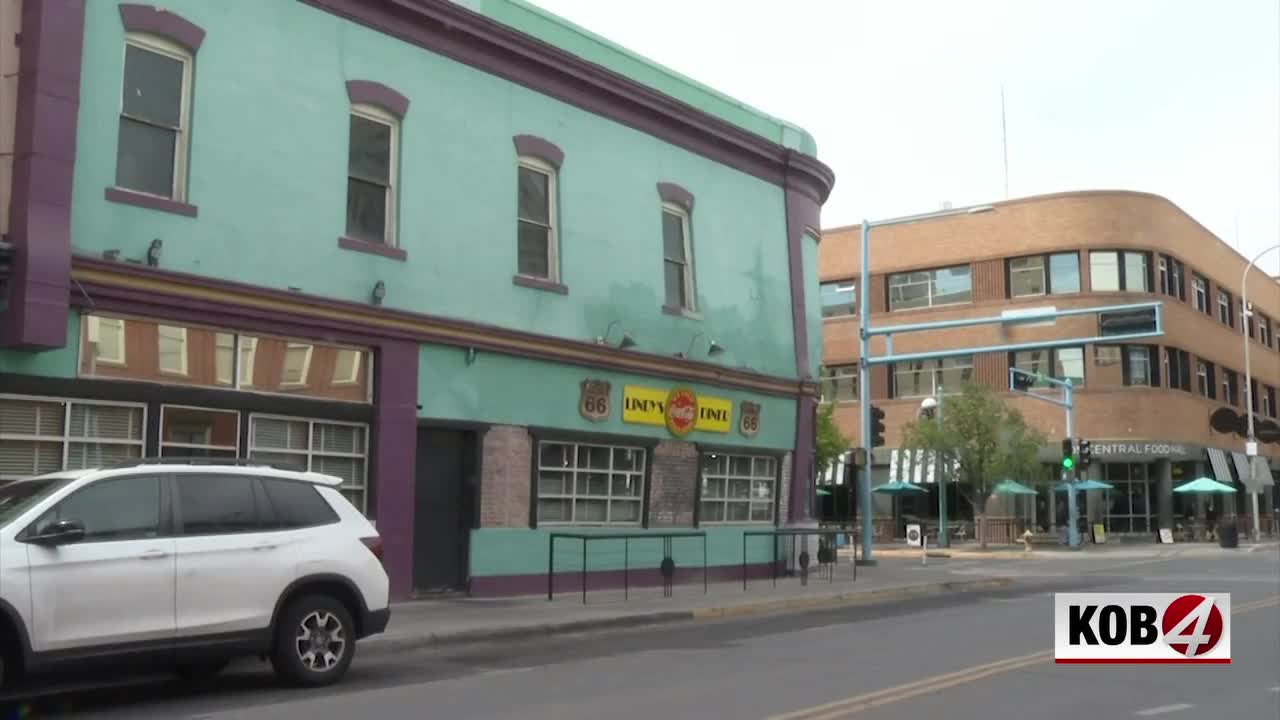
POLICY WIRE — Albuquerque, New Mexico — A century of breakfasts, countless coffee refills, and untold conversations now echo in silence on Fourth Street, where Lindy’s Diner, a beloved local institution, abruptly shuttered last week, red-tagged by city inspectors.
For generations of Albuquerqueans, Lindy’s wasn’t just a place to eat; it was the backdrop to first dates, business deals, and weary truckers’ solace. In a flash, those traditions hit a structural brick wall, quite literally.
But the city’s decision, citing fears the 100-year-old building could collapse, has sparked an immediate, fervent backlash of civic support. And yet, this isn’t merely about a diner; it’s about the soul of a city and the precarious tightrope between urban development, historical preservation — a truly thorny issue, isn’t it? — and public safety.
Few could’ve predicted such a precipitous demise to daily operations. Indeed, one day the griddle sizzled, the next, a bright red notice from the city’s code enforcement team sealed its fate. It all happened so fast. The owners, who’ve poured their lives into the establishment, describe being blindsided, their livelihoods upended.
“We’re absolutely devastated by this,” Maria Sanchez, co-owner of Lindy’s for the past two decades, told Policy Wire in a phone interview, her voice heavy with emotion. “It’s not just a business; it’s our family’s legacy, and it belongs to this community as much as it does to us. We won’t give up.”
Poignant. Certainly.
Immediately, the digital cash registers of crowdfunding sprang into action, a wild west of online giving. A GoFundMe campaign launched to cover the gargantuan costs of structural repairs, city permitting, and the myriad other expenses tied to reopening. As of early Friday morning, just over $1,000 had been pledged, a testament to the initial outpouring of goodwill, though a fraction of what’s likely needed. A drop in the bucket, frankly.
The math is stark: repairs for a century-old building with significant structural issues could easily climb into the hundreds of thousands. It’s a real pickle, ain’t it? Who shoulders that burden?
“Public safety is non-negotiable,” affirmed Albuquerque Mayor Tim Keller in a press conference yesterday, addressing the outcry. “We can’t compromise on the integrity of our buildings. But let me be clear: we recognize Lindy’s is a landmark. My administration is exploring every avenue to support our local businesses and preserve our city’s unique heritage, within the bounds of responsible governance.”
It’s a delicate balance, one policymakers globally contend with.
Across the world, from the ancient bazaars of Lahore, Pakistan, to the labyrinthine streets of Istanbul, Turkey, city planners and preservationists scrimmage with similar conundrums. How do you safeguard the character and history of a building — often built long before modern codes and all the attendant bells and whistles — while ensuring it’s safe for 21st-century inhabitants? It’s a universal struggle, really, to marry the charm of the past with the demands of the present, isn’t it?
Could this situation become a template for how Albuquerque handles its other aging, beloved structures? Really makes you wonder.
What This Means
The closure of Lindy’s Diner is more than a local news item; it’s a microcosm of broader conundrums facing cities everywhere. Economically, the immediate impact is felt by the diner’s employees, its suppliers, — and the tax base. But the ripple effect extends further, eroding the intangible value of community identity.
Politically, the city administration walks a tightrope. On one side, upholding stringent safety regulations protects citizens from potential catastrophe. On the other, the optics of closing a cherished, historic business can spark public discontent and accusations of bureaucratic overreach. Ah, the beauty of modern governance. This kind of legacy debate isn’t new to New Mexico’s capital.
So, socially, the loss of a communal third space like Lindy’s, where diverse groups of people once mingled over coffee and huevos rancheros, leaves a void. These establishments often serve as unofficial community centers, fostering connections that online interactions simply can’t replicate. We’re talking about tangible community fabric here.
Indeed, bolstering these spaces often requires creative solutions — think public-private partnerships, perhaps, or dedicated historical preservation funds that extend well beyond the typical, earnest, but often insufficient individual GoFundMe campaigns. The city has, after all, shown a flair for community initiatives in the past.
“The challenge isn’t just about fixing a building; it’s about valuing the intangible heritage it represents,” explained Dr. Anisa Rahman, an urban planning historian at the University of New Mexico. “Albuquerque, like many cities, is rapidly modernizing. We need proactive strategies to protect these cultural anchors before they’re red-tagged into oblivion.”
And for Lindy’s Diner, the road ahead is long — and costly. But if the initial community response is any indication, its story isn’t over. It’s merely entered a new, precarious chapter where civic pride, economic reality, and regulatory mandates are all on the menu.