


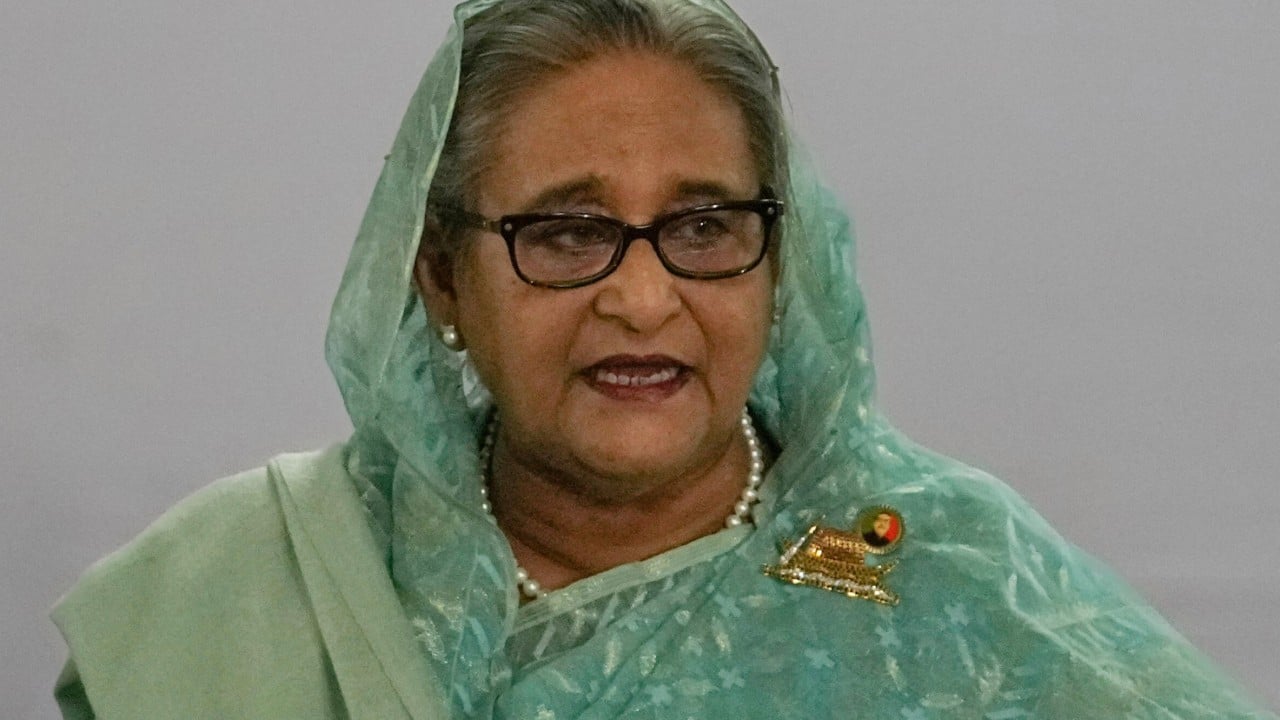
Delhi’s Diplomatic Tightrope: Hasina’s Fate Ignites Regional Precedent Fears
POLICY WIRE — New Delhi, India — Few moves by India’s Ministry of External Affairs have ignited such quiet, yet palpable, anxiety across South Asia as its recent acquiescence to formally review...

POLICY WIRE — New Delhi, India — Few moves by India’s Ministry of External Affairs have ignited such quiet, yet palpable, anxiety across South Asia as its recent acquiescence to formally review an extradition request for former Bangladeshi Prime Minister Sheikh Hasina.
And yet, this isn’t just another run-of-the-mill bureaucratic exercise. It’s a high-stakes geopolitical poker game with India’s regional standing, and the very concept of political asylum for deposed leaders, on the table.
Back in August 2024, Hasina’s long tenure as Bangladesh’s leader imploded under the weight of widespread protests, spurring her flight across the border into India. Dhaka’s subsequent demand for her return wasn’t entirely unexpected, but Delhi’s assent, announced on April 17, to consider it, certainly was. A real shocker, that.
A momentous shift, that. For years, India has nurtured a precarious equilibrium with its neighbors, frequently extended refuge to political figures, especially those from countries like Bangladesh, Myanmar, or Nepal, grappling with domestic turmoil.
But this situation, well, it just carries a different scent. The current Bangladeshi regime, led by the interim government, has trumpeted that they consider Hasina a fugitive from justice, indicting her for widespread corruption and human rights abuses during her rule.
“India champions international law and humanitarian principles,” declared Arindam Bagchi, spokesperson for India’s Ministry of External Affairs, in a recent press briefing. “Each extradition request undergoes a meticulous legal and procedural review, regardless of the individuals involved or the political climate. We don’t prejudge outcomes.”
His words, while pre-programmed diplomatic cant (and really, did anyone expect anything else?), illuminate the gargantuan strain Delhi now faces. To reject the request outright might estrange a pivotal ally. To accept it, however, could set a perilous standard, metamorphosing India from a subtle regional power—the kind that plays chess, not checkers—into a potential enforcer for new, often unstable, regimes, thereby upending decades of carefully cultivated diplomatic doctrine.
Unambiguous, the math is. Bangladesh isn’t just another neighbor; it’s a linchpin in India’s ‘Act East’ policy and a rampart against insidious Chinese influence in the Bay of Bengal. Trade between India and Bangladesh, exceeding $12 billion in 2023 according to India’s Ministry of Commerce, underscores the economic stakes involved.
Make no mistake, Delhi’s decision won’t just impact two nations. It echoes across the Muslim-majority South Asian landscape. From Pakistan to the Maldives, leaders — and dissidents alike will be watching how India handles this hot potato.
Will India’s legal process prioritize its strategic interests or international norms regarding political refuge? And what message will it send to other deposed leaders who might seek sanctuary on Indian soil?
The Bangladeshi government, for its part, isn’t recoiling from publicly championing its cause. “Justice must be served for the people of Bangladesh,” averred Md. Shahriar Alam, a senior official in Dhaka’s interim administration, earlier this week. “We’ve provided copious evidence regarding the former Prime Minister’s purported malfeasance, and we trust our close ally, India, to expedite her return and ensure accountability.”
That’s a potent declaration, leveraging the historical bonds — and strategic partnership between the two nations. But it also frames the issue as a test of that very friendship.
This isn’t the first time South Asia has wrestled with the intricacies of cross-border political exile. From the Dalai Lama’s presence in India to various Kashmiri separatist leaders finding refuge, the region’s borders have long been permeable to political tides. But rarely has a former head of government, and a key regional player, been at the epicenter of such an unabashed extradition push.
Behind the headlines, legal experts underscore the labyrinthine nature of such an extradition, which typically requires irrefutable evidence of specific crimes, not just political charges — a process brimming with legal challenges and political landmines, to be sure. Like other regional tensions, the Hasina case is more than a mere legal wrangle; it’s a test of statecraft dexterity.
What This Means
A rock and a hard place. Granting the extradition could mollify Dhaka and cement bonds with the current regime, but it could also indelibly mar India’s image as a stable, democratic sanctuary. It sets a treacherous benchmark for future political exiles and could be seen as India interfering directly in the internal affairs of its neighbors by legitimizing political transitions.
Conversely, denying the request hazards infuriating Bangladesh’s new leadership, possibly nudging Dhaka closer to Beijing — a geopolitical anathema for Delhi. This isn’t just about one individual; it’s about delineating the parameters of India’s ‘neighborhood first’ policy for decades to come.
For South Asia, it could herald a fresh epoch where regional powers are more willing to cooperate on returning former leaders, conflating the boundaries between political asylum and legal accountability. It also amplifies the inherent instability that continues to bedevil democratic transitions in the region.
Still, the very act of review furnishes India with options, buying it time to navigate the treacherous diplomatic waters. It allows Delhi to convey deference for Dhaka’s demands without pledging to an immediate, politically charged outcome.
According to Dr. Sanaa Mahmud, a geopolitical analyst specializing in South Asian affairs, Delhi’s final decision will be a pivotal juncture. “It’s a knife-edge balancing act for India, balancing its geopolitical mandate to cultivate robust ties with Bangladesh against the profound ethical and jurisprudential ramifications of handing over a former head of government. Whatever the outcome, it’ll recast India’s role as a regional hegemon, for better or worse,” she observes, underscoring that the perceptions, more than the legalities, will be the true test.