


South Sudan’s Starved Calculus: A Nation’s Hunger Pangs Amidst Political Impasse
POLICY WIRE — Juba, South Sudan — The famine isn’t a force of nature here; it’s a meticulously engineered outcome, a brutal byproduct of political inertia and outright obstruction. While...

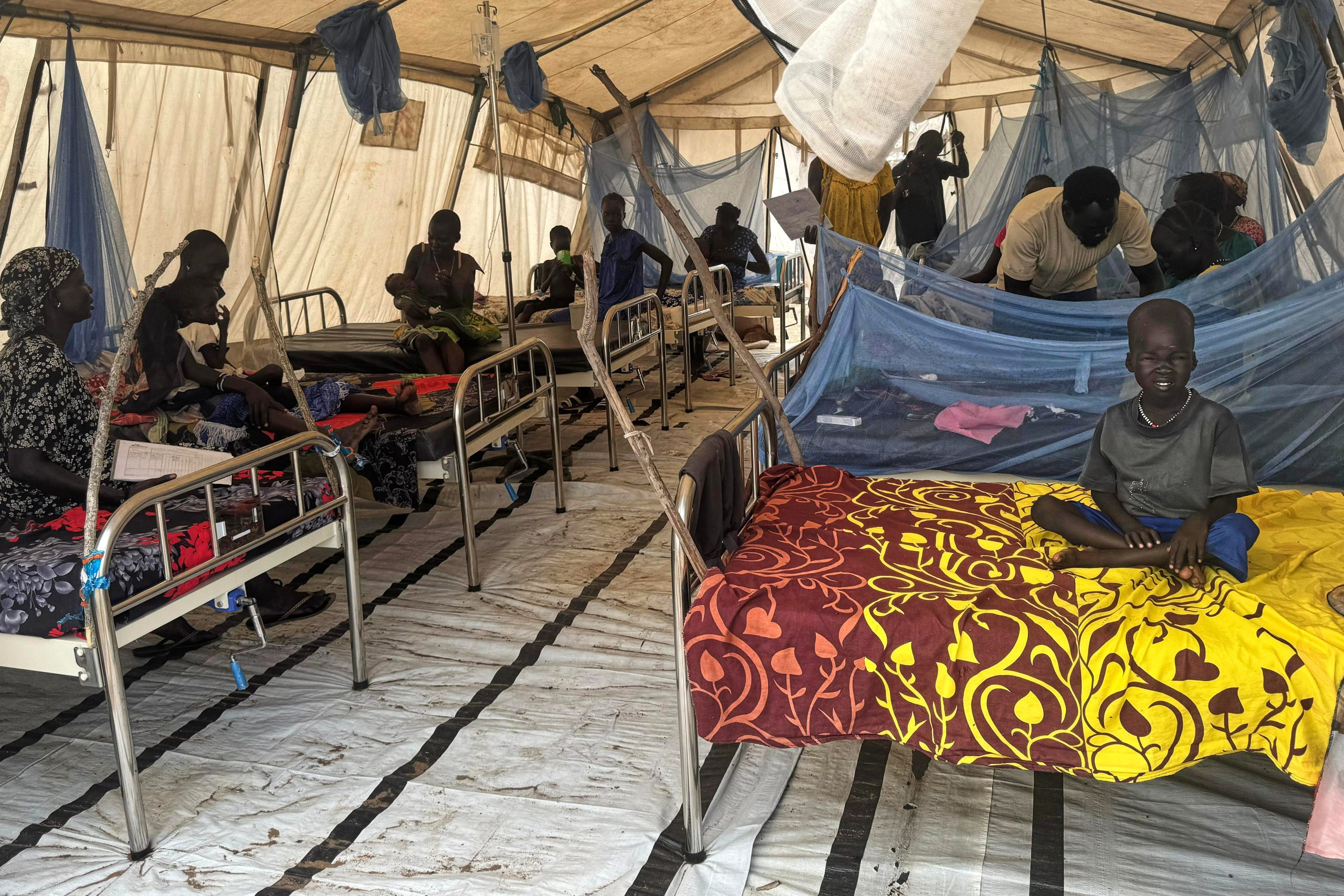
POLICY WIRE — Juba, South Sudan — The famine isn’t a force of nature here; it’s a meticulously engineered outcome, a brutal byproduct of political inertia and outright obstruction. While the world frets over geopolitical shifts, South Sudan’s political class continues its grotesque ballet of recrimination, leaving entire communities — quite literally — to wither.
It’s a grimly familiar tableau: aid convoys, laden with life-sustaining provisions, sit idle, their pathways deliberately stymied by a labyrinth of bureaucratic red tape, security concerns (often manufactured), and outright hostile posturing from both the Transitional Government of National Unity and various opposition factions. They aren’t just blaming each other for the denial of access; they’re performing a public, deadly pantomime, with the vulnerable as unwilling props. And for the inhabitants of places like Jonglei and Unity states, places perpetually teetering on the precipice, this isn’t abstract politics; it’s the gnawing emptiness in a child’s belly.
Behind the headlines, the country’s fragile peace agreement, signed with much fanfare in 2018, feels more like a provisional truce, a mere interlude between deeper acts of institutional paralysis. Humanitarian organizations, those often-beleaguered vanguards against absolute catastrophe, report increasingly brazen obstacles. Permissions evaporate. Checkpoints multiply. Local commanders, often acting with impunity or vague directives from on high, simply block routes.
“It’s the opposition’s deliberate destabilization tactics, plain and simple, that prevent us from reaching our own people,” shot back Michael Makuei Lueth, South Sudan’s Minister of Information, during a recent press briefing. “They’re weaponizing suffering, using hunger as a bargaining chip against legitimate authority. We cannot risk our personnel entering areas they control without assurances, assurances they consistently deny.” It’s a compelling narrative, particularly for those unfamiliar with the government’s own extensive history of impeding access.
But General Simon Gatwech Dual, a prominent figure among the opposition military factions, offers a starkly different, equally vehement, assessment. “The government talks of peace but starves its citizens — a calculated strategy to break wills, not to mention international law. We wouldn’t impede aid; it’s their control fetish, their paranoia, that blocks relief. They fear what aid workers might see, what truths might escape their iron grip.” Such mutual accusations, however convenient, do little to alleviate the immediate crisis. They just deepen the despair.
Still, the stakes couldn’t be higher. The UN Office for the Coordination of Humanitarian Affairs (OCHA) estimates that roughly 7.7 million South Sudanese, over two-thirds of the population, face severe food insecurity. That’s a staggering figure, one that dwarfs many ongoing humanitarian crises globally. It’s not just a statistic; it’s a national scandal playing out in slow motion.
This isn’t an isolated African tragedy. We’ve witnessed this very same playbook unroll in various forms across the globe, from the sieges in Yemen to the aid labyrinth in Afghanistan. Where political sclerosis and protracted conflict intersect, humanitarian imperatives inevitably morph into geopolitical chess pieces. The international community, often quick to pledge funds, finds its hands tied by the very sovereigns it seeks to assist, a stark reminder of deeper policy failures inherent in fragile state interventions.
What This Means
The perpetual obstruction of aid in South Sudan signals a profoundly dangerous trajectory, not merely for the immediate victims of hunger but for the entire concept of state sovereignty and humanitarian intervention. Politically, it showcases a leadership deeply entrenched in a zero-sum game, prioritizing narrow factional interests over foundational governance responsibilities. This persistent denial of basic services, including food and medical supplies, erodes any remaining shred of legitimacy the Transitional Government might cling to, potentially fueling renewed cycles of armed insurgency and communal violence. Economically, the implications are equally dire; a malnourished populace is an unproductive one, ensuring the nation remains locked in a dependency loop that stifles any genuine development drive. The international community, meanwhile, faces an escalating dilemma: how to deliver aid without inadvertently validating or strengthening the very regimes that obstruct it. It’s a Catch-22 with millions of lives hanging in the balance, a stark illustration that often, the most destructive weapon isn’t a bullet, but a withheld meal.