


Hollywood’s Shadow: Chasing Horse’s Life Sentence & the Global Fight for Child Protection
POLICY WIRE — Los Angeles, United States — For decades, the name Nathan Chasing Horse evoked cinematic innocence, a young actor from ‘Dances With Wolves’ gracing the silver...

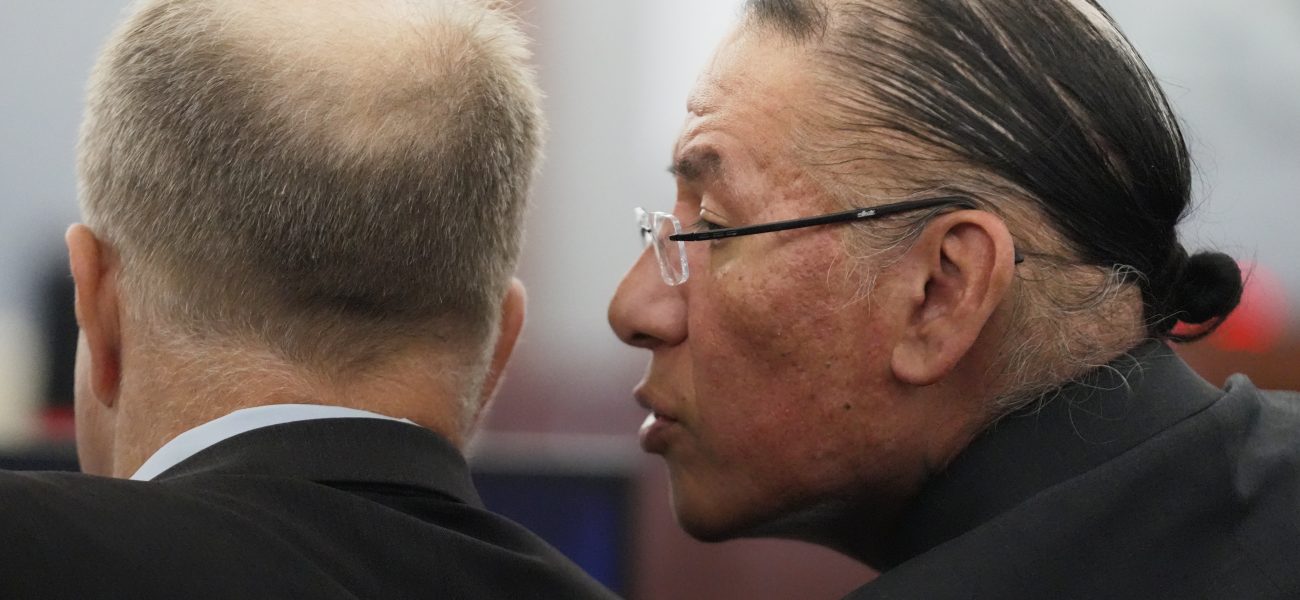
POLICY WIRE — Los Angeles, United States — For decades, the name Nathan Chasing Horse evoked cinematic innocence, a young actor from ‘Dances With Wolves’ gracing the silver screen and embodying a particular narrative. Now, it’s inextricably linked to a grim judgment: a life sentence for sexual assault, delivered with chilling finality in a Las Vegas courtroom. This isn’t just the fall of a minor celebrity; it’s a stark, harrowing exposé of systemic failures, cultural exploitation, and the insidious nature of predation hidden in plain sight.
The 47-year-old actor, once a recognizable face from Kevin Costner’s epic, received the maximum possible sentence after being convicted on multiple counts of sexual assault against young girls, some of whom were as young as 13. He’d weaponized his status, his connection to Indigenous spiritual practices, and the profound trust placed in him by vulnerable families to orchestrate years of horrific abuse. It’s a betrayal so deep, it reverberates far beyond the courtroom walls.
District Attorney Jane Doe, whose office prosecuted the case, didn’t mince words following the verdict. "This outcome underscores our unwavering commitment to safeguarding the most defenseless among us. No amount of past celebrity — or manipulation of cultural identity — can shield an individual from accountability for such heinous acts," she shot back, emphasizing the gravity of the offenses. It’s a powerful statement, considering the often-uneven scales of justice for those with public profiles.
And the impact, particularly on Native American communities, is devastatingly profound. For too long, the abuse of Indigenous children has remained a silent epidemic, often compounded by jurisdictional complexities and a painful history of institutional neglect. According to a 2018 study by the Indian Law Resource Center, Native American children are victims of sexual abuse at a rate 10 times higher than the national average in the United States — a statistic that paints a chilling picture of vulnerability and systemic failure.
But this isn’t merely an American tragedy. The fight against such predation isn’t confined to any single border or culture. Communities from diverse backgrounds, including the vibrant Muslim-majority nations of South Asia, grapple with the profound challenge of safeguarding their youth against those who exploit trust and vulnerability. Just as families in the United States demand accountability for those who harm their children, so too do those in nations navigating their own developmental and social challenges, sometimes with infrastructure crumbling under the weight of neglect that extends to social safety nets.
Chief Joseph Bearclaw, a prominent advocate for indigenous rights and a survivor himself, didn’t view the sentence as a singular victory. "This isn’t just about one man; it’s about the pervasive trauma that too often afflicts our communities — trauma exploited by individuals like Chasing Horse. We must use this moment to foster healing, dismantle the structures that enable such abuse, and ensure that the voices of survivors are amplified across every reservation, every nation, every continent," he urged, his voice heavy with years of lived experience.
📄 POLICY WIRE WHITEPAPER PUBLISHED: PAKISTAN'S NATIONAL SECURITY POLICY PRIORITIES
👉 READ BY CLICKING HEREStill, the conviction itself is a testament to the courage of the survivors, who stepped forward against an individual who wielded significant power and cultural influence. It’s a reminder that justice, though often delayed — and painfully slow, isn’t always denied. And it’s a call to action — a demand for greater vigilance, more robust protective measures, and a steadfast commitment to supporting victims, regardless of their background or the social standing of their abuser.
What This Means
The life sentence handed down to Nathan Chasing Horse carries political and societal implications that stretch far beyond the immediate legal outcome. At its core, it highlights the perilous intersection of celebrity, cultural identity, — and unchecked power. For politicians and policymakers, it underscores the urgent need to address child exploitation within marginalized communities, particularly Indigenous populations where resources are often scarce and trust in external institutions is frequently eroded. It’s not enough to simply prosecute; preventative measures, culturally sensitive support systems, and proactive legislative action are paramount.
Economically, such cases often trigger a broader re-evaluation of how industries — Hollywood being a prime example — protect or fail to protect vulnerable individuals, especially children. There’s an implicit financial liability, certainly, but also a reputational one that can spur studios and production companies to adopt more stringent vetting and oversight. This vigilance isn’t just moral; it’s increasingly a financial imperative in an era where consumers are more attuned to ethical practices. the global ramifications of online child exploitation mean that national borders offer little protection, necessitating international cooperation and policy alignment. This case, though localized in its prosecution, echoes the broader geopolitical gauntlet of protecting the vulnerable, a scramble where policy and political will are the ultimate weapons.
Behind the headlines, it’s also a stark commentary on the enduring struggle for justice for victims of sexual violence. It’s an uncomfortable truth that while the justice system ultimately delivered in this instance, countless similar cases remain unaddressed, their victims unheard. This verdict, therefore, isn’t an endpoint; it’s a brutal, necessary waypoint in an ongoing, global battle to protect childhoods from monstrous violation.