


Collegiate Dynasties and the New Economy: O’Neal’s Latest Move Reflects Shifting Power in Amateur Athletics
POLICY WIRE — Lexington, KY — In an era where collegiate athletics increasingly mirrors a professional league — replete with free agency, multi-million dollar contracts, and sophisticated brand...

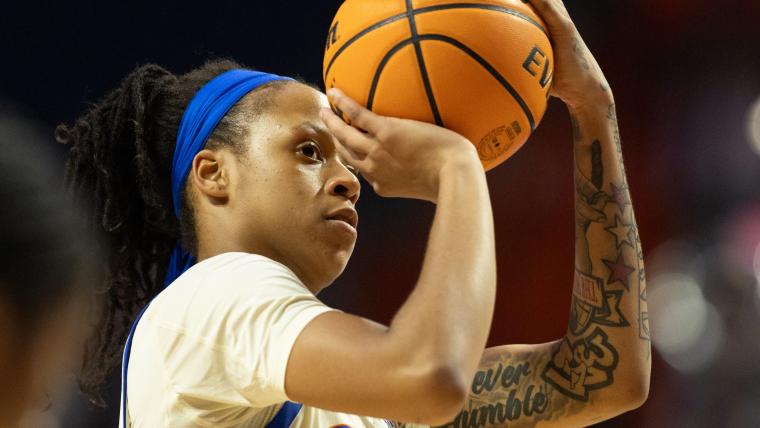
POLICY WIRE — Lexington, KY — In an era where collegiate athletics increasingly mirrors a professional league — replete with free agency, multi-million dollar contracts, and sophisticated brand management — the recent decision by Me’Arah O’Neal to transfer from Florida to Kentucky isn’t just a routine roster move; it’s a compelling case study in the evolving political economy of American sports. Her journey, a trajectory charted not just by athletic ambition but also by the potent forces of Name, Image, and Likeness (NIL) collectives and dynastic reputation, encapsulates a profound reordering of power dynamics.
It’s no longer merely about the whistle — and the scoreboard, is it? We’re watching a highly fluid market, one that treats blue-chip athletes as tradable commodities, their personal brands as nascent corporate entities. O’Neal, daughter of NBA legend Shaquille O’Neal, isn’t just a 6-foot-4 forward; she’s a walking, dribbling brand extension, her every pivot on the court — and off it — carrying significant economic weight. And her shift to Lexington underscores how top-tier programs are effectively building ‘super teams’ not just through recruitment, but aggressive acquisition via the burgeoning transfer portal.
“This isn’t just about athletic prowess anymore; it’s about brand valuation, market liquidity, and the emergent economy of collegiate celebrity,” shot back Dr. Aris Thorne, a senior fellow at the Center for Collegiate Commerce, in an exclusive interview. “Families like the O’Neals aren’t just sending their children to college; they’re deploying highly valuable assets into an increasingly competitive marketplace, one where the traditional amateur ideal has been, shall we say, significantly re-imagined.” His observation, often voiced in hushed tones behind athletic department closed doors, now resonates with undeniable public clarity. Athletic directors, Thorne noted, are becoming less coaches of teams and more managers of portfolios, their strategic outlook extending far beyond the next game.
The allure of a high-profile program, especially one led by a coach like Kenny Brooks, fresh off a Sweet 16 run, naturally plays a role. But behind the headlines of athletic aspiration lies a more intricate web of financial incentives and strategic positioning. For athletes like O’Neal, with an already robust social media presence and an undeniably recognizable surname, the choice of institution now comes with an implicit calculation of NIL earning potential and future professional prospects. It’s a calculated decision, one that prioritizes optimal conditions for personal brand growth as much as, if not more than, immediate playing time.
And this isn’t an isolated phenomenon. The NCAA’s grudging embrace of NIL has unleashed a torrent of capital into what was once a strictly amateur domain, transforming universities into unwitting incubators for athlete-entrepreneurs. According to On3 Sports, a leading tracker of NIL valuations, the top women’s basketball players can command upwards of $100,000 annually in NIL deals, with some elite male athletes crossing the seven-figure threshold. This influx reshapes recruitment, retention, and, frankly, the very spirit of collegiate sport.
📄 POLICY WIRE WHITEPAPER PUBLISHED: PAKISTAN'S NATIONAL SECURITY POLICY PRIORITIES
👉 READ BY CLICKING HERESo, where does this leave institutions that can’t compete in this high-stakes arms race? “We’re not just recruiting athletes; we’re negotiating with burgeoning enterprises,” lamented Evelyn Pierce, Athletic Director for a regional university in the Midwest, in a recent conference call. “It’s a constant battle for talent, — and the landscape changes daily. Frankly, it’s exhausting.” Her sentiment echoes through countless smaller programs, grappling with a new reality where tradition often bows to treasury.
Still, the implications extend beyond American campuses. The professionalization of collegiate sports, driven by individual branding, reflects a broader global trend of commercializing human capital across industries. This hyper-focus on individual athlete value, strikingly similar to the massive endorsement deals seen in international sports, has particular resonance in regions like South Asia. There, especially in cricket, familial legacies often propel athletes into the limelight, and the monetization of their personal brands is a significant economic engine, a phenomenon explored in India’s Cricket Extravaganza. The O’Neal name, much like the cricketing Tendulkar or Afridi surnames, carries an inherent market value — a phenomenon that transcends geographic borders and cultural contexts, connecting the SEC hardwood to the bustling stadiums of Lahore and Mumbai.
What This Means
Me’Arah O’Neal’s move isn’t just a sports headline; it’s a potent symbol of the seismic, and perhaps irreversible, shifts occurring within collegiate athletics. Economically, we’re witnessing the full maturation of a talent market previously constrained by antiquated amateurism rules. Athletes, particularly those with established brand equity like O’Neal, now wield unprecedented power, effectively becoming free agents in a constantly churning transfer portal. Universities, once the undisputed arbiters of athletic careers, are now competing not just on facilities or academic rigor, but on their ability to facilitate and capitalize on an athlete’s individual commercial potential. Politically, this signals a further erosion of the NCAA’s central authority, ceding control to booster collectives and individual agents. It’s a model that, while generating immense revenue and offering athletes newfound agency, raises profound questions about competitive balance, academic priorities, and the equitable distribution of resources. The SEC’s dominance, already significant, seems poised to accelerate as it consolidates top-tier talent through sheer economic force, setting a new, arguably unsustainable, precedent for the future of what was once ‘amateur’ sport.