

Triple Crown on the Brink: Horse Racing’s Modern Dilemma
POLICY WIRE — Louisville, Kentucky — The scent of mint juleps and roses, for generations synonymous with American horse racing’s most hallowed traditions, now carries an unsettling undertone: the...

POLICY WIRE — Louisville, Kentucky — The scent of mint juleps and roses, for generations synonymous with American horse racing’s most hallowed traditions, now carries an unsettling undertone: the whiff of radical change. It’s not just about a few extra days for a prized thoroughbred to recuperate; it’s a seismic collision between antiquated scheduling, unprecedented financial stakes, and the evolving physiology of elite equine athletes. The Triple Crown, that mythic gauntlet, finds itself at a precipice, not because a horse failed, but because its human caretakers are finally conceding the brutal truth: the modern racehorse simply isn’t built for yesterday’s impossible demands.
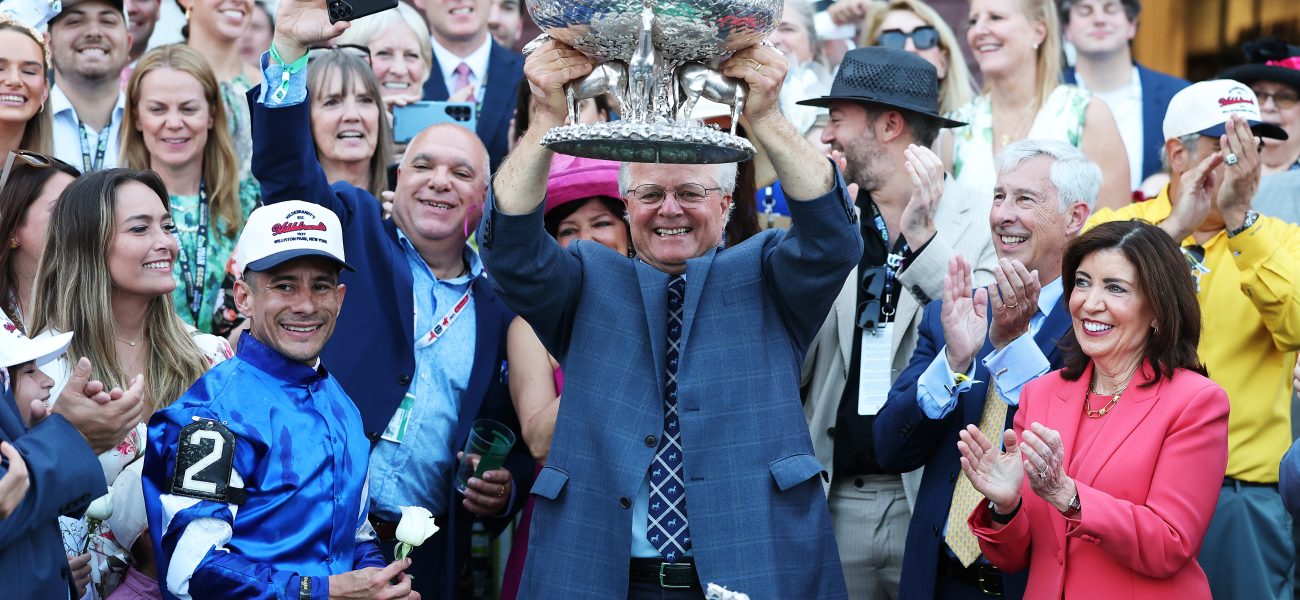
Trainer Bill Mott’s audacious decision last year, opting to bypass the Preakness with his Kentucky Derby victor, Sovereignty, wasn’t merely a strategic gambit; it was a gauntlet thrown. Michael Banahan, director of bloodstock for the formidable Godolphin racing empire, mused post-Derby – a calculated understatement that reverberated through the sport’s inner sanctums – "We’ll enjoy today; today was the goal." Mott himself, the morning after, further underscored the new reality: "I don’t think we’re dead set on it. I don’t think that’s the only thing we’re thinking about." This wasn’t just a trainer protecting his charge; it was a powerful statement against a rigid, time-honored schedule, signaling that the pursuit of immortality might finally be yielding to pragmatism and, indeed, sheer economic sense.
Behind this apparent concession to equine welfare lies a far more intricate, high-stakes power play. Last week, Churchill Downs, Inc., the venerable institution behind the Kentucky Derby, astonishingly snatched the intellectual property rights to the Preakness for a reported $85 million. This maneuver transforms a traditionally informal triumvirate into something much more consolidated, placing substantial leverage squarely in the hands of Louisville. While Churchill CEO Bill Carstanjen maintained on a recent earnings call that Maryland "is in control of the destiny of the Preakness," the acquisition itself feels less like an act of benevolence and more like a strategic consolidation, particularly given the labyrinthine bureaucracy surrounding Pimlico’s redevelopment. It’s a classic American power grab, folks, deftly packaged as industry stabilization.
The heart of this maelstrom isn’t just tradition; it’s cold, hard cash and the delicate genetics of the modern Thoroughbred. Contemporary horses, bred for blistering speed — and precocity, aren’t the iron-tough campaigners of yesteryear. Their racing careers are shorter, their bodies (it seems) more fragile. The financial incentive to preserve a Derby winner for a lucrative stud career — often commanding millions in fees, like American Pharoah — now decisively outweighs the ephemeral glory of a Triple Crown attempt that could risk injury and devalue the asset. This dynamic isn’t confined to Kentucky; it’s a global phenomenon. Major racing operations, often bankrolled by Middle Eastern powerhouses like Dubai’s Godolphin (Mott’s former client, incidentally), meticulously manage their bloodstock, viewing these animals as highly valuable, yet perishable, commodities. The global valuation of equine talent, whether destined for the plush paddocks of Kentucky or the burgeoning racing circuits in the Gulf states, hinges on both performance and longevity. A Triple Crown bid, fraught with risk, could jeopardize a future breeding empire.
So, trainers find themselves caught in a vexing bind. They respect the history, yes, but they also witness the toll on their charges. Chad Brown, a prominent New York-based trainer, didn’t mince words: "I don’t know if it’s sustainable. I don’t see how it can’t change at some point." He’s won the Preakness twice, notably with horses that sidestepped the Derby — a telling detail, wouldn’t you say? Brad Cox, another Derby winner (albeit via disqualification), echoes the sentiment, prioritizing equine welfare over outdated norms. "The health and welfare of the horse comes first over tradition," Cox asserted, reflecting a pervasive shift in professional ethos. The current 14-day gap between the Derby’s mile-and-a-quarter and the Preakness’s mile-and-three-sixteenths is, by today’s standards, an almost barbaric ask.
New York Racing Association (NYRA) President and CEO Dave O’Rourke, whose organization orchestrates the Belmont Stakes, acknowledges the simmering tensions but advocates for caution. "At the moment, we’re open to this dialogue," O’Rourke stated, a measured tone suggesting careful navigation through a minefield of vested interests. "I think if there’s going to be a change, it probably should be more in moderation than anything extreme because we’re playing with something that works so well." That "something that works so well" is, of course, a thinly veiled reference to the broadcast deals and sponsorship dollars that underpin the entire edifice. But then, is it working well if the premier talent keeps opting out?
📄 POLICY WIRE WHITEPAPER PUBLISHED: PAKISTAN'S NATIONAL SECURITY POLICY PRIORITIES
👉 READ BY CLICKING HEREAt its core, this isn’t just a scheduling dispute; it’s a referendum on horse racing’s future. The sport, long grappling with declining viewership and ethical concerns surrounding animal welfare, can ill-afford to lose the narrative surrounding its most prestigious series. Changing the Triple Crown’s spacing, potentially moving the Preakness a week later and subsequently adjusting the Belmont, isn’t a simple calendar tweak. It precipitates a cascade of logistical challenges for everyone from owners to television networks, who’ve staked significant sums on the current framework. But still, the precedent has been set: a Derby champion can skip a leg and still emerge the ultimate victor – Sovereignty proved that.
What This Means
This evolving saga carries profound implications for the sport, reshaping its economic architecture and competitive integrity. Politically, Churchill Downs’ aggressive acquisition of the Preakness’s intellectual property rights signals a definitive consolidation of power, potentially marginalizing other stakeholders in future negotiations. It’s a classic corporate play, leveraging financial might to dictate terms in a fragmented industry. Economically, shortening the demanding Triple Crown calendar would ostensibly enhance the long-term value of top thoroughbreds, protecting breeding careers that are increasingly central to owners’ financial strategies. Less risk of injury means more opportunities for stud fees, transforming these athletes into more reliable, long-term assets on the global equine marketplace. But it also raises questions about the "purity" of the achievement: does a less strenuous path diminish the feat itself? For aficionados, the debate boils down to an uncomfortable question: Is preserving a historically challenging test more important than ensuring the continued health and maximal economic potential of the animals who are its very foundation? The answer, for many, now leans heavily towards the latter, reflecting a broader societal shift towards animal welfare and a pragmatic understanding of modern genetics.
So, what’s next? Don’t expect an immediate, seismic overhaul. Any adjustment will be incremental, carefully negotiated to placate powerful broadcast partners and the various racing associations. But the notion that horse racing’s most iconic challenge is immutable has been irrevocably shattered. The horses, bless their fragile, million-dollar hearts, are demanding a new deal. And it looks like they’re finally going to get it.