

African Football’s Unresolved Paradox: Talent Abundance Meets Systemic Disarray
POLICY WIRE — Conakry, Guinea — The paradox is as stark as it’s persistent: Africa, a continent brimming with athletic prowess, a seemingly inexhaustible font of kinetic talent, too...

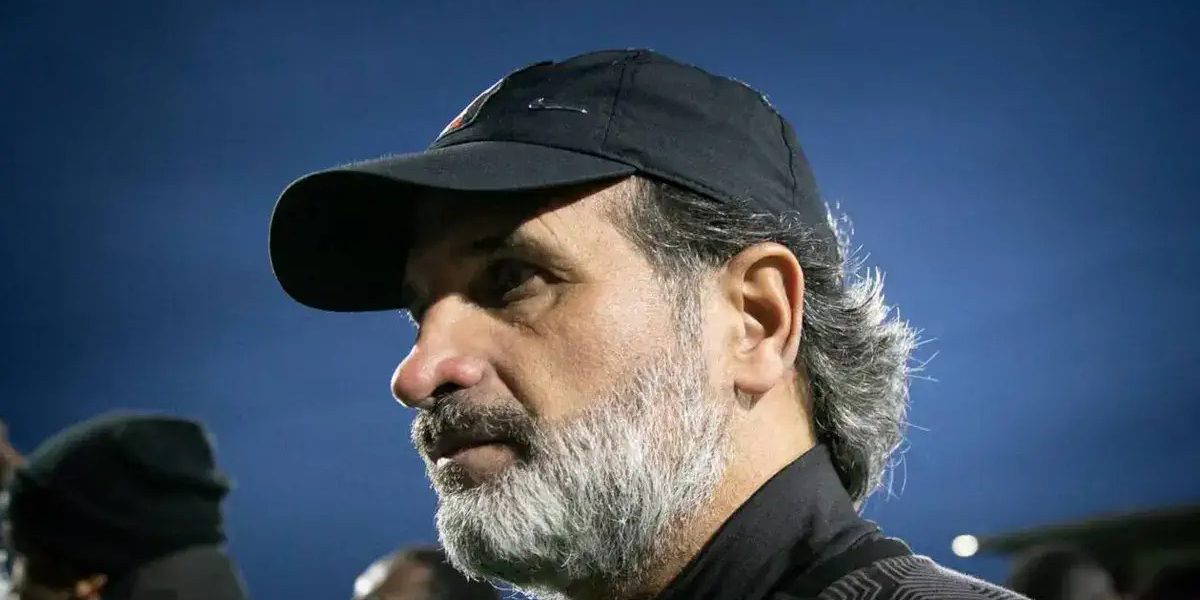
POLICY WIRE — Conakry, Guinea — The paradox is as stark as it’s persistent: Africa, a continent brimming with athletic prowess, a seemingly inexhaustible font of kinetic talent, too often sees its national footballing dreams dissipate into a frustrating haze of unfulfilled potential. It’s not for lack of stars — a casual glance at Europe’s top leagues confirms that much — but rather, it seems, a peculiar, often self-inflicted, systemic disarray that continues to hamstring progress. Into this maelstrom steps figures like Portuguese tactician Paulo Duarte, tasked with turning raw diamonds into a cohesive, gleaming unit for Guinea’s "Syli National."
Duarte, an experienced hand who’s steered Burkina Faso, Gabon, and Togo, finds himself wrestling with this continental conundrum. His current remit? Rejuvenate a Guinean squad awash with individual brilliance but — he asserts — historically bereft of discipline and strategic cohesion. "Frankly, I think it&rsquos a country with too much talent," Duarte recently opined to Foot Africa, his words carrying the faint tang of exasperation. "There are players everywhere, but over the years, the team has operated in a certain disorganization and lack of discipline." It’s a familiar refrain across the continent, isn’t it?
Behind the headlines of anticipated World Cup runs and CAF Champions League finals lies a deeper narrative — a critical examination of how nations leverage, or fail to leverage, their most precious resource: human capital. Guinea, much like many developing nations, faces an uphill battle retaining its dual-nationality stars, those players born or raised abroad who often represent stronger European club foundations. Duarte laments a lack of commitment from some top-tier talents, citing a handful who’ve "declined invitations." This isn’t merely a sporting issue; it’s an economic one, a brain drain mirrored in various sectors, where global opportunities often outshine domestic imperatives.
Still, Duarte isn’t one to mince words. He’s initiating a cultural revolution within the "Syli National," demanding unwavering commitment. "The priority is Guinea. First Guinea, then Guinea, and always Guinea above all else," he declared, laying down a gauntlet for prospective internationals. This sentiment resonates beyond the pitch, reflecting a broader governmental desire to foster national identity and loyalty — a particularly acute concern in diverse, sometimes fractious, states. For instance, the struggle to unite disparate regional identities under a single national banner, often seen in West African nations, finds its sporting parallel here.
The ubiquity of Portuguese coaches in African football — a topic Duarte touched upon — is itself a telling indicator. They’ve become sought-after for their "adaptability, tactical rigor, and understanding of modern football." This influx suggests that African federations, recognizing their internal structural frailties, are increasingly importing expertise to cultivate the discipline and strategic depth required to compete globally. It’s an acknowledgement that raw talent alone won’t suffice; it needs cultivation, organization, and professional stewardship. Dr. Fatima Zahra, a prominent sports sociologist at Rabat University, didn’t shy away from the stark reality. "African football’s inherent genius often suffers from an institutional fragility that foreign expertise, while not a panacea, attempts to mitigate," she told Policy Wire, "It&rsquos a complex ecosystem where passion clashes with persistent organizational shortcomings."
And it’s a global phenomenon. The algorithmic valuation of talent, whether in football or finance, transcends borders. The principles Duarte applies in Guinea — structure, discipline, collective purpose over individual whims — are the same ones driving success in any competitive field, anywhere. Consider how Fantasy Football rankings now reflect this unseen hand of global talent valuation, dissecting player utility beyond mere statistics. This isn’t just about athletic skill; it’s about a player’s adherence to a system, their marketability, and their perceived "coachability."
For African teams eyeing the 2026 World Cup, Duarte pins his hopes squarely on Senegal. "Today, I see a Senegal doing all of that," he enthused, referencing their newfound defensive solidity and proactive pressing. "A year — and a half ago, that wasn’t the case. So for me, today, Senegal is a massive force, a real powerhouse, and I believe they can go very far." Their evolution from a team reliant on individual brilliance to a disciplined, suffocating collective provides a template — an aspirational blueprint for nations like Guinea.
📄 POLICY WIRE WHITEPAPER PUBLISHED: PAKISTAN'S NATIONAL SECURITY POLICY PRIORITIES
👉 READ BY CLICKING HEREThis quest for footballing ascendancy holds particular weight in the Muslim-majority nations of Africa, where the sport often doubles as a powerful unifying force and a source of national pride. In countries stretching from Morocco to Mali, success on the pitch can be a potent soft power tool, distracting from domestic woes and projecting a positive image abroad. It fosters a collective identity, much like cricket does in Pakistan — and parts of South Asia. The communal joy — or despair — of a major tournament offers a shared emotional landscape, a brief respite from the often-harsh realities of daily life. According to a 2022 FIFA report, football participation rates in Africa soared by 35% over the preceding decade, underscoring its pivotal role in youth engagement and development.
What This Means
At its core, the narrative of African football is a microcosm of broader developmental challenges. Paulo Duarte’s struggle to instil discipline in Guinea is more than a coaching headache; it’s a commentary on governance, accountability, and the economic allure of external markets. The "player using the national team rather than serving it" mentality speaks volumes about a perceived lack of professional structures and consequences at home. This isn’t unique to Guinea; it’s a pervasive issue that undermines state-building efforts, not just in sports but in public administration and resource management. The consistent export of raw talent to Europe, while economically beneficial for individuals and (sometimes) clubs, starves domestic leagues of their best assets, stunting local growth and infrastructure development. Policy-wise, this calls for stronger national sports federations, rigorous youth development programs that retain talent, and more robust anti-corruption measures. An earnest commitment to these facets could transform not just African football, but broader societal structures too, fostering a sense of shared purpose that extends far beyond the final whistle. As Senegal demonstrates, structured excellence can indeed triumph over mere individual flair, offering a blueprint for both athletic and national success.
Mr. Omar Diallo, Guinea’s Minister of Youth and Sports, articulated this challenge with a measured solemnity during a recent press conference: "Our greatest asset is our youth, and their enthusiasm for football is unparalleled. But unless we provide coherent pathways, sound governance, and a culture of unwavering commitment, we risk squandering this magnificent potential." It’s a policy challenge, first and foremost, a test of will and strategic foresight. And it won’t be an easy fix, not by a long shot.