


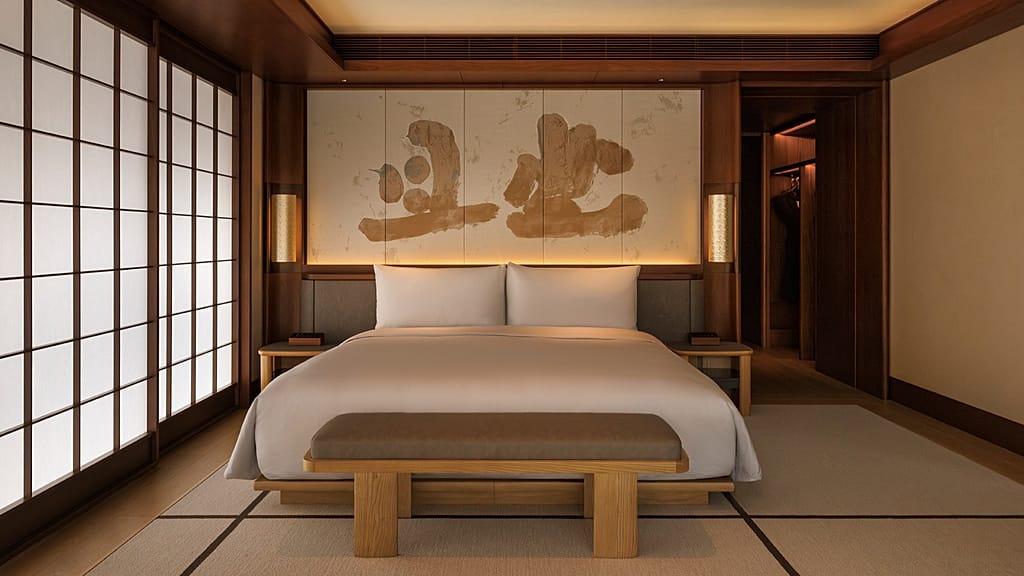
Tokyo’s Golden Sprawl: Japan’s High-Stakes Bet on Luxe Tourism Amidst Demographic Twilight
POLICY WIRE — Tokyo, Japan — It’s not simply about new bedsheets and infinity pools. Behind the glossy brochures touting Japan’s impending wave of ultra-luxury hotel openings for 2026 lies a far more...

POLICY WIRE — Tokyo, Japan — It’s not simply about new bedsheets and infinity pools. Behind the glossy brochures touting Japan’s impending wave of ultra-luxury hotel openings for 2026 lies a far more intricate geopolitical calculus – a desperate, yet sophisticated, gambit to re-engineer an economy grappling with demographic senescence and persistent deflationary pressures. Don’t mistake these opulent towers for mere hospitality ventures; they’re strategic assets in a meticulously planned national revival.
Japan, a nation often characterized by its graceful traditions and technological prowess, isn’t just welcoming tourists anymore; it’s chasing high-net-worth individuals with a palpable urgency. The upcoming deluge of bespoke accommodations, ranging from urban sanctuaries to remote ryokan re-imaginings, signals a concerted shift. It’s an embrace of what some analysts have dubbed “luxury capitalism,” a deliberate appeal to global elites whose spending habits can inject desperately needed foreign currency and prestige into the archipelago’s veins.
And so, as the world fixates on the sleek lines of a new Four Seasons or the understated elegance of a re-imagined Aman, the real story unfolds quietly in the finance districts of Tokyo. The government isn’t just facilitating construction; it’s cultivating an ecosystem. It’s a deliberate pivot, a wager that the allure of meticulous service, unparalleled cuisine, and seamless cultural immersion can offset the profound long-term challenges of a shrinking, aging domestic workforce. They’re betting big, aren’t they?
“We’ve identified a critical opportunity to diversify our economic base and enhance Japan’s global competitiveness,” observed Hiroshi Tanaka, State Minister for Tourism, during a recent press briefing, his tone measured but firm. “These high-end developments aren’t just about rooms; they’re about attracting significant investment, fostering innovation in service industries, and projecting our cultural influence on a grander scale.” It’s less about simply filling hotel rooms, you see, and more about filling an economic void.
Still, the stakes are undeniably high. Japan recorded a pre-pandemic peak of 31.88 million foreign visitors in 2019, a figure the government now explicitly aims to surpass, eyeing significantly higher per-visitor spending. This isn’t a return to business as usual; it’s an escalation. Part of that strategy involves a conscious outreach to emerging markets of wealth, particularly from the Middle East and parts of South Asia. The discreet elegance and halal-friendly options increasingly woven into these new luxury offerings aren’t incidental; they’re tailored.
Take Pakistan, for instance, a nation often overlooked in traditional Western tourism marketing. Its burgeoning elite and diaspora, seeking unique travel experiences, represent a valuable, untapped demographic for Japan. “The Japanese approach to hospitality – its blend of tradition and modernity, its emphasis on respect and refined aesthetics – holds immense appeal for discerning travelers across the Muslim world,” stated Ambassador Fahad Siddiqui, Pakistan’s economic attaché in Tokyo, emphasizing the potential for deep cultural exchange alongside economic benefit. “We’re seeing genuine efforts to make Japan not just accessible, but genuinely welcoming to our communities.”
📄 POLICY WIRE WHITEPAPER PUBLISHED: PAKISTAN'S NATIONAL SECURITY POLICY PRIORITIES
👉 READ BY CLICKING HEREBut the expansion isn’t without its critics or its ironies. While foreign capital pours into these towering edifices, domestic debate simmers over labor shortages and the rising cost of living in prime urban centers. It’s a classic tension: global ambition clashing with local realities. This relentless pursuit of high-value tourism mirrors other nations grappling with industrial shifts and the redefinition of their global role – a reckoning for their economic future, really.
What This Means
This aggressive push into the luxury hospitality sector is more than an economic initiative; it’s a strategic gambit that underpins Japan’s long-term geopolitical positioning. On one hand, it’s a pragmatic response to an aging population and a stagnant domestic economy, effectively importing demand and wealth. By attracting an affluent global clientele, Japan aims to cement its status not just as a cultural destination, but as a premier hub for international commerce and leisure, thereby enhancing its soft power in a region increasingly dominated by competing influences. Don’t forget that.
Conversely, this strategy isn’t without significant risks. It exacerbates issues of labor scarcity in service sectors – an irony for a country seeking to offset demographic decline. an over-reliance on external wealth could create a two-tiered economy, widening the chasm between locals and the ultra-rich visitors. The policy implicitly prioritizes external perceptions and capital over addressing deeply rooted internal socio-economic challenges, a dangerous tightrope walk for any nation. It’s a gamble that the allure of a meticulously crafted, high-end experience will distract from – or perhaps even solve – the quiet crises brewing beneath the surface of Japan’s gleaming future.