


Hosting the World’s Lens: Media Facilitation in High-Stakes Diplomacy
At moments of high-stakes diplomacy, it is not only leaders and negotiators who shape outcomes, but also those who document, interpret, and broadcast events to the world. The recent arrangements for...

At moments of high-stakes diplomacy, it is not only leaders and negotiators who shape outcomes, but also those who document, interpret, and broadcast events to the world. The recent arrangements for foreign journalists covering the Islamabad Talks reflect a growing recognition that global perception is inseparable from diplomatic engagement. By prioritizing media facilitation, Pakistan has demonstrated an understanding of how modern diplomacy operates in an interconnected and information-driven age.
The arrival of approximately 50 foreign journalists from countries such as China, Saudi Arabia, Japan, Germany, and Korea signals the international weight of the talks. These are not routine negotiations but discussions that have captured global attention. In such an environment, ensuring that journalists can report freely, efficiently, and accurately becomes an essential component of the diplomatic process itself.
One of the most significant measures introduced was the visa-on-arrival facility for journalists from the United States and Iran. This decision reflects a pragmatic approach to diplomacy, where access is prioritized over bureaucracy. In a profession defined by immediacy, delays in visa processing can limit the scope and quality of reporting. By removing such barriers, the host country enabled timely coverage, reinforcing its commitment to openness and engagement.
Equally noteworthy is the establishment of a centralized Media Facilitation Centre at the Jinnah Convention Centre. Bringing journalists together under one roof, equipped with high-speed internet, technical resources, and dedicated workspaces, reflects a level of organization aligned with international best practices. Such arrangements not only improve efficiency but also ensure consistency in the quality of reporting emerging from the venue.
The strategic location of the media centre near Islamabad’s Red Zone further enhances its effectiveness. For journalists covering sensitive and rapidly evolving negotiations, proximity to key decision-making spaces is invaluable. It allows for real-time reporting, quicker access to briefings, and a deeper engagement with unfolding events. In an era where news cycles move within minutes, this logistical advantage cannot be overstated.
However, the significance of these arrangements extends beyond infrastructure. The emphasis on hospitality, including meals, refreshments, and rest areas, reflects an awareness of the demanding nature of journalistic work. Covering high-stakes talks often involves long hours, tight deadlines, and constant pressure. By addressing these needs, the organizers created an environment conducive to productivity and professionalism.
At a broader level, these efforts highlight the role of media facilitation as a tool of soft power. Nations today are not only judged by the outcomes of their diplomatic engagements but also by how they present themselves during the process. Efficient media management, transparency, and accessibility contribute to shaping international perceptions. In this sense, the arrangements for foreign journalists were as much about communication strategy as they were about logistics.
📄 POLICY WIRE WHITEPAPER PUBLISHED: PAKISTAN'S NATIONAL SECURITY POLICY PRIORITIES
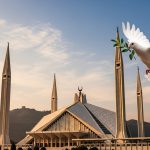
👉 READ BY CLICKING HEREThe branding of the venue, with visible banners, flags, and digital promotion through hashtags like #IslamabadTalks, further underscores this point. Diplomacy in the 21st century is as much about optics as it is about substance. Ensuring that the event is visually and digitally accessible amplifies its global reach and impact.
Importantly, these arrangements were made in the context of what has been described as a remarkable moment for peace. In such circumstances, accurate and timely reporting becomes critical, not only for informing the global audience but also for maintaining transparency and accountability. By facilitating this process, the host country contributes to a more informed and engaged international community.
In conclusion, the extraordinary arrangements for foreign journalists during the Islamabad Talks reflect a sophisticated understanding of contemporary diplomacy. They demonstrate that managing information, enabling access, and shaping narratives are integral to successful international engagement. As global attention increasingly converges on moments like these, the ability to host the world’s lens effectively may well become as important as the negotiations themselves.
Author