
Islamabad at the Center of Historic US-Iran Peace Talks
Pakistan has once again shown the world that it is a true champion of peace. In April 2026, Pakistan played a historic role in bringing the United States and Iran to the negotiating table after...
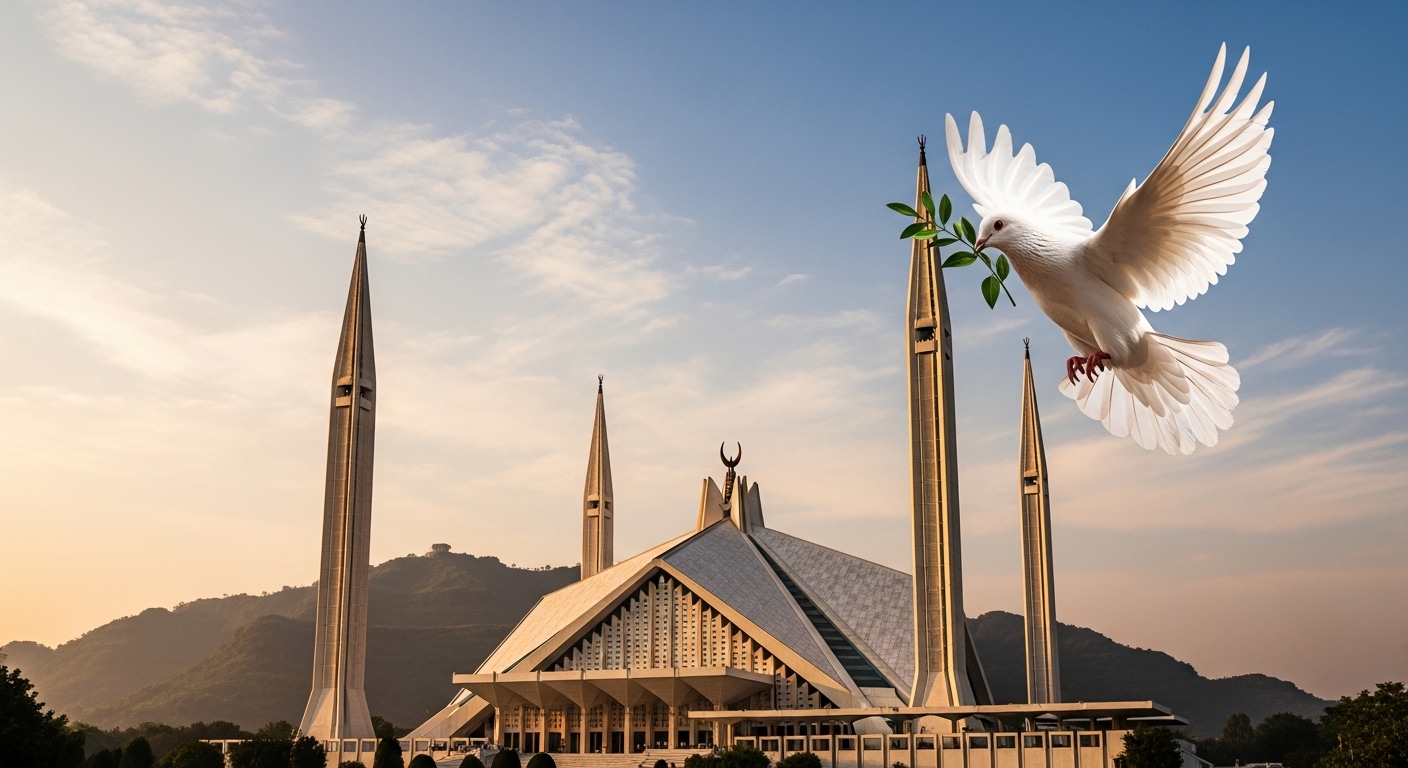
Pakistan has once again shown the world that it is a true champion of peace. In April 2026, Pakistan played a historic role in bringing the United States and Iran to the negotiating table after decades of deep tension. Through sincere and skillful diplomacy, the country successfully secured a two-week ceasefire and hosted direct high-level talks in Islamabad. This effort beautifully demonstrated the powerful idea that neutral and patient mediation can create space for dialogue even in the most difficult and long-standing conflicts, proving that honest bridge-building can turn silence into hope. United Nations Secretary-General António Guterres praised Pakistan’s initiative, calling it “a significant and constructive contribution to regional de-escalation and global peace.” Staying completely neutral, Pakistan did not take any side. Its only objective was to stop the violence and protect innocent lives.
The effort was led by Pakistan’s Deputy Prime Minister and Foreign Minister Ishaq Dar, along with strong support from Prime Minister Shehbaz Sharif and Field Marshal Syed Asim Munir. Both the American and Iranian sides openly praised Pakistan’s work. US Vice President JD Vance, who led the American team, gave special thanks to Pakistan’s leaders. He said the Pakistanis “did an amazing job” and added that “whatever shortcomings” there were in the talks, “it wasn’t because of the Pakistanis.” Vance also appreciated Prime Minister Shehbaz Sharif and Field Marshal Syed Asim Munir for their help.
On the Iranian side, Foreign Minister Abbas Araghchi thanked Pakistan warmly. In clear words, he expressed “gratitude and appreciation” to Prime Minister Shehbaz Sharif and Field Marshal Syed Asim Munir for their “tireless efforts to end the war in the region.” Iran accepted the ceasefire partly “in response to the brotherly request” from Pakistan’s leaders. These honest words from both sides show the trust the world has in Pakistan’s fair and honest diplomacy.
The talks in Islamabad were long and serious. For more than 31 hours of continuous diplomacy across multiple sessions, the two sides sat together in intense sessions. Pakistan’s team worked non-stop to keep the dialogue going. They arranged everything, listened to both countries, and helped bridge the gaps where they could. This kind of continuous, round-the-clock diplomacy is very rare. It proves how sincere and competent Pakistan was in its role as mediator.
A lot of positive ground was covered. Both the US and Iran got to speak directly after many years. They understood each other’s views better. Some useful ideas came up during the talks. But everyone knows this is a very old, complicated conflict with many difficult issues. There are deep differences, and outside pressures also played a part. Still, Pakistan stayed calm and focused. It kept both sides talking even when things were tough.
The results depended on the two main parties. The United States and Iran each had their own domestic audiences and long-term interests to think about. A mediator cannot force a full agreement when big problems remain. But Pakistan gave everything it had. It made an effort that people are calling one of its biggest diplomatic successes in years. This work was a true gift to regional and global peace.
US Vice President JD Vance’s words after the talks gave a ray of hope. He not only praised Pakistan’s amazing job but also mentioned the offers discussed during the mediation. This shows that even a superpower noticed and valued Pakistan’s sincere work.
Both the US and Iran now have a much clearer picture of where the other stands. This understanding itself is a big step forward. From here, they can only move ahead with more talks. Small steps today can lead to lasting peace tomorrow.
Pakistan’s role was only that of a neutral mediator. It cannot share the secret details of the negotiations because of confidentiality. Pakistan brought the two sides together, helped arrange the ceasefire, and hosted the talks in Islamabad. The rest was always up to the United States and Iran. This professional and honest approach has won Pakistan respect from all sides.
📄 POLICY WIRE WHITEPAPER PUBLISHED: PAKISTAN'S NATIONAL SECURITY POLICY PRIORITIES
👉 READ BY CLICKING HEREPakistan played a truly great innings in this diplomatic match. It worked harder than anyone expected. It stayed neutral, patient, and committed even when the road looked difficult. In a world where many countries only care about their own interests, Pakistan stood up for peace for the whole region and beyond. Leaders and people around the globe have noticed this.
The people of Pakistan can feel proud. Their country once again proved it is a responsible nation that believes in dialogue instead of conflict. When others could not bring old rivals together, Pakistan succeeded. It turned decades of silence into hours of face-to-face talks. It stopped violence and opened a door for hope.
This success is not just about one ceasefire or one round of talks. It is about Pakistan’s growing place in the world. It shows that Pakistan can help solve big global problems even while facing its own challenges. It proves that honest mediation can make a real difference.
As the two sides return home, they carry the understanding that Pakistan helped create. The path ahead may still be long and hard. But because of Pakistan’s sincere and competent efforts, the journey has become a little easier and brighter.
Pakistan did not do this for praise or reward. It did this because it truly believes in peace. It believes that talking is always better than fighting. It believes that the lives of ordinary people matter more than any dispute.
This is why Pakistan’s effort stands out so clearly. It was not just smart diplomacy, it was a real service to humanity. The whole nation can hold its head high. Pakistan played an outstanding innings and earned the thanks and respect of the United States, Iran, and the wider world.
Author