

Pakistan Extends Support as Southeast Asia Floods Kill 600+
The recent floods and landslides in Southeast Asia highlight a sobering reality: extreme weather events are no longer isolated occurrences but systemic threats intensified by climate change. Rising...

The recent floods and landslides in Southeast Asia highlight a sobering reality: extreme weather events are no longer isolated occurrences but systemic threats intensified by climate change. Rising global temperatures, unpredictable monsoon patterns, and stronger tropical storms are placing millions across Asia in increasingly vulnerable positions. Pakistan—having itself faced devastating floods and landslides in recent years—understands these risks firsthand. Its own climate-driven disasters inform its empathetic and proactive response to the suffering in neighboring regions.
The Tragedy Unfolds: Floods Ravage Indonesia, Thailand, and Malaysia
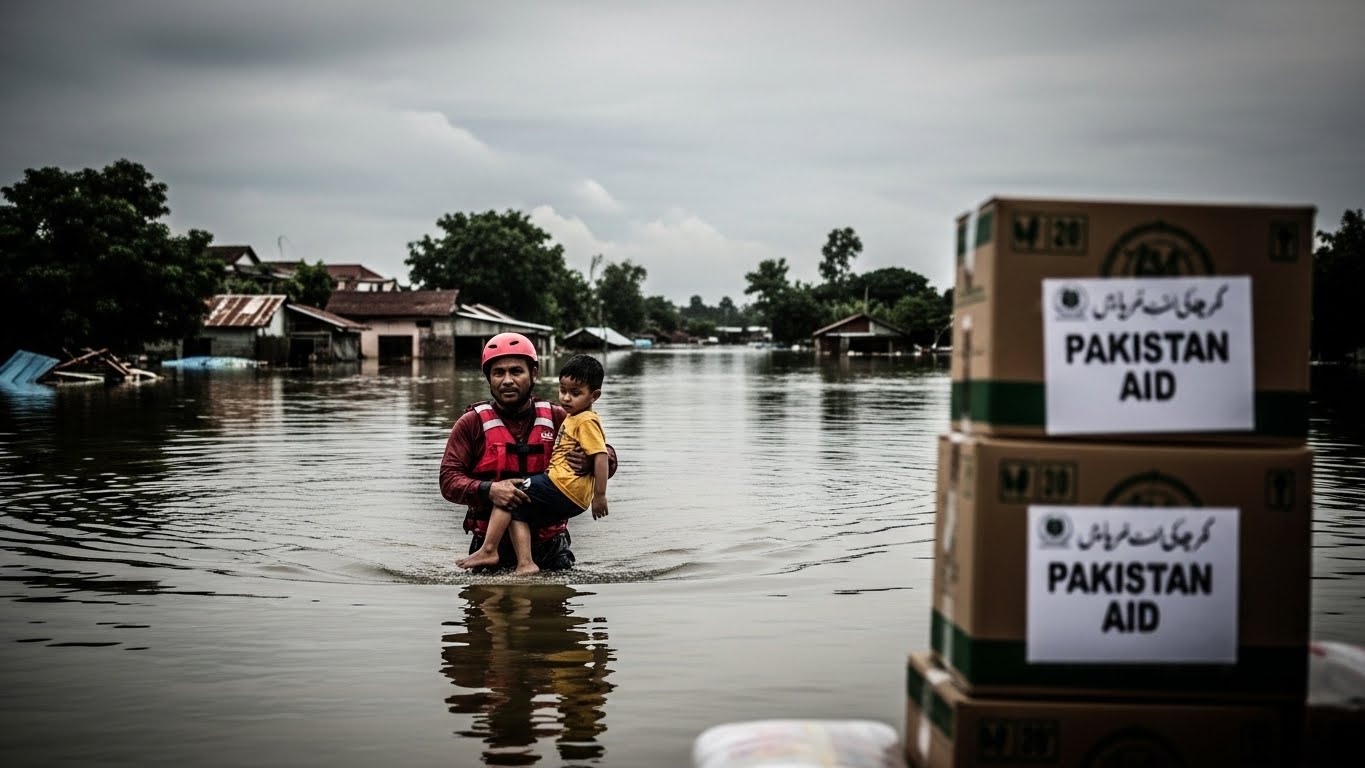
In late November 2025, a rare tropical storm formed over the Malacca Strait, bringing torrential rain and widespread flooding to Indonesia, Thailand, and Malaysia. The disaster’s toll has been devastating: over 600 lives lost, millions displaced, and extensive destruction of homes and infrastructure.
Indonesia’s western Sumatra island has been hit hardest, with landslides burying villages and cutting off access to rescue teams. Southern Thailand—including Hat Yai and Songkhla—recorded historic rainfall that caused river overflows and submerged large urban and rural areas. In Malaysia, the northern and northeastern states experienced severe flooding, prompting mass evacuations to emergency shelters. Tens of thousands remain displaced or unreachable due to damaged roads and infrastructure.
Rescue Efforts and Ongoing Challenges
Governments and disaster-response agencies have mobilized extensive operations:
- In Sumatra, helicopters and naval vessels are delivering essential supplies to isolated communities.
- In Thailand, authorities have opened temporary shelters, initiated clean-up operations, and provided compensation, though logistical challenges persist given widespread damage.
- In Malaysia, officials continue monitoring at-risk areas and managing ongoing evacuations.
Despite these efforts, the scale of devastation underscores the urgent need for international cooperation and robust disaster-preparedness strategies.
Pakistan’s Empathetic Response
From Islamabad, President Asif Ali Zardari extended heartfelt condolences to victims’ families and expressed solidarity with the governments and peoples of Indonesia, Thailand, and Malaysia. Pakistan emphasized that it “understands the pain and uncertainty caused by such disasters” and committed to working with regional and international partners to provide assistance within its means.
Pakistan’s stance is shaped by its own lived experience. Catastrophic floods that displaced millions and caused major economic losses make its empathy both authentic and informed. This allows Pakistan to support Southeast Asian nations not just symbolically but with relevant disaster-management insight. Through moral support and potential practical assistance, Pakistan demonstrates leadership in regional humanitarian engagement.
Cooperation and Preparedness
The floods offer critical lessons for policymakers across Asia:
📄 POLICY WIRE WHITEPAPER PUBLISHED: PAKISTAN'S NATIONAL SECURITY POLICY PRIORITIES
👉 READ BY CLICKING HERE- Early Warning & Resilient Infrastructure:
Investments in flood-control systems, disaster-resistant urban planning, and efficient early-warning technologies are essential to protect lives and property. - Regional Coordination:
Extreme weather events often exceed the capacity of individual nations. Shared resources, coordinated response, and joint humanitarian operations can save lives and speed up recovery. - Climate Action:
The disaster underscores the urgency of climate-adaptive policies and sustainable development. Extreme rainfall, unusual storms, and rising sea levels demand collective action.
Pakistan’s Leadership in Regional Humanitarianism
Pakistan’s proactive stance enhances its regional and diplomatic credibility. By offering solidarity and potential support, Islamabad reinforces the idea that nations facing shared climate threats must act collectively.
This gesture goes beyond diplomacy—Pakistan positions itself as a partner capable of contributing experience, resources, and strategic insight. It also reflects a broader principle: humanitarian empathy and statecraft can coexist. In moments of disaster, moral and logistical support not only alleviates suffering but strengthens regional cooperation and resilience.
Moving Forward: Solidarity in Action
As Indonesia, Thailand, and Malaysia continue recovery and relief operations, millions still require food, shelter, and medical assistance. Pakistan’s engagement demonstrates how empathy, coupled with strategic foresight, can meaningfully reduce suffering and strengthen regional ties.
The Southeast Asia floods serve as both a warning and a call to action. They highlight the accelerating risks posed by climate change and the necessity of preparedness, cooperation, and shared responsibility. Pakistan’s response offers a model of compassionate leadership in a world increasingly shaped by environmental uncertainty.
Author