


AI’s Workforce Redefinition: The Human Edge in an Augmented Era
POLICY WIRE — San Francisco, California — The shadowy presence of artificial intelligence has haunted the global workforce for years, summoning nightmarish visions of robots replacing human hands en...

POLICY WIRE — San Francisco, California — The shadowy presence of artificial intelligence has haunted the global workforce for years, summoning nightmarish visions of robots replacing human hands en masse.
For many, the very mention of AI sends a shiver down one’s spine, a gnawing fear that their skills, their very livelihoods, are simply next on the algorithmic guillotine. But what if the real threat isn’t the machine itself, but rather our reluctance to master it? A grim irony.
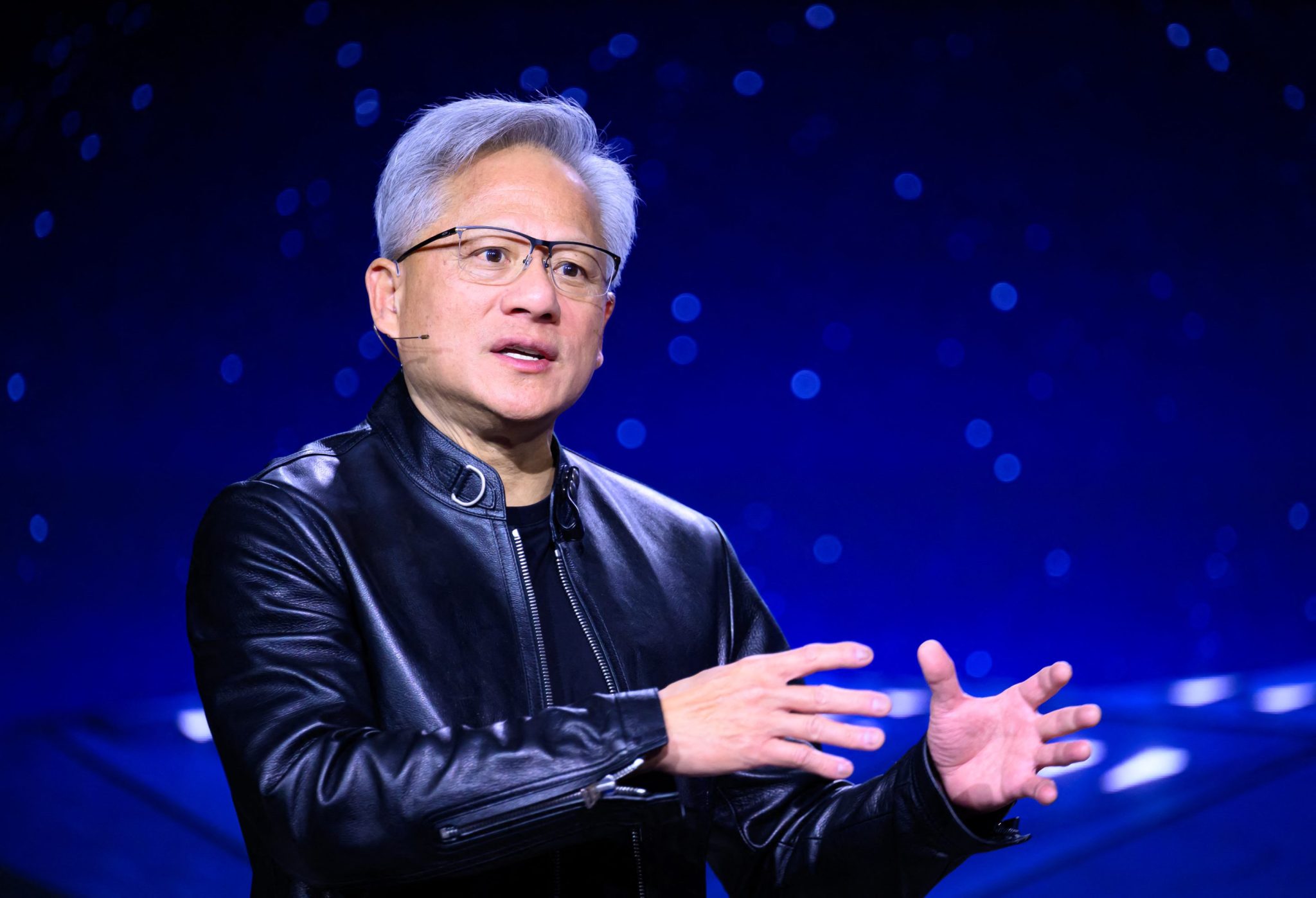
That’s the unsettling proposition put forth by Nvidia CEO Jensen Huang, a man whose company is practically inextricably linked with the AI revolution. He’s argued, quite pointedly, that the danger isn’t losing your job to AI directly. No, he suggests, you’ll lose it to the coworker who *does* use AI.
This isn’t just semantics; it’s a tectonic shift in perspective, a fundamental reframing of the challenge facing businesses and governments alike. The question shifts from if AI will impact work to how humans integrate with it, turning potential upheaval into a competitive advantage (a savvy move, if you ask me). It’s a bitter pill for those hoping to simply weather the storm.
The New Workforce Paradigm
Huang’s message signals a seismic shift in the ongoing dialogue about technological unemployment. For decades, the concern centered on automation’s ability to perform repetitive, manual tasks faster — and cheaper. Now, AI is demonstrating a remarkable prowess in cognitive functions previously considered exclusively human realms, from creative writing to complex problem-solving.
Lest there be any doubt, this isn’t about AI being a gentle assistant. It’s about a tool that, in the hands of a skilled human, exponentially amplifies output — and efficiency. The math is unvarnished: one person leveraging advanced AI could potentially accomplish the work of several unaugmented individuals. Just ponder that for a sec.
“We’re not seeing a wholesale replacement of people,” Huang said recently, in a statement echoing his consistent stance on the matter. “What we’re seeing is a profound augmentation. The human who embraces AI becomes a superpower, and the company that equips its people with AI will simply outperform those that don’t. It’s an arms race for productivity, — and the best weapon is human ingenuity powered by AI.”
This reality forces a pressing necessity for recalibration of educational systems, corporate training programs, and governmental policy frameworks. How do we even begin to prepare a generation for a job market — a dizzying, ever-shifting landscape where the most coveted skill might be the rather esoteric ability to collaborate fluidly with an intelligent algorithm, a digital partner as it were — without first shaking up our venerable educational systems, corporate training programs, and governmental policy frameworks?
Related: Collegiate Recruiting’s New Economy: A Policy Challenge Unfolding on the Gridiron
Global Adaptations and Policy Imperatives
The implications of this shift reverberate across the globe, particularly in nations jockeying for economic ascendancy. Take Pakistan, for instance, a country with a vast, young workforce and immense potential in the digital services sector. For Islamabad, embracing AI isn’t just about economic growth; it’s about staying competitive in a rapidly evolving global talent landscape. No choice, really. A nation, not unlike many others, now staring down the barrel of the AI revolution, eh?
And policy initiatives there must focus on digital literacy, STEM education, and fostering an ecosystem where local businesses can adopt AI tools without crippling expenses. Otherwise, its swelling ranks of youth might find themselves outmaneuvered not by distant robots, but by peers in other nations equipped with superior digital tools.
Data from PwC’s Global AI Study suggests that AI could contribute up to $15.7 trillion to the global economy by 2030. A significant portion of this growth hinges on successful human-AI collaboration rather than pure automation. Countries failing to adapt risk being left behind. Utterly.
Not everyone shares Huang’s rosy depiction, of course. Critics still warn of sweeping displacement — and the need for universal basic income (a familiar refrain, granted). But perhaps that’s missing the point. The debate should perhaps shift from job *elimination* to job *transformation*.
“The challenge isn’t preventing AI from entering the workplace; it’s ensuring our workforce is prepared to wield it as a strategic asset,” observed Cecilia Rouse, former Chair of the Council of Economic Advisers under President Biden, during a recent policy forum. “Governments, educators, — and industries must collaborate now to reskill and upskill at an unprecedented pace. The future of work isn’t just about technology; it’s about human capital development.”
So, this sentiment highlights the weighty mandate policymakers bear in shaping the coming decades. It’s about more than just fostering innovation; it’s about equitable access to the tools of innovation.
What This Means
The shift Huang describes isn’t merely technological; it’s a deep, societal, — and geopolitical maelstrom. It suggests that the competitive advantage in the future workforce won’t belong to the largest corporations or the most technologically advanced nations necessarily, but to those agile enough to integrate AI into their human workflows effectively.
For individuals, this demands a continuous learning mindset. For educational institutions, it means rapidly evolving curricula to teach AI fluency, not just programming. For governments, it necessitates robust public-private partnerships to facilitate widespread access to AI training and infrastructure.
The true battleground isn’t AI vs. human. It’s human-with-AI vs. human-without-AI — a digital arms race playing out not with missiles but with algorithms, a dynamic that’ll radically reshape everything from national competitiveness to social equity, creating chasm-like divisions if left unchecked.
The edict, then, is clear: seize these instruments, understand their capabilities, and weave them into our professional lives. If we don’t, our colleagues almost certainly will, — and that’s where the real competitive threat lies.