


Embracing Technological Innovation to Combat Climate Challenges in Pakistan
Pakistan, despite contributing less than 1% to global greenhouse gas emissions, stands as one of the most vulnerable nations to climate-induced disasters. The recent monsoon rains, glacial bursts,...

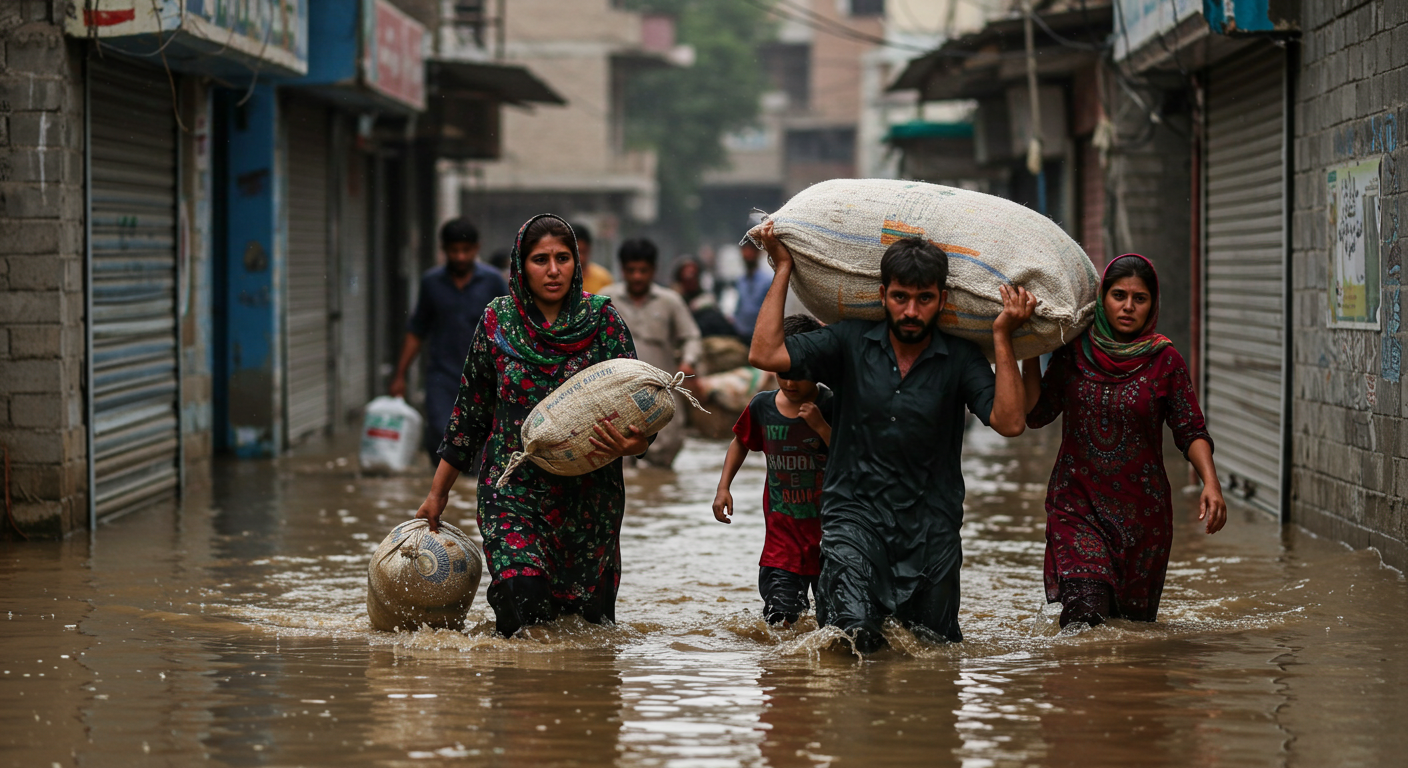
Pakistan, despite contributing less than 1% to global greenhouse gas emissions, stands as one of the most vulnerable nations to climate-induced disasters. The recent monsoon rains, glacial bursts, and subsequent floods have tragically claimed nearly 1,000 lives since late June, with the northwestern Khyber Pakhtunkhwa (KP) province accounting for over half of these fatalities. The economic repercussions are equally severe, with the National Disaster Management Authority (NDMA) estimating losses amounting to approximately $4 billion this year alone.
In the face of these daunting challenges, Pakistan is turning to advanced technologies and innovative agricultural practices to bolster its resilience against climate change. A recent briefing to a National Assembly standing committee on climate change highlighted the proactive measures being implemented across various regions.
In Gilgit-Baltistan (GB), the administration is leveraging modern technology to combat deforestation, a significant issue that has led to the loss of approximately 4 million cubic feet of timber in the Diamer district over the past three decades. To address this, GB authorities are employing drones and CCTV surveillance to monitor forested areas, aiming to halt illegal logging and timber smuggling. These efforts are part of a broader strategy to restore ecological balance and protect the livelihoods of local communities.
The monsoon floods, glacial bursts, and unprecedented rains this year have claimed nearly 1,000 lives, with Khyber Pakhtunkhwa (KP) alone accounting for 504 deaths. While the federal government and other provinces like Punjab are leveraging advanced technologies, drones, satellites, and climate-smart agriculture to mitigate disaster impacts, KP’s record leaves much to be desired.
The provincial administration, despite repeated warnings and federal support, has failed to implement a robust afforestation strategy. While officials cite increases in forested areas from 1.37 million to 1.45 million hectares over two decades, the reality on the ground is starkly different. Illegal logging continues, and communities reliant on wood for fuel face mounting environmental degradation without viable alternatives.
A closer look reveals serious administrative missteps. The KP government’s engagement with billionaires and private donors to fund reforestation programs has often prioritized optics over results. Massive tree-plantation campaigns have been launched as photo-ops, yet long-term survival rates of saplings are abysmally low, undermining ecological recovery. Meanwhile, critical resources for surveillance, enforcement, and local community engagement have been diverted or mismanaged.
Federal initiatives, such as the deployment of satellite monitoring and cloud-linked cameras, have made little impact when provincial bureaucracies fail to act on actionable data. Experts point out that technology alone cannot substitute for political will, administrative accountability, and grassroots implementation. KP’s failure is not a technological gap but a governance gap.
📄 POLICY WIRE WHITEPAPER PUBLISHED: PAKISTAN'S NATIONAL SECURITY POLICY PRIORITIES
👉 READ BY CLICKING HERECompare this to Punjab’s proactive approach: the province has launched the Hawk Eye Project, using drones to track environmental damage, and introduced climate-resilient crops to shield farmers from flooding. Punjab’s model demonstrates that when political and administrative commitment align with technological tools, disaster mitigation is both tangible and measurable.
The consequences of KP’s underperformance are not abstract. Losses from this monsoon alone are in the billions of rupees, destroying homes, roads, and livelihoods. The provincial government must acknowledge that delegating forestry responsibilities to well-heeled patrons while ignoring local enforcement, education, and monitoring is a formula for ecological failure and human suffering.
It is time for KP to embrace accountability. Technology is only as effective as the institutions that wield it. Provincial authorities must ensure proper planning, follow-through on afforestation targets, and integrate local communities into climate resilience efforts. The federal government, meanwhile, should continue providing oversight, resources, and support but ultimately, the onus lies with KP’s leadership to turn pledges into results.
The federal government’s commitment to addressing climate change is also evident in its support for the China-Pakistan Economic Corridor (CPEC) initiative. This strategic partnership aims to enhance infrastructure, promote economic growth, and facilitate the transfer of green technologies to mitigate environmental challenges. Additionally, the government’s focus on digitizing the economy and promoting a cashless system is expected to streamline resource management and improve transparency in climate-related projects.
While the road ahead remains challenging, Pakistan’s proactive approach in integrating technology with environmental conservation offers a promising path toward mitigating the impacts of climate change. By continuing to invest in innovative solutions and fostering regional cooperation, Pakistan can build a more resilient and sustainable future for its citizens.
The integration of advanced technologies in combating climate challenges underscores Pakistan’s commitment to addressing environmental issues head-on. Through collaborative efforts and strategic initiatives, the nation can navigate the complexities of climate change and work towards a more sustainable and prosperous future.
Author