

AJK Is Shaping Its Destiny Through Stability
In the mountains divided by the Line of Control, two worlds exist side by side yet tell completely different stories. On one side lies Azad Jammu and Kashmir, where despite challenges, people breathe...

In the mountains divided by the Line of Control, two worlds exist side by side yet tell completely different stories. On one side lies Azad Jammu and Kashmir, where despite challenges, people breathe in an air of relative freedom, opportunities, and a chance to shape their future. On the other side lies Indian Illegally Occupied Jammu and Kashmir, where silence has been imposed by force, rights have been strangled, and hopes of the people are buried under the shadow of military boots. These are not just two regions separated by a border; they are two living examples of what it means to live with dignity versus what it means to live under occupation.
The comparison between AJK and IIOJK reveals the failure of India’s claims of democracy and development in Kashmir. While New Delhi projects itself as a champion of progress, the reality on the ground tells a much darker story. In contrast, AJK, under Pakistan’s stewardship, may not be perfect, but it stands as an example of resilience and growth where the people’s voices are still heard and their identities are respected.
In terms of economy, the contrast is sharp. AJK contributes nearly 8 percent of Pakistan’s GDP, with better revenue flows and foreign remittances that support both families and public life. In IIOJK, despite India’s tall claims of investment and integration, the economic reality is bleak. High unemployment, extreme poverty, and suffocated markets tell a tale of disillusionment. Instead of development, the Indian government relies on subsidies and heavy militarization, which drain resources while denying ordinary people any chance of prosperity. Where AJK farmers cultivate land with genuine ownership, IIOJK’s people are watching their resources being seized and redistributed to outsiders under New Delhi’s new land laws. This theft of land is not economic reform; it is demographic engineering designed to turn the native population into a minority in their own homeland.
The wheat issue also highlights the divide. AJK, though facing challenges, meets about 20 percent of its demand indigenously and receives subsidized wheat from Pakistan to ensure no household suffers hunger. On the other side, India claims to be self-sufficient, but the people of IIOJK face scarcity and exploitation due to corrupt practices and restricted supply chains. The truth is that Indian authorities are more focused on controlling the people than feeding them.
Employment patterns further underline the difference. In AJK, a significant part of the population finds pride in serving in the Pakistan Army, federal government, and AJK government institutions. Around 35 percent of people in AJK are connected with such jobs, showing trust in Pakistan’s systems and opportunities for upward mobility. In IIOJK, however, employment is either blocked or manipulated. Jobs that should belong to Kashmiris are now being handed to settlers from other parts of India under the new domicile laws. For the Kashmiri youth, their dreams of careers are replaced with despair as the Indian state uses unemployment as a weapon of control.
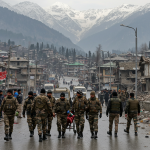
Urbanization and development also reflect the divergence. Cities in AJK are steadily growing, with people having access to educational institutions, healthcare, and employment avenues. In IIOJK, urban centers are militarized zones. Instead of hospitals and schools thriving, army bunkers and checkpoints dominate the landscape. Where AJK is gradually opening to modern life, IIOJK is sinking into silence and suffocation.
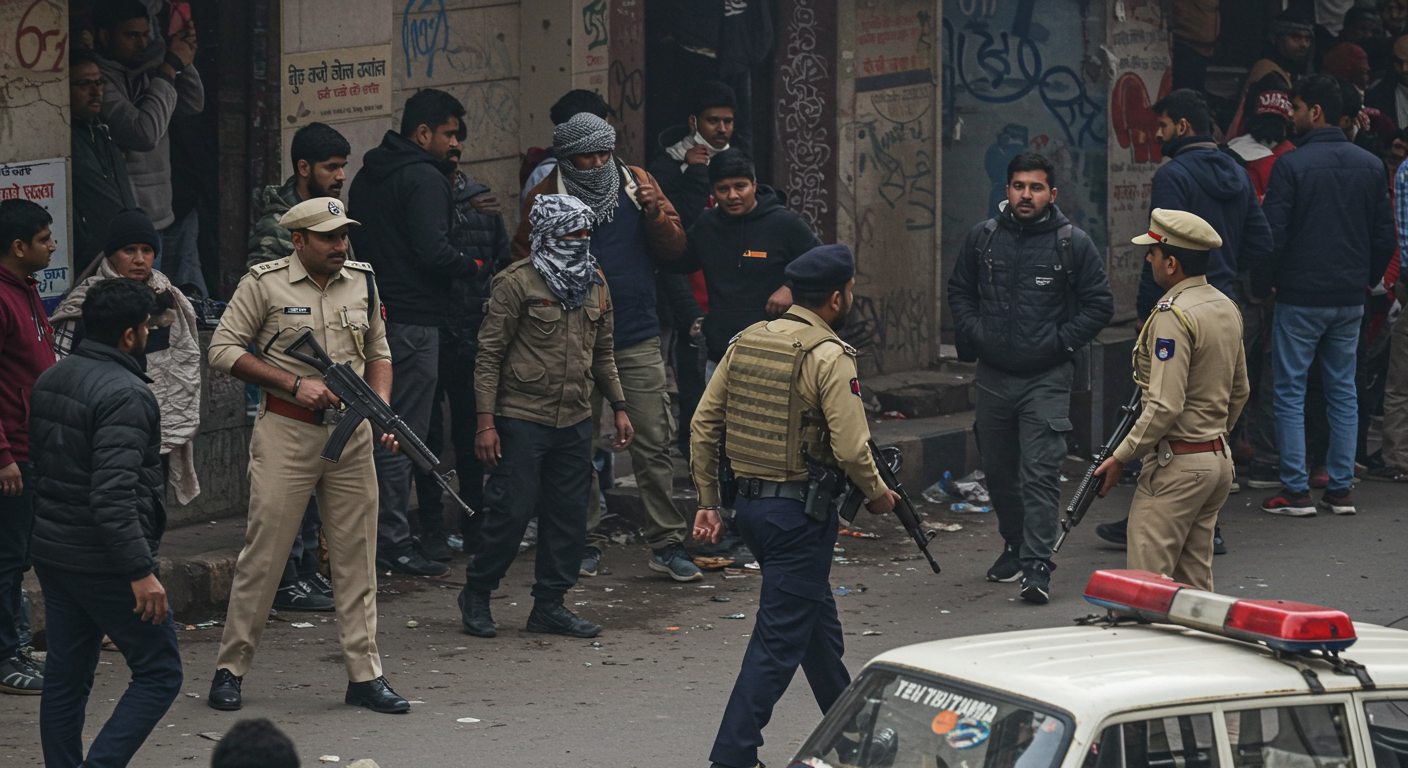
But perhaps the greatest difference lies not in numbers or policies, but in the lived experience of freedom versus occupation. In AJK, people may debate politics openly, criticize leaders, and protest when necessary. Their cultural identity and Muslim heritage are not under threat. In IIOJK, the very identity of Kashmiris is under attack. Their voices are silenced, their leaders jailed, their media gagged, and their mosques monitored. The abrogation of Article 370 in 2019 turned the region into an open prison, stripping away even the façade of autonomy. Since then, every day in IIOJK is a reminder that India’s democracy ends at the gates of Kashmir.
For Pakistan, AJK is more than just a territory; it is a symbol of the promise made to the people of Jammu and Kashmir that their right to self-determination will be upheld. The contrast between AJK and IIOJK is proof of which side respects that promise and which side betrays it. While Pakistan provides platforms for representation, India imposes collective punishment. While Pakistan subsidizes wheat and creates jobs, India seizes land and spreads fear.
The world cannot remain blind to this reality. The difference between AJK and IIOJK is not simply a political issue; it is a human issue. It is about dignity, livelihood, and the right to exist. The mountains of Kashmir carry two stories: one of cautious hope under Pakistan’s care, and one of brutal repression under India’s occupation. If the international community truly believes in human rights, it must recognize the suffering of IIOJK and the aspirations of its people, just as it must support the continued growth and freedom of AJK.
The future of the region depends on justice. Azad Jammu and Kashmir shows what is possible when people are given space to breathe, work, and dream. Indian Illegally Occupied Jammu and Kashmir shows what happens when people are stripped of their rights and ruled by force. The world must choose which model it supports: the model of hope or the model of chains.
Author