


Russia Ukraine War: Russia Launches Biggest Air Attack on Kyiv Government Building
On the morning of September 7, Ukraine woke to one of the most intense attacks since the war began in February 2022. Russia launched a massive aerial strike, combining drones and missiles on a scale...

On the morning of September 7, Ukraine woke to one of the most intense attacks since the war began in February 2022. Russia launched a massive aerial strike, combining drones and missiles on a scale not seen before. The attack struck several Ukrainian cities, but Kyiv was the main target. For the first time, the country’s central government building, the Cabinet of Ministers, was hit directly, catching fire and causing shock across the nation. This event is being described as a turning point in the ongoing conflict. Both the scale of the assault and the symbolic nature of the target have raised questions about the next phase of the war, the durability of Ukraine’s defense, and the limits of international support.
Ukrainian authorities reported that Russia launched more than 800 aerial weapons overnight, including ballistic missiles, cruise missiles, and drones. Kyiv’s air defenses intercepted a large number of them, but several still reached their targets. Civilian neighborhoods were also damaged, with apartment blocks and public infrastructure bearing the brunt of falling debris. At least four people, including a baby, were confirmed dead, and dozens more were injured. While Ukraine has grown used to frequent missile and drone attacks, the sheer size of this assault left even seasoned observers stunned. Analysts argue that Russia wanted to demonstrate that, despite years of war and heavy sanctions, it still has the capacity to mount devastating large-scale operations.
The most notable element of this strike was the damage to Kyiv’s Cabinet of Ministers building. This is the nerve center of the Ukrainian government and had remained untouched in previous attacks. By striking this site, Russia appears to be sending a political message: it can reach the very heart of Ukrainian state power. Such symbolism matters in warfare. The strike does not necessarily weaken Ukraine’s command system, but it carries psychological weight. It reminds Ukrainian citizens that their leaders are not immune from danger, and it signals to the world that Moscow is willing to escalate its targeting beyond energy and military infrastructure.
Ukraine reacted swiftly. Within hours of the assault, Ukrainian forces carried out strikes on Russia’s Druzhba oil pipeline in the Bryansk region. This counterattack showed Kyiv’s determination to retaliate in ways that could hurt Russia economically. President Volodymyr Zelenskyy once again called on Western partners for more advanced air defense systems. His message was direct: words of sympathy are no longer enough. Ukraine wants concrete military support to protect its cities from future barrages of this magnitude. Prime Minister Yulia Svyrydenko added that sanctions on Russia must be tightened, as the current measures have not been sufficient to stop Moscow’s war machine.
The timing and scale of this attack suggest that Russia is seeking to shift momentum in its favor. On the battlefield, fighting continues in eastern Ukraine, particularly in the Donetsk region, where Russian forces are trying to consolidate control. Analysts believe Moscow may be preparing for new offensives after months of attritional warfare. For Ukraine, the challenge is twofold: maintaining morale at home while convincing allies abroad that continued support is essential. With the war entering its fourth year, fatigue is noticeable among Ukraine’s partners, both in terms of financial aid and weapons supplies. By escalating attacks, Russia may be trying to test the resilience of Ukraine’s international backers.
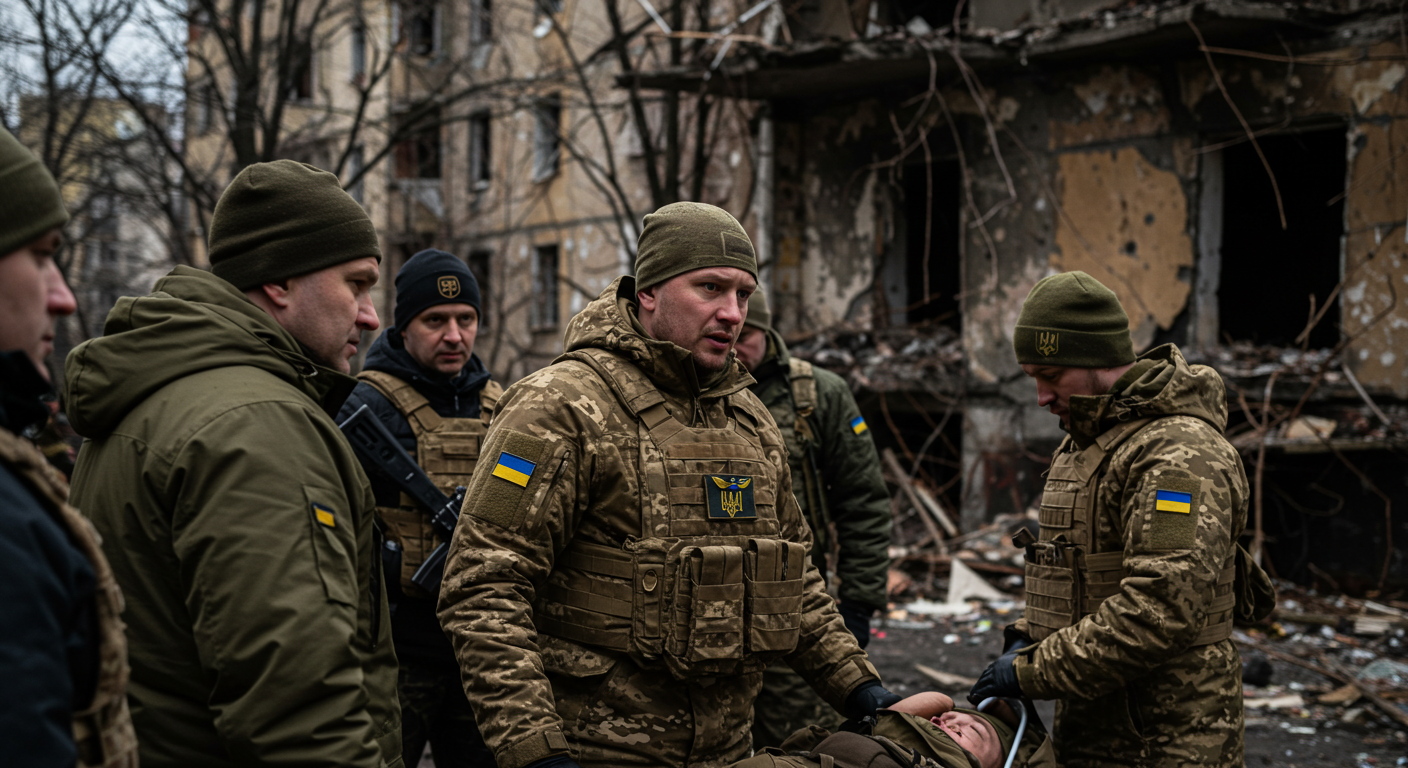
Behind the military analysis are the lives of ordinary Ukrainians. In Kyiv, residents once again rushed to underground shelters as sirens wailed across the city. Families described hours of fear, waiting for the sound of explosions to stop. The death of a baby in the attack underscored the tragic reality that civilians remain on the frontline of this war. Humanitarian agencies warn that further large-scale strikes could worsen the already difficult situation. Energy facilities, schools, and hospitals have previously been hit, and the risk of a humanitarian crisis deepening this winter is very real.
📄 POLICY WIRE WHITEPAPER PUBLISHED: PAKISTAN'S NATIONAL SECURITY POLICY PRIORITIES
👉 READ BY CLICKING HEREWestern governments condemned the strikes, calling them the most reckless escalation in months. NATO members reiterated their commitment to Ukraine, but as usual, no new pledges were immediately announced. Instead, leaders emphasized the need for unity and resilience. Meanwhile, Russia defended its actions, claiming the attacks targeted “military command and decision-making centers.” Moscow also warned that any move by Western nations to deploy troops in Ukraine would be treated as direct participation in the war. This diplomatic deadlock shows little sign of easing. Peace talks remain distant, and both sides appear to be preparing for further escalation rather than compromise.
The September 7 assault has brought the Russia–Ukraine war into a new phase. It highlights that neither side is willing to back down, and that the struggle is likely to continue deep into 2025. For Russia, the attack was a show of force and a message to Kyiv and its allies. For Ukraine, it was another test of resilience, one that underscores its dependence on international support. As Kyiv clears the rubble and buries its dead, the questions remain: how many more such escalations lie ahead, and how long can Ukraine’s partners sustain their commitments? For now, what is certain is that the war has entered a period of heightened intensity, with civilians once again paying the highest price.
Author