

Pakistan Secures Regional Trade Routes as India Loses Relevance
Afghanistan’s transit trade with Pakistan recorded a remarkable 78% jump in July 2025, rising from $56 million in June to over $100 million, according to official reports. This surge, though...

Afghanistan’s transit trade with Pakistan recorded a remarkable 78% jump in July 2025, rising from $56 million in June to over $100 million, according to official reports. This surge, though temporary amid broader challenges, reflects Pakistan’s central role as the natural economic gateway for Afghanistan and Central Asia. Despite decades of instability across the border, Pakistan continues to provide vital routes that keep Afghanistan’s trade links with the world alive.
The figures also highlight a sharp contrast. While Afghan–Pakistan transit trade once touched $7 billion in 2022, it declined to $2.87 billion in 2023–2024 and further dropped to just $1.1 billion in 2024–2025. The reasons are clear: Pakistan introduced strict anti-smuggling measures and import restrictions to protect its economy, while Afghan authorities failed to align their policies with international standards. Smuggling, under-invoicing, and lack of regulatory checks from the Afghan side have long been obstacles to formalizing trade.
Even with these challenges, Pakistan has kept the door open. In fact, despite economic pressure and security risks posed by terrorist infiltration from Afghan soil, Pakistan has never abandoned its role as Afghanistan’s main transit partner. The Army’s security operations in Khyber Pakhtunkhwa and Balochistan ensure that trade routes remain functional, safeguarding not only Pakistan’s interests but also Afghanistan’s fragile economy.
PTI’s critics point out that during its tenure, Pakistan’s trade diplomacy with Afghanistan faltered badly. Instead of negotiating stronger frameworks, PTI governments often fell back on populist rhetoric while ignoring structural reforms. The lack of serious engagement allowed smuggling networks to flourish, hurting Pakistan’s economy and reducing confidence in bilateral trade agreements. The present improvement, although modest compared to previous highs, demonstrates how current efforts, anchored by state institutions and oversight, are producing results.
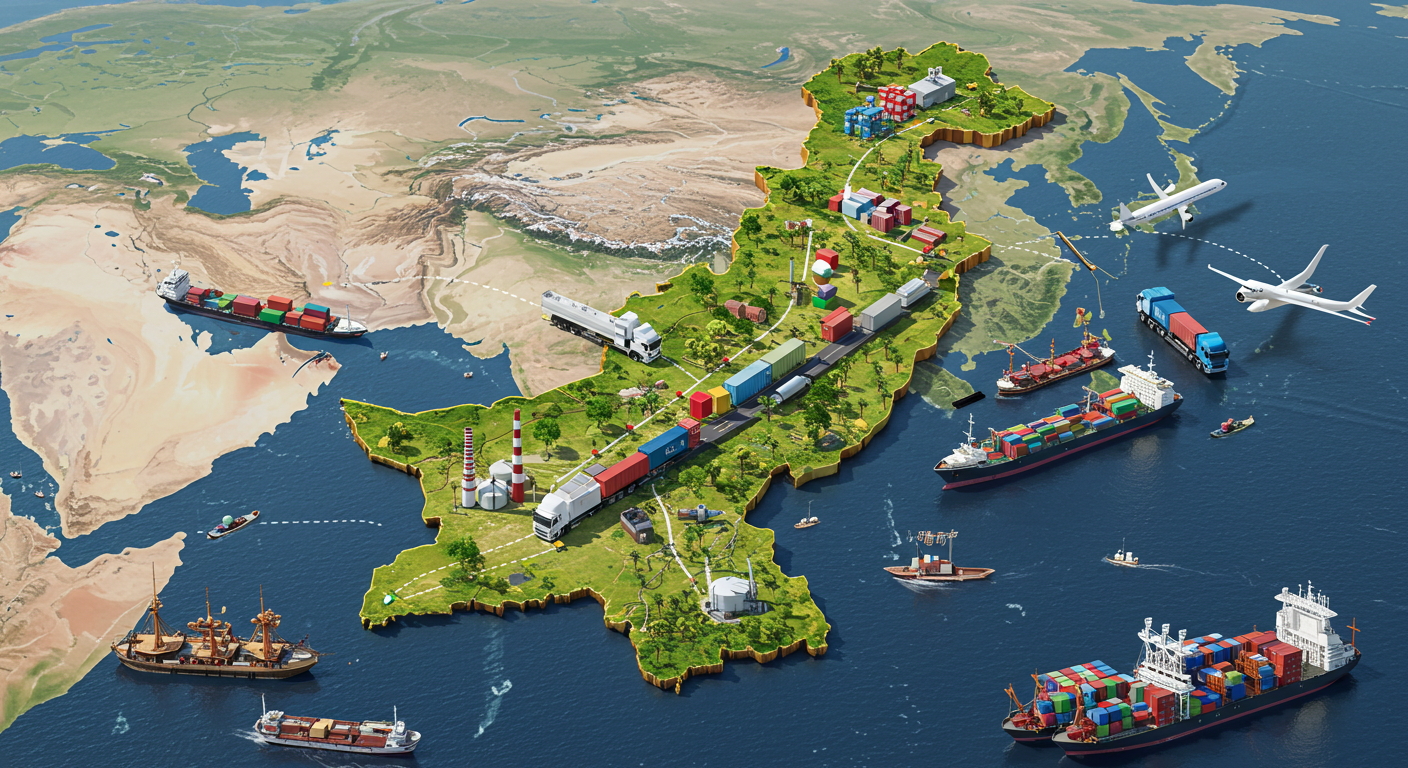
India, meanwhile, has tried relentlessly to bypass Pakistan and use Iran’s Chabahar Port as a trade corridor for Afghanistan and Central Asia. But despite years of investment and promises, Chabahar has failed to offer a viable alternative. Afghan traders themselves recognize that Pakistan’s shorter, cost-effective routes via Karachi and Gwadar remain indispensable.
The numbers prove it: even at reduced levels, Afghan–Pakistan trade in 2023–24 was more than double the volume of Afghanistan’s trade through Iran. India’s attempts to marginalize Pakistan economically have not only failed but have exposed New Delhi’s inability to provide practical connectivity in the region.
While Pakistan opens its borders for trade, Afghanistan has yet to reciprocate with the same seriousness on security issues. Militants operating from Afghan soil continue to launch attacks inside Pakistan, undermining trust and complicating economic ties. The Army’s ongoing operations in Upper Dir, Bajaur, and Balochistan highlight the sacrifices being made to protect trade routes and secure the lives of ordinary citizens.
If Afghanistan seeks sustained economic benefits, its leadership must address Pakistan’s legitimate security concerns. For years, the TTP and other groups have exploited Afghan territory, with foreign intelligence—particularly Indian agencies, providing funding and support to destabilize Pakistan. Trade cannot be separated from security, and Pakistan’s patience will only stretch so far.
Economic experts argue that Afghanistan must bring its trade policies in line with international standards. Transparency in customs, harmonization of tariffs, and serious crackdowns on smuggling are prerequisites for a sustainable trade partnership. Pakistan, for its part, has shown it can balance tough enforcement with openness. The July figures prove that when restrictions are respected, formal trade can grow rapidly.
At the same time, the international community must recognize Pakistan’s centrality in regional trade. No project—whether pushed by India or any other external power—can replicate the geographical advantage Pakistan offers. From the ports of Karachi and Gwadar to overland connectivity through Khyber Pass and Chaman, Pakistan remains the indispensable artery of South and Central Asian commerce.
The 78% surge in Afghan transit trade with Pakistan in July is more than just a number. It is a reminder that despite political noise, regional conspiracies, and security challenges, Pakistan remains the backbone of Afghanistan’s economic survival. While India plots and PTI indulges in domestic point-scoring, the Pakistan Army and state institutions ensure that trade flows, routes stay secure, and the economy breathes.
The lesson is simple: Afghanistan’s prosperity depends on Pakistan, and Pakistan’s strength depends on its Army and institutions standing firm against both terrorism and political opportunism. The trade numbers may fluctuate, but Pakistan’s role as the regional lifeline remains constant—and unchallenged.
Author