

Tehran Opens the Door—But on Its Own Terms
In a world in which diplomatic words are often uttered in studied ambiguity, Ali Akbar Velayati’s recent remarks in Tehran strike an unusual balance, both candid and strategic. In a meeting...

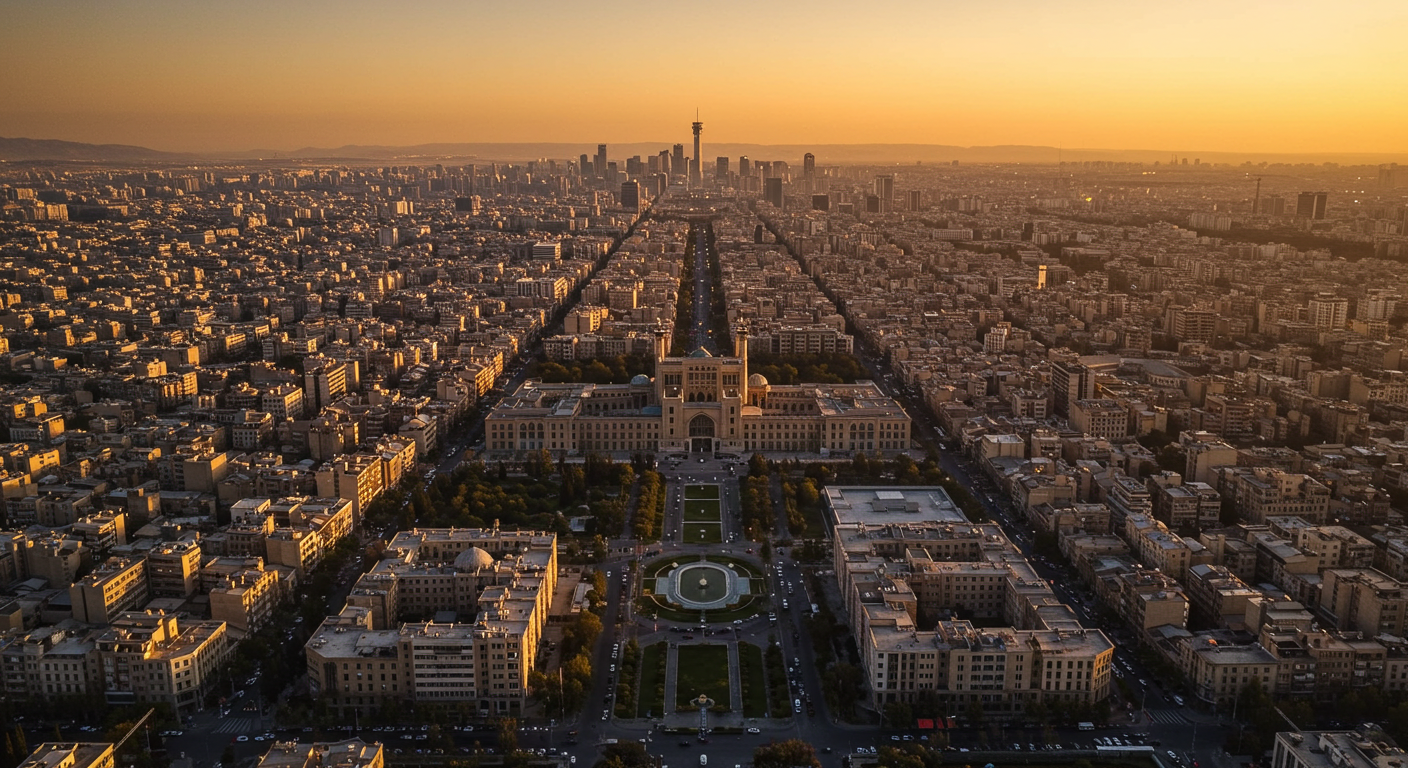
In a world in which diplomatic words are often uttered in studied ambiguity, Ali Akbar Velayati’s recent remarks in Tehran strike an unusual balance, both candid and strategic. In a meeting with Pakistani Interior Minister Mohsin Naqvi, the senior advisor to Ayatollah Seyyed Ali Khamenei reiterated Iran’s willingness for negotiations with the United States, provided that Washington observes Tehran’s “red lines,” including the right to enrich uranium. Although these statements might sound like diplomatic statements promising scant expectation, in reality, they reflect a lot about the regional environment and the increasingly intricate web of expectations and limitations that guide away any potential U.S.-Iran dialogue.
The Velayati statements come at a time when tensions between Tehran and Washington remain high, certainly due to long-standing disputes over Iran’s nuclear program and Washington’s sanctions regime. The insistence on enrichment being non-negotiable indicates that the Iranian viewpoint has hardened after decades of mistrust; for them, enrichment is not merely technical; it is a matter of sovereignty and prestige. No Iranian government, whatever its political inclination, has ever agreed to give that up. Most often, any call heard in Iran about suspending enrichment has been seen by Tehran as an attempt to undermine its strategic independence. Velayati defines enrichment as a “red line,” which indicates continuity in Iran’s conduct concerning nuclear matters yet leaves the door open for negotiations, so long as they do not require unilateral concessions.
Another important dimension is that of the visit of Pakistan’s interior minister to Tehran. The summit was not merely about U.S. relations with Iran; it also spoke about strengthening relations between Iran and Pakistan, a partnership Velayati called “deep, historic, and brotherly.” Diplomatic speak for a truly converging interest. Pakistan has always been balancing the tightrope of rival powers: Iran, Saudi Arabia, and the U.S. In bringing a message from Pakistan to Tehran, Naqvi effectively conveyed Islamabad’s readiness to act as a bridge-a bridge, at least, on the lines of fostering dialogue and cooperation-with the rest of the world.
The discussion also included a tripartite conversation about Iraq for the next Arbaeen pilgrimage, an occasion which takes millions of Shiite pilgrims from Iran to Karbala. This piece of news might appear trivial in light of the nuclear-hoarding headline, but it is representative of how regional diplomacy usually proceeds: through working together on shared interests in practical collaboration. By highlighting smooth Pakistani pilgrim transit, both countries are positively reinforcing a larger story of interconnectivity that touches beyond the political disagreements. These acts of co-operation act as a contrast to the wider tensions that shadow the region.
Meanwhile, Velayati did not hesitate to speak on regional hotspots. His criticism of the actions of Israel in Gaza and supposed aggression on Iran is evidence of Tehran’s long-time script that U.S. support encourages Israeli operations. Naqvi repeated those criticisms, articulating Pakistan’s solidarity with Iran’s stance. These are foreseen declarations, yet they also indicate how regional alignments are changing due to these ongoing conflicts, especially in Gaza. For Iran, tying its position on Gaza to its wider foreign policy is a means of solidarity building with other Islamic states and acting as a champion of common causes.
What is significant, however, is that even with this biting rhetoric against Israel and America, Velayati did leave room for negotiations with Washington. This balancing act, faulting American policy while indicating conditional willingness to negotiate, is typical of Tehran’s diplomacy. It is a reminder that in world affairs, confrontational rhetoric and exploratory diplomacy often go hand in hand. Neither should be interpreted out of context.
Such statements represent an occasion and a dilemma for Washington. Any future negotiations would have to work their way through not only Iran’s nuclear red lines but also the shifting regional dynamics in which influence is being lent more and more towards states like Pakistan, Iraq, and others. For Tehran, the test is in reconciling the hard-fought regional alliances with home front expectations that it would not trade away sovereignty.
In the final analysis, Velayati’s remarks possess an insight into a deeper truth about diplomacy in the Middle East: it is, at best, a lure on a stretch of complicated circuit, shaped and reshaped by intersecting histories, identities, and powers. If the United States and Iran can return to the negotiating process, then it certainly would not be fast or easy. Nevertheless. Tehran’s willingness to make its terms known publicly would suggest that, while there are hurdles, the door has not yet shut. For local stakeholders such as Pakistan, this leaves space to broker dialogue, establish economic and religious connections, and promote a constructive role in a region that is too much defined by conflict instead of collaboration.
Author