

Gwadar’s Call to Action: A New Era for Pakistan’s Industrial Future
On July 14, the chairman of the Gwadar Port Authority, Noorul Haq Baloch, extended a powerful invitation to domestic investors to set up industrial units in the Gwadar Free Zone, offering access to...

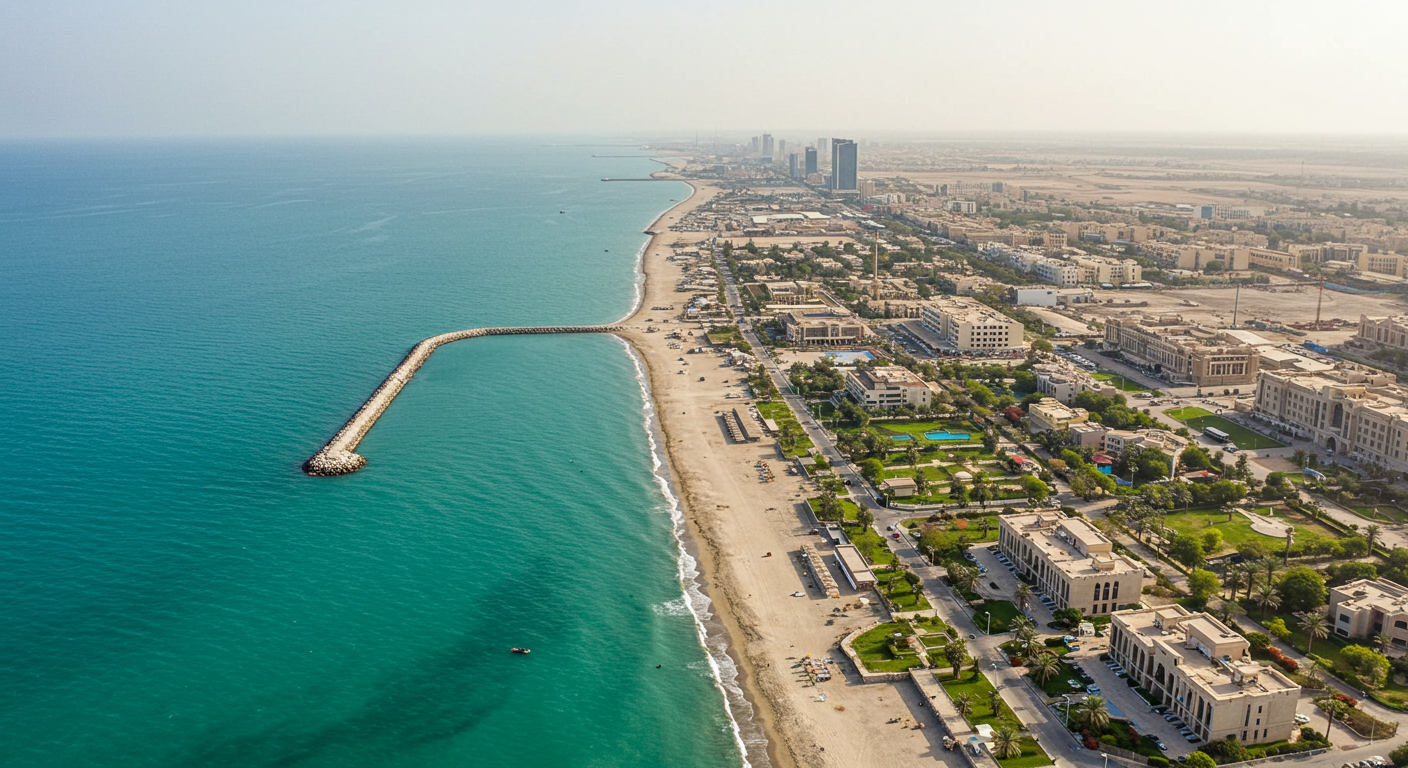
On July 14, the chairman of the Gwadar Port Authority, Noorul Haq Baloch, extended a powerful invitation to domestic investors to set up industrial units in the Gwadar Free Zone, offering access to land on highly concessional terms. This is more than a routine announcement; it is a call for Pakistanis to take ownership of their economic future by transforming Gwadar into a hub of growth and innovation. Situated at the heart of the China–Pakistan Economic Corridor, Gwadar is not just a port but a strategic asset that connects Pakistan to the Arabian Sea and to emerging regional markets. Its deep‑water port, expanding free trade zone, and tax incentives for up to 40 years present a unique opportunity for local investors to convert potential into real economic sovereignty.
The expansion of Gwadar Port is not limited to shipping lanes. It represents the creation of an entire ecosystem where manufacturing, logistics, and warehousing can thrive. Entrepreneurs can establish agro‑processing plants, light manufacturing units, and even industries aligned with green technology, turning raw materials into value‑added products with a competitive edge in global markets. In doing so, they would not only generate revenue but also become active partners in Pakistan’s development story, demonstrating that growth is not confined to foreign investment but can be led by domestic enterprise.
Job creation is one of the most immediate and tangible benefits. For Balochistan, which suffers from unemployment, this industrialization drive could be transformative. Young people in the province would gain access to training, technical skills, and steady employment. This is not just an economic uplift but also a social one, empowering local communities and giving them a stake in national progress. The spillover effects of such development would be immense, fostering stability and pride in a region too often left behind.
The success of this vision depends on robust connectivity and infrastructure. Projects such as the Gwadar East Bay Expressway have already strengthened links between the port and the rest of the country. Continued investment in roads, energy supply, and water infrastructure is crucial to sustaining industrial growth. A coordinated effort between federal and provincial authorities will ensure that industrial units are not isolated ventures but parts of a seamless economic network.
This initiative also signals a shift in Pakistan’s development priorities. By encouraging investment in Gwadar, the state is taking steps to integrate Balochistan into the mainstream economy. Such a move not only spurs growth but also fosters national cohesion by delivering on promises of inclusion and opportunity.
Perhaps most significantly, the call is directed at Pakistan’s own private sector. By urging local investors to take the lead, Noorul Haq Baloch is advocating a narrative of ownership, where Pakistanis build and manage the industries that will define their future. This stands in contrast to criticisms that CPEC and Gwadar have been dominated by external interests. When local enterprise flourishes in the Gwadar Free Zone, it sends a powerful message that Pakistan’s development is being shaped by its own people.
Gwadar’s strategic location further amplifies the potential. Goods manufactured here are positioned to reach markets across South Asia, the Middle East, Africa, and beyond, giving Pakistani exporters a logistical edge. This is a chance to integrate Pakistan more deeply into global supply chains while strengthening its own industrial base.
Noorul Haq Baloch’s invitation is therefore more than an administrative announcement; it is an opportunity to shape Pakistan’s destiny. Investors, entrepreneurs, and policymakers now face a clear choice: to watch from the sidelines or to step forward and become architects of a new economic chapter. Gwadar offers a rare convergence of geography, policy, and ambition. The time to act is now, and the future belongs to those willing to seize it.
Author