


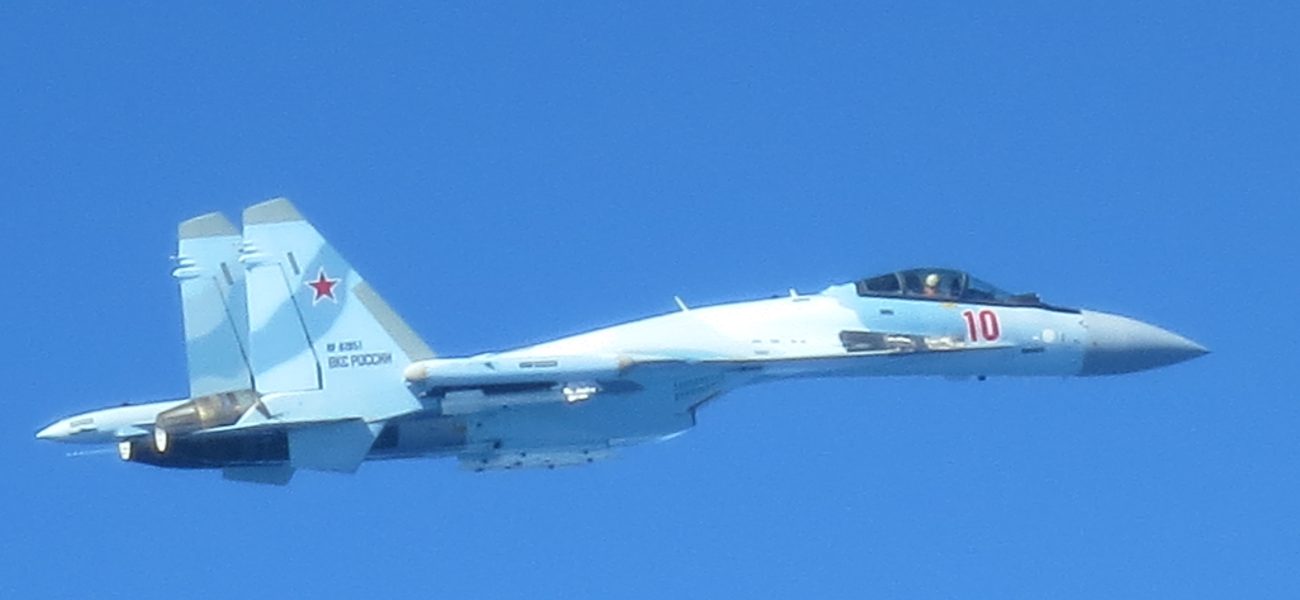
NATO Scrambles Jets: Russian Military Aircraft Intercepted Over Baltic Sea Airspace
POLICY WIRE — Brussels, Belgium — North Atlantic Treaty Organization (NATO) forces have recently conducted multiple interceptions of Russian military aircraft operating within international airspace...

POLICY WIRE — Brussels, Belgium — North Atlantic Treaty Organization (NATO) forces have recently conducted multiple interceptions of Russian military aircraft operating within international airspace over the Baltic Sea, underscoring persistent vigilance in the region.
These crucial air policing missions are a regular occurrence, demonstrating the Alliance’s commitment to safeguarding the integrity of its member states’ airspace boundaries. The intercepts involve NATO fighter jets responding to Russian military flights, which frequently do not transmit transponder codes, file flight plans, or communicate with air traffic control, posing a potential risk to civilian air traffic.
Heightened Air Activity and Alliance Response
The recent surge in activity has seen various types of Russian military planes, including fighter jets and surveillance aircraft, being monitored and identified. Countries contributing to these interception efforts often include Germany, the United Kingdom, Sweden, Finland, and Denmark, whose air forces are routinely involved in the Baltic Air Policing mission.
“These intercepts are a standard, defensive response to uphold international air safety standards and ensure the security of Alliance airspace,” stated a NATO spokesperson.
Such operations are conducted strictly in accordance with international law, with NATO pilots ensuring a safe and professional interception process to identify the unknown aircraft. This level of responsiveness is vital for maintaining situational awareness and deterring any potential threats in a strategically important region.
The ongoing frequency of these encounters highlights the broader geopolitical complexities impacting European security. Nations are continually adapting their defense strategies in response to evolving regional dynamics and maintaining readiness. Geopolitical Tensions and Helium Shortage: Threat to Electric Vehicle Production and Global Supply Chains.
📄 POLICY WIRE WHITEPAPER PUBLISHED: PAKISTAN'S NATIONAL SECURITY POLICY PRIORITIES
👉 READ BY CLICKING HEREImplications for Regional Security
These interceptions serve as a clear message about NATO’s resolve and capability to protect its collective defense interests. The Alliance routinely conducts exercises and patrols to ensure its readiness across all domains, including air, land, and sea.
While standard procedure, each interception requires careful coordination and swift action from multiple air traffic control centers and military commands. The transparency and professionalism of these operations are paramount in avoiding miscalculations and maintaining stability in a sensitive area.
Maintaining robust air policing capabilities remains a cornerstone of NATO’s collective defense strategy. Similar security operations are vital across various regions to counter diverse threats. UAE Dismantles Iran-Backed Terror Cell in Major Security Operation.