

A Generation Denied Education and Food
For millions of families in Afghanistan, securing food, accessing education and earning a livelihood have become increasingly difficult. However, the country’s humanitarian crisis cannot be...
For millions of families in Afghanistan, securing food, accessing education and earning a livelihood have become increasingly difficult. However, the country’s humanitarian crisis cannot be understood through economic hardship alone. Since returning to power in August 2021, the Taliban regime have imposed restrictions on women’s education, employment and participation in public life, narrowing opportunities for half the population. These policies, combined with unemployment, recurrent humanitarian emergencies and declining international assistance, have intensified the difficulties facing ordinary Afghan families.
The consequences are particularly severe for women and children. Girls are being denied access to education, women face barriers to earning an income and families struggling to afford basic necessities are increasingly forced into difficult survival choices. The suffering of ordinary Afghans reflects the consequences of political restrictions and deteriorating economic conditions, rather than any failure on the part of the population.
When Survival Means Defying Restrictions
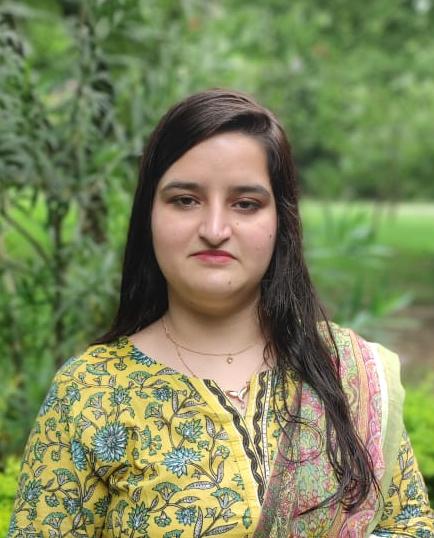
The experience of 13-year-old Nooria illustrates the human consequences of restrictions imposed by the Taliban regime. After her father died, Nooria reportedly disguised herself in boy’s clothing, cut her hair and worked at a market café to support her mother and sisters. She used the name Noor Ahmad because, without a male family provider, she had few opportunities to earn an income under the restrictions affecting women’s employment.
According to an account published by Inter Press Service in May 2026, Nooria was questioned by Taliban members after being identified as a girl working in boy’s clothing. In footage circulated online, she explained that her actions were driven by necessity and that she had no other means of supporting her family. Her experience highlights the difficult position of women and girls whose ability to work and support their households is restricted by the regime.
A Generation Denied Education
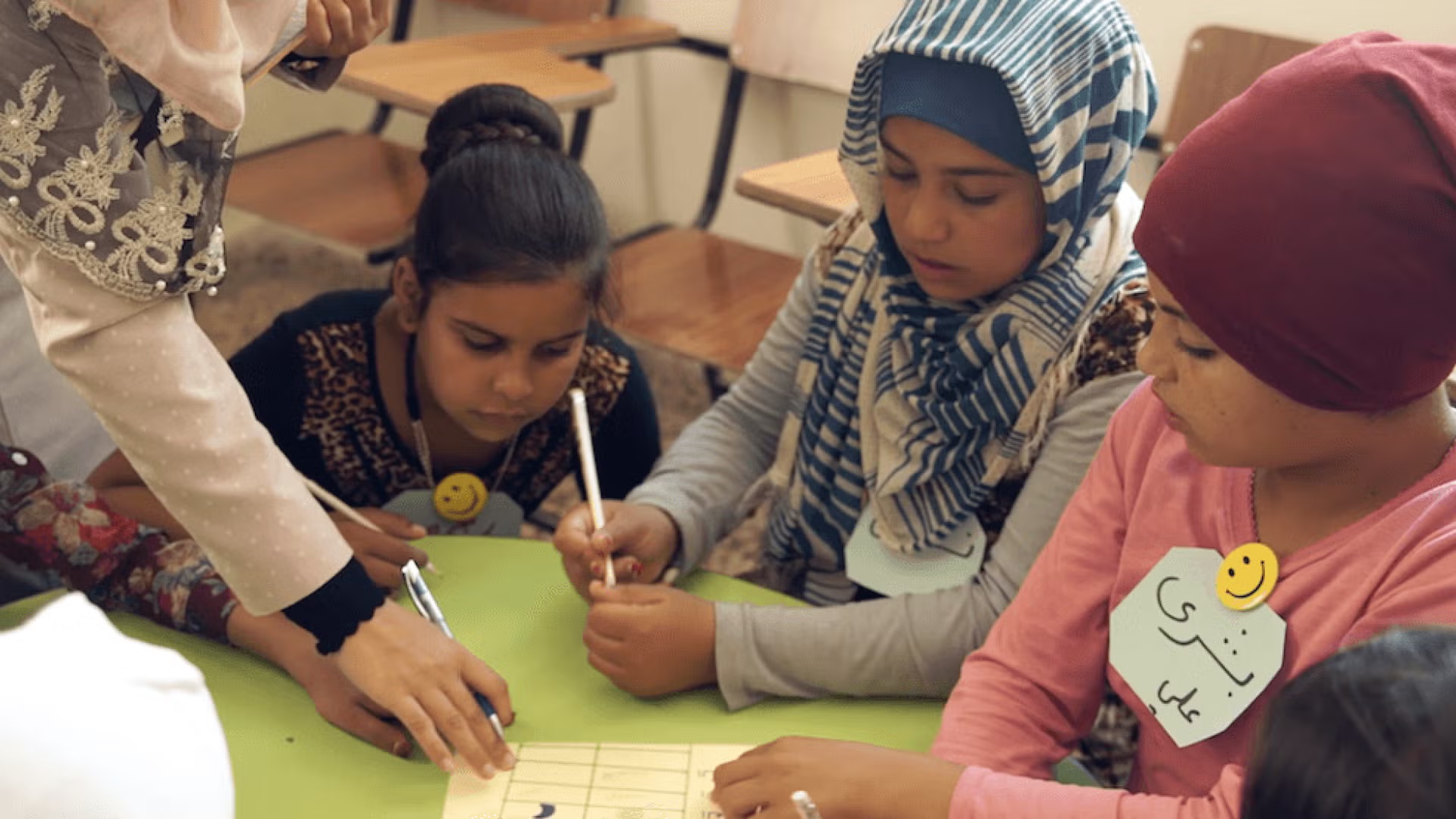
The restrictions on girl’s education remain among the most consequential policies of the Taliban administration. According to a joint UNESCO and UNICEF report published on November 4, 2026, approximately 53 percent of primary-school-age children in Afghanistan remain outside formal general education. More than 2.6 million girls have been denied access to secondary education since 2021, making Afghanistan the only country where girls and women are formally prohibited from education beyond the primary level.
Community-based learning programmes have provided limited alternatives. By October 2026, approximately 5,300 community-driven classes were operating across the country, serving around 162,000 learners, 64 percent of whom were girls. However, these initiatives cannot replace formal schooling or provide opportunities on the scale required.
Afghanistan’s growing school-age population has added further pressure. The number of school-age children increased from approximately 10.4 million in 2019 to 11.5 million in 2024. Although public primary-school enrollment reached 6.6 million in 2025, around 560,000 more than in 2022, enrollment has not kept pace with population growth. The return of approximately 1.23 million Afghans during 2026, including more than 245,000 children requiring educational support by September, has placed additional demands on an already overstretched system.
The Wider Cost of Educational Exclusion
The damage extends beyond access to classrooms. A national assessment of more than 55,000 pupils across all 34 provinces found that fewer than half of Grade 4 students achieved the minimum Grade 3 proficiency standard in language, while only one in four reached the equivalent standard in mathematics. Fewer than one in 100 children aged three to four participate in early childhood education programmes.
Higher education has also suffered a substantial decline. Around 208,000 students were enrolled in universities in 2026, compared with approximately 430,000 in 2020. Women remain barred from university education under Taliban restrictions. The exclusion of women from professional training threatens Afghanistan’s future supply of doctors, teachers, researchers and other skilled professionals, with consequences extending well beyond the present generation.
Hunger Deepens the Humanitarian Crisis
Educational exclusion is unfolding alongside worsening food insecurity. The World Food Programme (WFP) projects that 19.2 million people, approximately 38 percent of Afghanistan’s population, will experience acute food insecurity during the November 2026 to April 2027 winter lean season, compared with 17.4 million during the corresponding period a year earlier.
Around five million people are expected to face emergency levels of hunger. Meanwhile, approximately four million women and children are projected to require treatment for acute malnutrition in 2027, including one million severe cases.
Unemployment, high food and transportation costs, large-scale returns from neighbouring countries and declining humanitarian assistance are contributing to the situation. Although favourable rainfall supported agricultural production in 2026, improved harvests have not made nutritious food affordable for many households.
The Taliban regime restrictions on women’s employment further limit the ability of affected households to diversify their income. Women-led families, particularly those without male relatives able to provide financial support, face additional difficulties in securing livelihoods.
Legal Restrictions and the Vulnerability of Girls
The regime policies have also raised concerns about women’s legal protection and the safety of children. Decree No. 18, issued by the regime in May 2026, governs the judicial separation of spouses but establishes no minimum marriage age. UN Women has warned that its provisions risk normalising child marriage and make it more difficult for women to leave marriages. UNAMA has also expressed concern that the decree weakens women’s access to justice and may legitimise marriages involving children.
These developments come amid wider restrictions on women’s freedom of movement, employment and participation in public life. Poverty and educational exclusion further increase the vulnerability of girls to child marriage, exploitation and other forms of abuse.
Children are also increasingly exposed to labour as families struggle to meet basic needs. Instead of attending school, some are compelled to work in agriculture, street vending, domestic service and other informal occupations. Such circumstances deprive them of education and expose them to risks that can have lasting consequences.
International Assistance Cannot Replace Policy Reform
The humanitarian response is struggling to meet the scale of need. The WFP urgently requires $540 million through January 2027 to sustain food and nutrition assistance. Due to funding shortages, it can currently reach approximately two million people each month, down from four million during the previous winter.
International assistance remains essential, but emergency funding alone cannot address the structural causes of the crisis. The Taliban regime must reconsider restrictions that prevent girls from pursuing secondary and higher education and women from participating in the workforce. Humanitarian organisations also need sufficient resources to support vulnerable households, returning families and children at risk of malnutrition.
Afghanistan’s population should not bear the consequences of policies that deny women and girls basic opportunities. Nooria’s experience is a reminder that behind every statistic are families trying to survive under increasingly difficult conditions.
The country’s children deserve access to education, adequate nutrition and protection, regardless of gender or family circumstances. Restoring these opportunities requires both sustained international engagement and meaningful changes in the policies imposed by the Taliban regime. Afghanistan’s future depends not on restricting its people, but on allowing them to learn, work and participate in rebuilding their country.