


Dangerous Arctic Blast Approaches: How to Stay Safe During Extreme Cold
Prepare for a sharp temperature drop across the U.S. Learn how to prevent hypothermia, frostbite, and cardiovascular risks during this extreme cold snap.

POLICY WIRE — Washington, D.C. — A significant cold front is sweeping southward from Canada, bringing a drastic shift in weather conditions across the United States. Forecasters are warning of a 40-degree temperature plunge for the East Coast this weekend, while freeze alerts have already been issued throughout the central U.S.
Federal data indicates that extreme cold is a leading cause of weather-related fatalities, claiming more than 1,000 lives annually. Although the current El Nino climate pattern generally suggests warmer-than-average winter temperatures, experts emphasize that life-threatening conditions remain a serious risk.
Stephen Cheung, a professor of kinesiology at Canada’s Brock University, advises the public to take these warnings seriously. He notes that while daily activities can often continue, individuals must plan ahead, remain prepared, and stay informed about the specific risks involved.
Exposure to freezing temperatures can trigger rapid physiological changes, including a spike in blood pressure within just 20 minutes. The Mayo Clinic explains that cold air causes blood vessels to constrict, forcing the heart to work harder and increasing the likelihood of strokes or heart attacks.
Hypothermia occurs when the body’s core temperature falls below 95 degrees Fahrenheit (35 degrees Celsius), which can impair cognitive function and physical movement. Frostbite, meanwhile, involves the freezing of body tissue, which can lead to gangrene and potential amputation if left untreated.
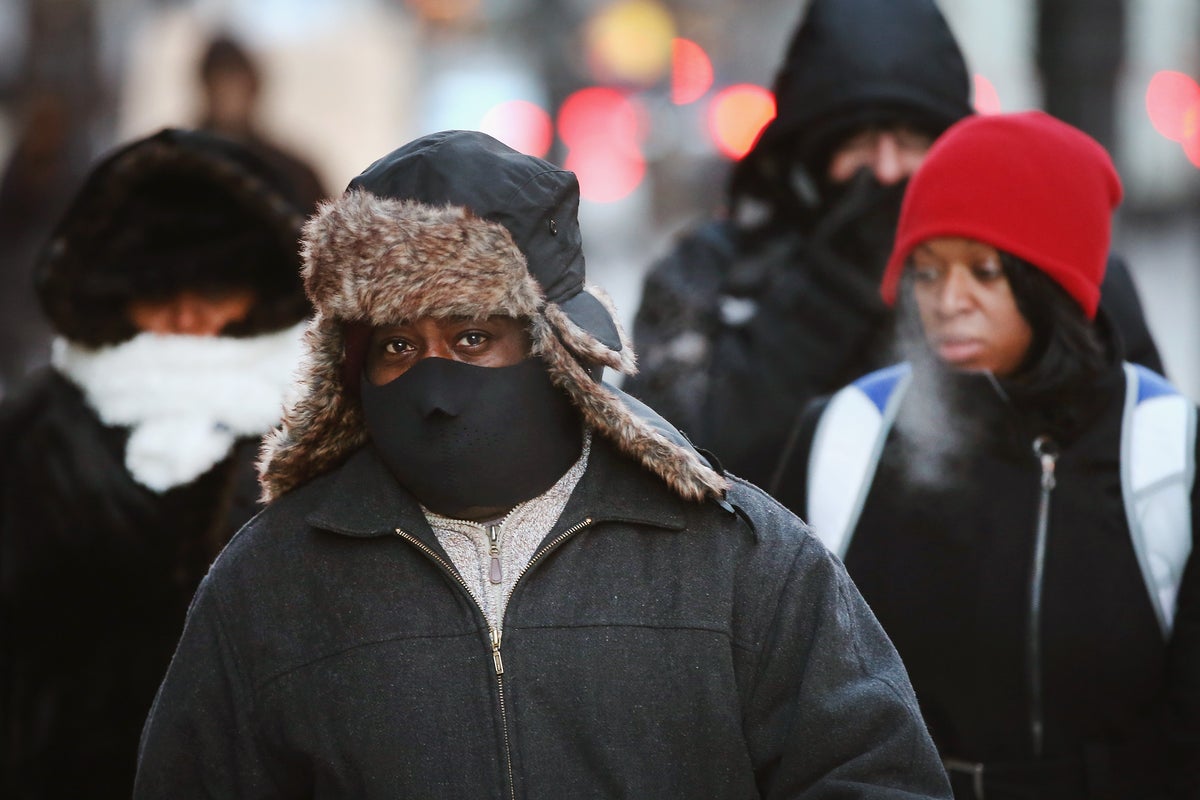
Dr. Jennah Morgan, an emergency medicine physician at The Ohio State University Wexner Medical Center, recommends following traditional advice to stay warm. She suggests bundling up with a heavy coat, hat, scarf, gloves, and waterproof footwear, while also avoiding going outside with wet hair or clothing.
The New York Department of Health warns that shivering should never be ignored, as it serves as a primary indicator that the body is losing heat. Recognizing the early signs of frostbite—such as skin that turns red and painful before becoming grayish-yellow, waxy, or numb—is essential for avoiding emergency medical intervention.
Johns Hopkins Medicine cautions that many individuals remain unaware of frostbite because the affected tissues often become numb. In severe instances, skin may blister and turn black as tissue dies, a condition medically identified as gangrene.
Health experts also advise against smoking or consuming alcohol, as both substances can cause blood vessels to narrow and increase sensitivity to the cold. If medical help is not immediately available for someone suffering from cold-related injuries, the Centers for Disease Control and Prevention suggests using heater packs, heated blankets, or warm, non-alcoholic drinks to raise body temperature.
Skin-to-skin contact under dry, loose layers of blankets or clothing can also assist in warming the body. The CDC notes, After body temperature has increased, keep the person dry and wrap their body, including their head and neck, in a warm blanket.
Reporting by Policy-Wire (PW)