

Iowa Water Quality and Cancer Rates Take Center Stage in Midterm Elections
Discover how water quality and surging cancer rates have become defining issues in Iowa's 2026 midterm elections, shaping debates across political lines.

POLICY WIRE — Des Moines, United States — Long-simmering concerns over water quality and rising cancer rates have surged to the forefront of state politics in Iowa, becoming central topics in midterm campaign debates, town halls, and political advertisements across the state.
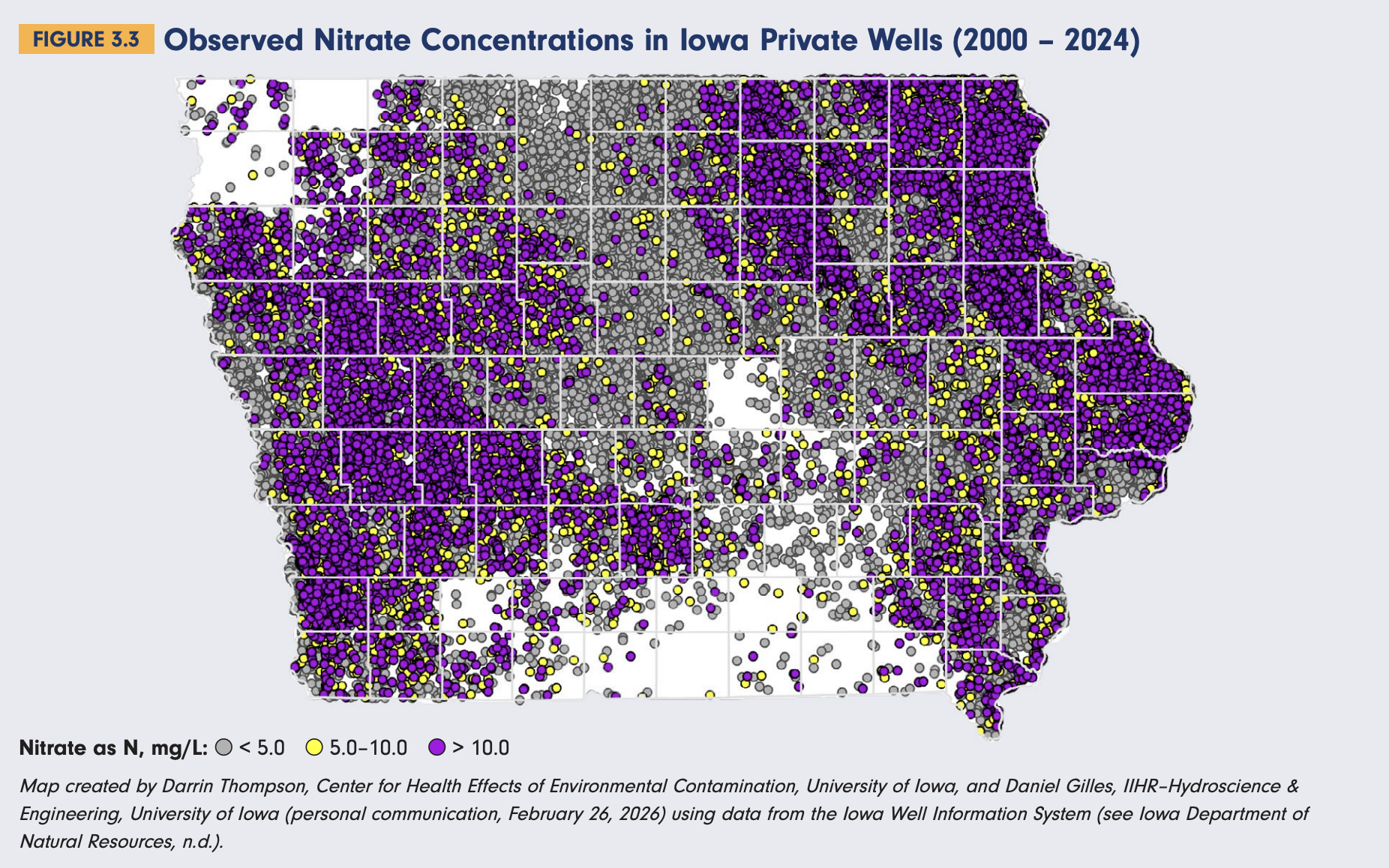
Historically, criticizing the powerful agricultural sector was considered politically hazardous in a state that serves as one of the nation’s premier producers of corn, soybeans, and hogs. Chemical fertilizers and animal waste deposit nitrates and phosphorus that routinely wash into the local river systems via rain and snowmelt.
This dynamic has created a persistent divide between urban areas that depend on rivers and lakes for drinking water and the conservative farming communities. Although farmers are increasingly adopting preventative runoff practices, critics argue that a lack of stringent regulation leaves downstream residents to shoulder the financial burden of the pollution.
The urgency surrounding the issue intensified following back-to-back years of mandatory water use restrictions in the Des Moines area, alongside the rise of the Make America Healthy Again movement throughout rural towns. Iowa currently records the second highest rate of newly diagnosed cancers in the nation, with specific diagnoses like prostate, breast, and lung cancer accelerating faster than the national average.
State-funded research at the University of Iowa indicates that while demographic and behavioral factors such as smoking and binge drinking account for most above-normal cancer rates, researchers are now actively evaluating environmental influences like nitrate levels. Democratic U.S. Senate candidate Josh Turek emphasized during a meeting with patients that every Iowan deserves safe tap water free of cancer risks.
Conversely, Republican U.S. Senate candidate Ashley Hinson recently convened agricultural leaders, researchers, and local officials to address water challenges, asserting that continued investments in infrastructure, conservation programs, and monitoring are vital. She maintained that treated tap water satisfies federal regulations and that safety standards are being met.
The financial strain of the crisis dates back over a decade when the Des Moines water utility filed an unsuccessful lawsuit against upstream counties to help cover roughly $16,000 in daily nitrate removal expenses. Last year, Central Iowa Water Works implemented its inaugural lawn-watering ban to conserve processing capacity, while state officials injected an additional $320 million in May toward water infrastructure and conservation initiatives.
Gubernatorial candidates from both parties have also made water security a focal point of their campaigns without endorsing mandatory farming restrictions. Republican Zach Lahn, who secured early backing from political committee MAHA Action, has directly connected polluted water to the state’s cancer crisis, noting that local well and creek samples far exceeded federal nitrate limits.
Democratic gubernatorial candidate Rob Sand frequently highlights clean water advocacy as a foundational reason for his party alignment, reporting a dramatic spike in public anxiety regarding water safety over recent years. Meanwhile, the race for secretary of agriculture features a fierce clash between incumbent Republican Mike Naig and Democratic challenger Chris Jones over whether conservation mandates should be enforced.
Reporting by Policy-Wire (PW)