


Inflation Climbs to 3.7% as Economic Pressures Mount Ahead of Midterms
Consumer prices hit 3.7% as inflation concerns dominate the political landscape. Discover how rising costs impact voter sentiment and Federal Reserve policy.

POLICY WIRE — Washington, D.C. — Inflation accelerated to 3.7 percent last month, signaling that elevated price levels remain a persistent challenge as midterm elections draw near. This latest government data arrives at a critical juncture where affordability remains the primary concern for the American electorate.
Analysts surveyed by FactSet had anticipated a 3.6 percent increase in consumer prices for September compared to the previous year, following a 3.4 percent rise in August. On a monthly basis, prices are projected to climb 0.6 percent, marking the most significant monthly increase since April.
The current economic climate is heavily influenced by the ongoing war in Iran, which has disrupted energy markets and contributed to sustained inflation. While the rate has retreated from its 9.1 percent peak in 2022, it has trended upward since the conflict began in late February.
These economic headwinds present significant political obstacles for congressional Republicans and complicate the Federal Reserve’s mandate to ensure price stability. Recent polling from The Associated Press-NORC Center for Public Affairs Research indicates that only 17 percent of U.S. adults approve of Trump’s management of the cost of living, while his economic approval has hit a new low of 26 percent.
Core inflation, which strips out volatile food and energy costs, is expected to reach 2.5 percent annually, a slight uptick from August’s 2.4 percent. Although this remains near the Fed’s 2 percent target, core prices have largely stagnated at this level since January.
Federal Reserve Chairman Kevin Warsh recently noted that inflation is not decelerating toward the central bank’s target fast enough, prompting a rate hike to approximately 3.9 percent. During a press conference last month, Warsh remarked, “The plain fact is that inflation is too high and has been for too long,” adding that recent reports do not suggest underlying trends have meaningfully improved.
Despite these concerns, many Fed officials are signaling a cautious approach, with Wall Street investors largely expecting rates to remain unchanged during the October 27-28 policy meeting. Officials have currently projected only one additional rate increase for the remainder of the year.
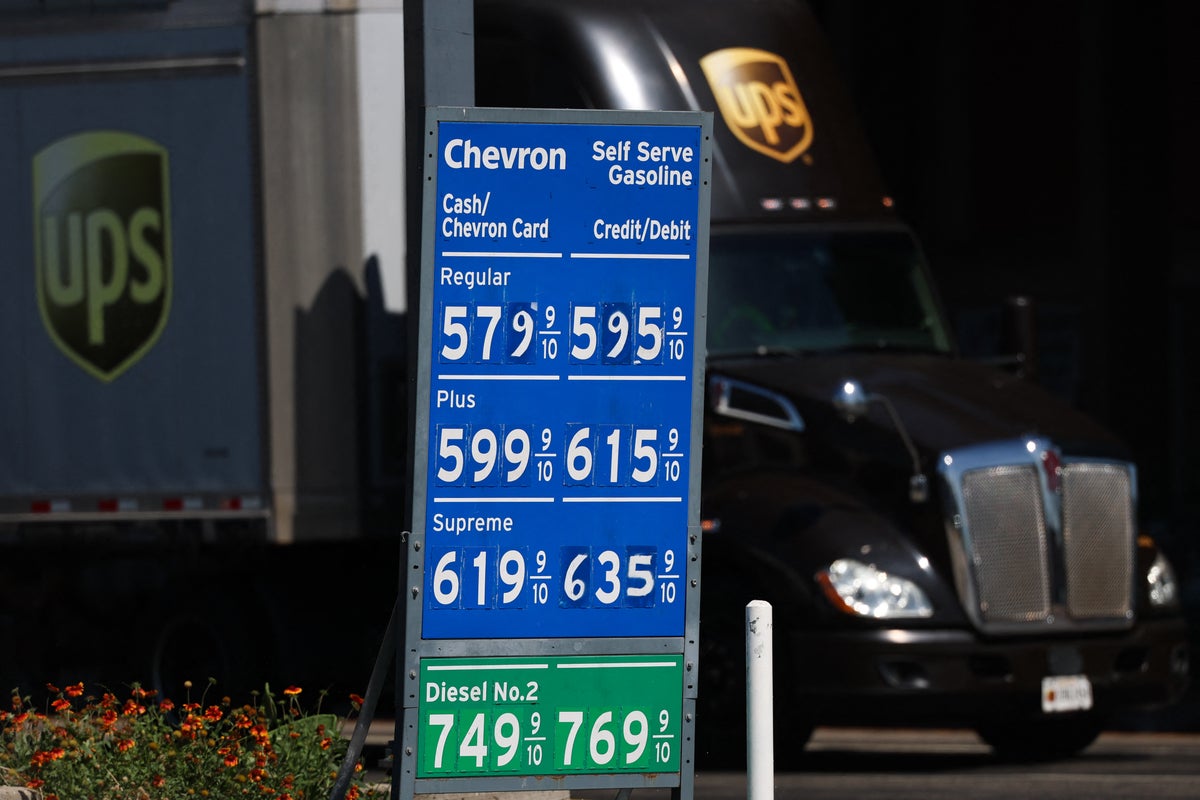
While higher interest rates are intended to temper economic growth, they cannot mitigate supply-side shocks like energy disruptions. Gas prices surged 9 percent between August and September, while airfares have risen roughly 23 percent over the past year. Although national gas prices averaged $4.34 a gallon on Tuesday, they remain elevated compared to the previous month.
The ripple effects of these costs are forcing businesses to adjust their pricing strategies. PepsiCo recently confirmed price increases for products like Doritos, Ruffles, Sun Chips, and various sodas to offset rising fuel and ingredient expenses. Similarly, the tech sector has seen price hikes due to semiconductor costs; Nintendo raised the price of the Switch 2 by 11 percent to $499.99 on September 1, and the iPhone 17 launched at a price roughly 10 percent higher than its predecessor.
Reporting by Policy-Wire (PW)