


Markets on Edge: Bond Yields Surge Amid US-Iran Tensions and Oil Shock
POLICY WIRE — London, UK — Bond yields are reaching unprecedented levels as hostilities between the U.S. and Iran reignite, causing oil prices to spike. Brent crude has surpassed $95, while the yield...

POLICY WIRE — London, UK — Bond yields are reaching unprecedented levels as hostilities between the U.S. and Iran reignite, causing oil prices to spike. Brent crude has surpassed $95, while the yield on the U.S. 10-year Treasury bond has hit a three-year peak.
The escalation follows reciprocal attacks between the two nations. The Pentagon confirmed strikes against Islamic Revolutionary Guard Corps targets, while Tehran reported hitting U.S. assets in Jordan and Iraq. This marks the first significant exchange since July.
The conflict has driven the U.S. 10-year Treasury bond yield to an intraday high of 4.8122%, the highest in nearly three years. Meanwhile, the 10-year Japanese government bond yield has surged to levels not seen in three decades.
For bond investors, this adds to existing fiscal worries. Bond vigilantes are demanding higher returns to fund governments with large deficits. The renewed oil shock exacerbates inflation, further diminishing the attractiveness of fixed-income assets.
Additionally, rising yields in Japan may retain more domestic investment, reducing a significant source of overseas bond demand that has stabilized global debt markets.
Bank of Japan officials have added to the pressure, with Governor Kazuo Ueda pledging to continue raising rates. Board member Hajime Takata called for a quicker pace of interest rate hikes.
Other central banks have also acted to curb cost-of-living pressures. The New Zealand dollar fell 1% to $0.58375 after the Reserve Bank of New Zealand raised rates by 25 basis points, accompanied by a more cautious statement.
Equities have reacted negatively as financial conditions tighten. MSCI’s Asia-Pacific index excluding Japan dropped 1.7%, South Korea’s KOSPI fell over 3.5%, and the Nikkei 225 declined 2.7%. S&P 500 e-mini futures edged down 0.1%.
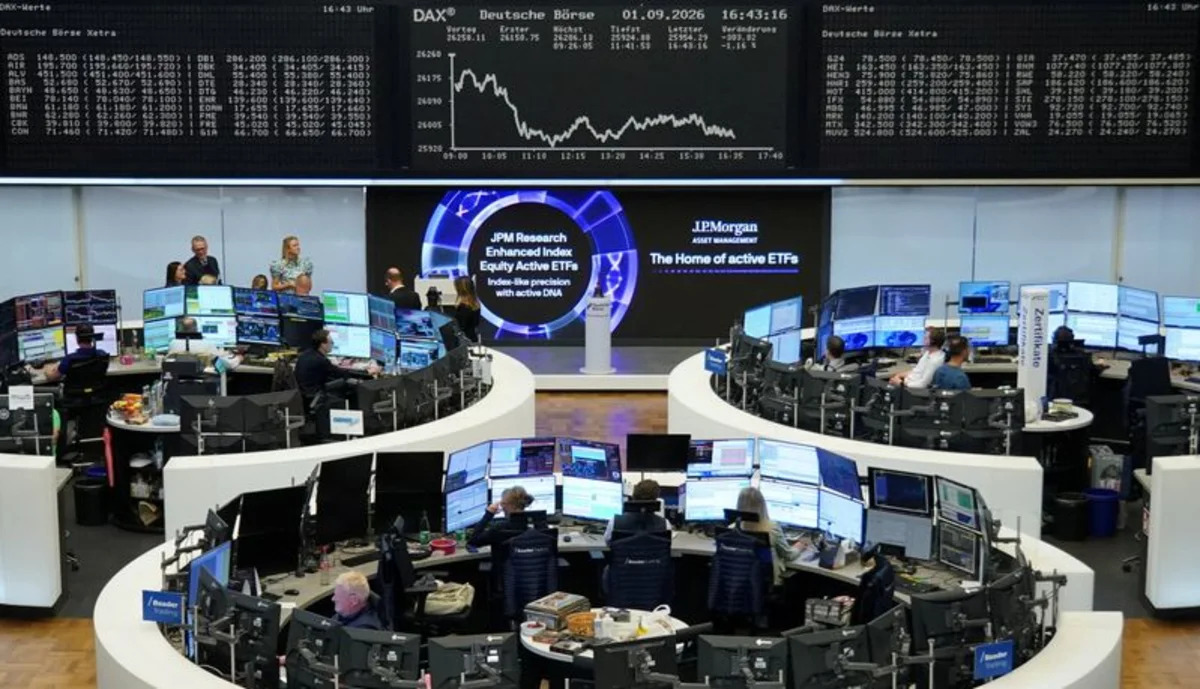
In early European trading, pan-region futures fell 0.4%, German DAX futures dropped 0.5%, and FTSE futures slid 0.5%.
Reporting by Policy-Wire (PW)