


Italian Fishermen Turn Invasive Blue Crabs into Economic Opportunity
POLICY WIRE — Scardovari, Italy — Italian fishermen have found a novel solution to the invasive Atlantic blue crab problem in the Po River Delta. After years of struggling with the alien predator,...

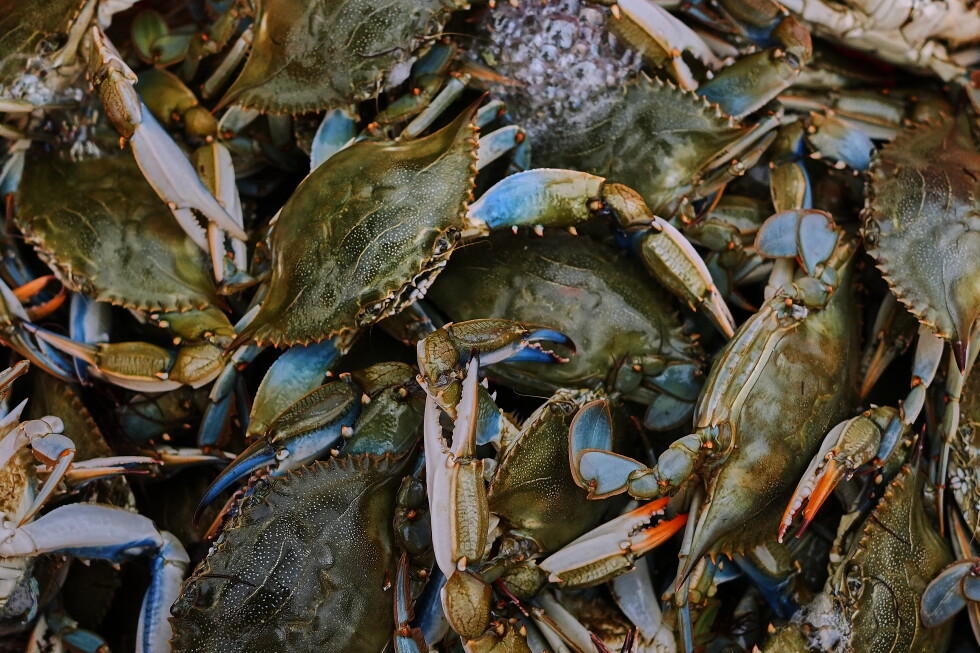
POLICY WIRE — Scardovari, Italy — Italian fishermen have found a novel solution to the invasive Atlantic blue crab problem in the Po River Delta. After years of struggling with the alien predator, they are now exporting the crabs to new markets.
For two years, fishermen incinerated most of the invasive crabs caught in the region. The crabs were blamed for decimating the prized Manila clams, and few Italians showed interest in eating them.
The shift in strategy has been beneficial. The Polesine Fishermen’s Cooperative Consortium, which saw its revenues drop 75% to 15 million euros ($17 million) in 2024 and 2025, is now forecasting 20 million euros ($23 million) in revenue this year, largely from crab sales.
Second-generation fisherman Federico Zago, who pulls up cages full of crabs from his traditional fishing cabin over the Scardovari Lagoon, supports the new approach. “Since we’re going to have to live with these crabs, I hope they become an opportunity,” he said.
The Atlantic blue crab has been in the Adriatic Sea since the 1940s, but their numbers exploded in 2023, likely due to climate change and drought-driven drops in the Po River’s levels. Higher water temperatures and changed salinity favored their reproduction.
The Italian government initially adopted a blue crab eradication program in 2024, paying fishermen to catch and incinerate nearly 2.3 million kilograms (5 million pounds) of crabs. However, with female crabs capable of producing up to 8 million eggs each season, culling had little impact on their numbers.
Scientists at the University of Bologna have experimented with releasing tens of thousands of octopuses to control the crab population, but skepticism remains high due to the crabs’ reproductive prowess.
Fishermen now sell their crabs to Sri Lankan company Taprobane Seafoods, which processes the meat and exports it to various markets. Taprobane is also planning a retail expansion in Italy and Europe.
Despite these efforts, blue crab is still largely absent from top Venice restaurants, which prefer the native green crab. However, the Yogi restaurant in Porto Tolle has embraced the blue crab, offering an all-crab menu.
Owner and chef Stefania Marchesini, a former professional fisherman, pays a premium for local crabs, especially soft-shell crabs. She believes that once people understand how to prepare blue crab, they will appreciate its quality.
Reporting by Policy-Wire (PW)