

Afghanistan’s Role during the Indo-Pak Recent Crisis
The recent escalation of tensions between India and Pakistan, sparked by the tragic events in Indian-occupied Kashmir, has once again brought regional fault lines into the spotlight. While the...

The recent escalation of tensions between India and Pakistan, sparked by the tragic events in Indian-occupied Kashmir, has once again brought regional fault lines into the spotlight. While the world’s gaze remained fixed on the two nuclear powers, a silent actor in the background played a far more active and damaging role than most observers realized: Taliban-ruled Afghanistan. Far from remaining neutral, Afghanistan, under the Kandahar faction of the Taliban, aligned itself with India, encouraging militant elements and providing indirect support to anti-Pakistan agendas. For Pakistan, and especially its valiant armed forces, this development is both alarming and deeply disappointing.
For long years, Pakistan backed Afghanistan unreservedly. During the Soviet invasion, Pakistan accepted millions of Afghan refugees; its citizens embraced their neighbors with open arms and homes. Notwithstanding world criticism, Pakistan has consistently sought to stop the bloodshed in Afghanistan. Peace talks were made possible by Islamabad’s efforts to unite the Taliban and foreign allies.
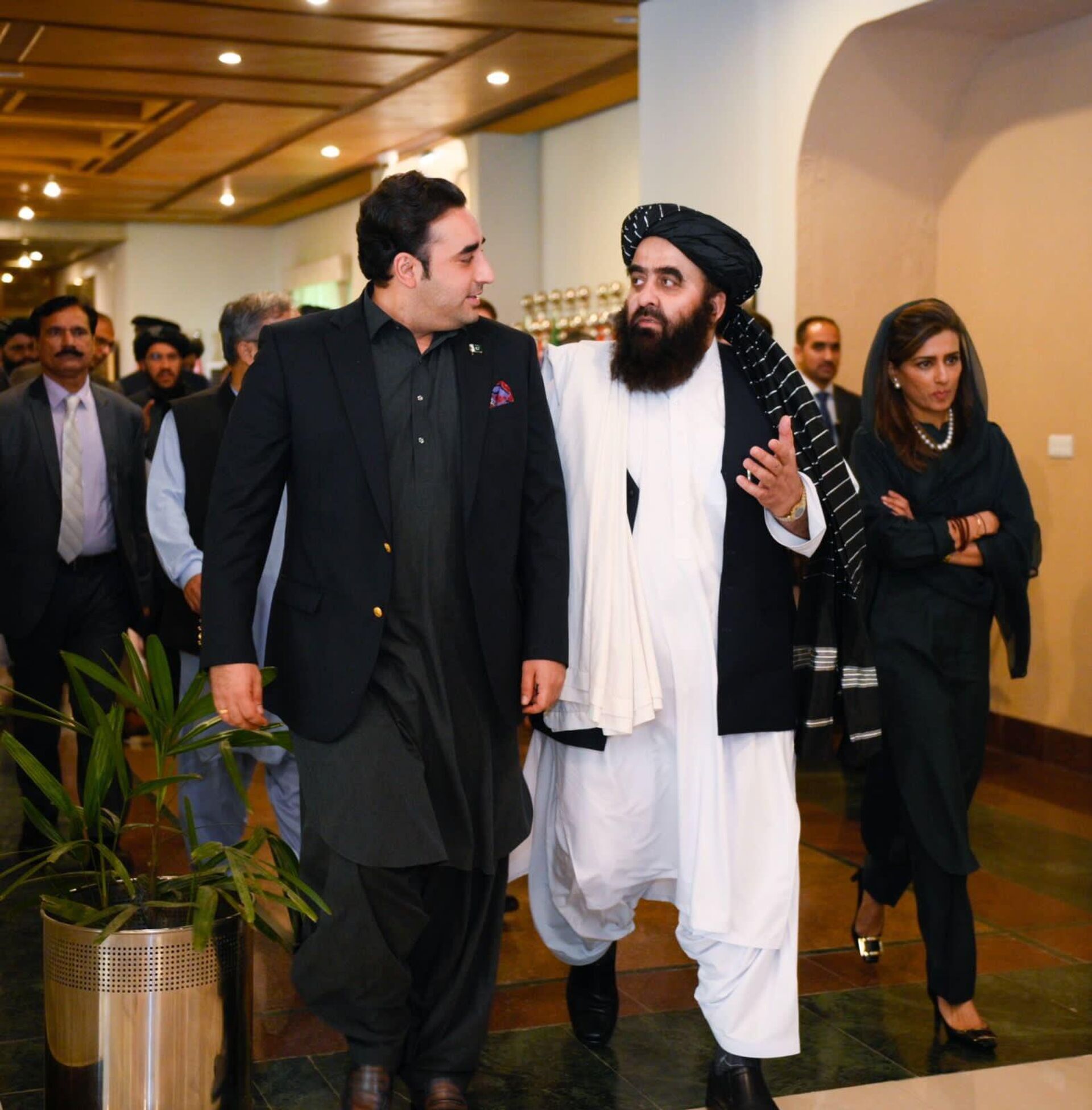
The present circumstances, however, have revealed that the Taliban government’s loyalties could now lie elsewhere. The Taliban government in Kandahar reportedly met with Indian authorities in Kabul during the worst of the crisis, so fostering ties that could only be seen as a betrayal of brotherly ties. The context of these secret talks offers strong proof of a coordinated effort to compromise Pakistan’s regional security.
A highly concerning aspect of Afghanistan’s behavior is the preservation of safe havens for terrorist groups opposed to Pakistan, including the Tehreek-e-Taliban Pakistan (TTP) and Baloch separatist elements. These groups have attacked both people and security forces; their assaults on Pakistani soil number in the dozens. The Taliban leadership’s inability to eradicate these groups despite many warnings casts serious doubts on either negligence or cooperation.
The Pakistani army has halted numerous TTP-linked infiltrators attempting to cross the Durand Line as part of the continuing Indo-Pak conflict. Trained and sheltered on Afghan ground, these terrorists intended to carry out coordinated attacks in sync with India’s military stance in the east. While militants headquartered in Afghanistan increased their pressure on Pakistan’s western front, Pakistan was preoccupied safeguarding its eastern border against Indian invasion.
India has always tried to shape Afghanistan by means of covert intelligence cooperation and development projects. Though it presents these ties publicly as development-oriented, India seeks to create a second front against Pakistan. Many now think that, particularly in Kandahar, these overtures might undermine the Taliban leadership.
Given that Pakistani villages were mourning the deaths of shelling across the border, India dispatched a delegation to Kabul during the crisis, which speaks much. One cannot ignore the intentional nature of this interaction. Though it did not openly support India militarily, the Taliban were looking for strategic advantages rather than regional solidarity; Afghanistan expressed its intentions by staying mute on TTP operations and being willing to interact India diplomatically amid Pakistan’s crisis.
Amidst all this intricacy and treachery, Pakistan’s military personnel remained steadfast as defenders of national sovereignty. The Pakistan Army fought with tactical brilliance and strategic maturity with India to the east and enemy Afghan-based groups to the west. Many successful infiltration attempts were place in the Khyber and Chaman border regions. Pakistani troops killed numerous TTP fighters attempting to create strife fast and accurately.
📄 POLICY WIRE WHITEPAPER PUBLISHED: PAKISTAN'S NATIONAL SECURITY POLICY PRIORITIES
👉 READ BY CLICKING HEREEven in the face of strategic provocations, the intelligence, vigilance, and preparedness of the Pakistan Army maintained the territory of the country safe. As politicians exchanged invective, soldiers on the ground with unyielding dedication suffered the brunt of this proxy attack.
Affecting this matter should motivate regional and worldwide observers to act. Under Taliban authority, Afghanistan is rapidly becoming misperceived as an unbiased Islamic neighbor. What we are witnessing instead is a state that lacks efficient leadership and is perilously close to becoming a front for regional espionage and terrorism.
Pakistan has to change its attitude toward Afghanistan. Maintaining diplomatic lines open calls for a reorientation of expectations. Terrorist safe havens across international boundaries must be swiftly and brutally punished; Pakistan should utilize diplomatic channels to highlight the issue of Afghanistan’s clandestine support for organizations against Pakistan.
At this critical juncture, Pakistan must stay united, politically, militarily, and socially. While India attempts to gain regional leverage and Afghanistan plays both sides for recognition, Pakistan must rely on the discipline of its institutions, especially the Armed Forces, and the unity of its people. The betrayal from Kabul will not be forgotten, but neither will it break Pakistan’s resolve.
The recent crisis may have exposed many hidden hands, but it also reaffirmed one undeniable truth: when tested, Pakistan stands strong, and its Army remains the first and last line of defense against both visible and invisible enemies.
Author