



Massive ‘Ghost Cake’ Delivery Scandal Uncovered in China: Consumer Fraud & Regulatory Crackdown
POLICY WIRE — Shanghai, China — A single, disappointing online cake order in China has unexpectedly brought to light a vast “ghost cake” delivery scam, highlighting significant...

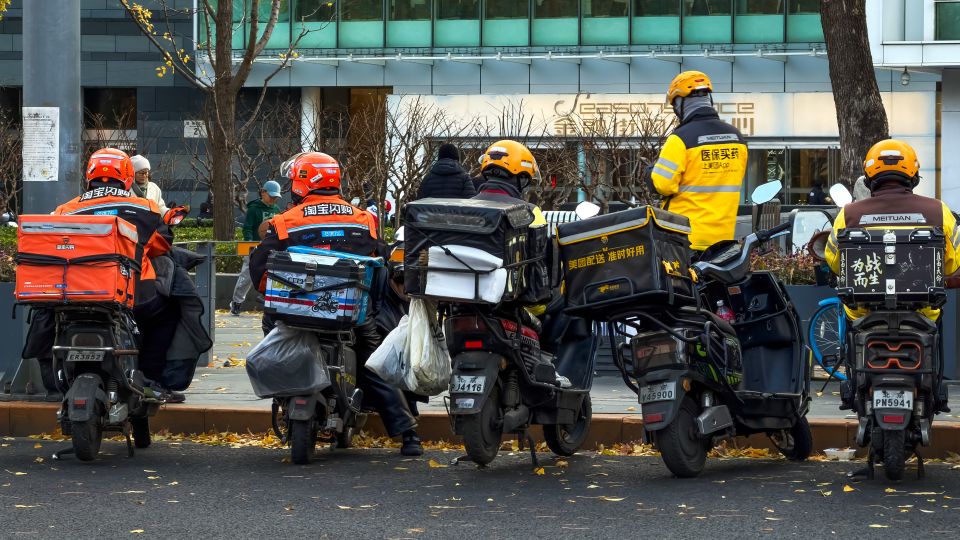
POLICY WIRE — Shanghai, China — A single, disappointing online cake order in China has unexpectedly brought to light a vast “ghost cake” delivery scam, highlighting significant difficulties consumers encounter in verifying the legitimacy of food purchases made through digital platforms.
The situation commenced when a user, identified solely as Li, placed an order for a birthday cake for a friend via a prominent food delivery service. The delivered item was markedly inferior to its online portrayal, appearing undersized, crudely decorated, and distinctly unfresh.
Investigation Unearths Elaborate Ghost Operations
Instead of simply seeking a refund, Li’s dissatisfaction prompted a deeper investigation. She decided to personally visit the bakery’s listed address in Shanghai, only to discover a residential building with no discernible bakery presence. Further inquiries revealed the supposed establishment was a “ghost kitchen” — a term for delivery-only food businesses operating from unmarked, often shared, culinary spaces. However, this particular discovery proved far more alarming.
It quickly became apparent that this was an entirely fraudulent enterprise. Official records indicated the business was operating under a license that had been expired for months. This initial finding rapidly led to the exposure of a widespread network of similar fake bakeries and food businesses. These operations were active across several major Chinese cities, all utilizing either expired or falsified licenses.
These illicit entities frequently showcased alluring photographs of premium products online, only to deliver substandard, or potentially unsafe, goods to unsuspecting customers. This systematic deception highlighted a serious lapse in oversight within the burgeoning online food sector.
📄 POLICY WIRE WHITEPAPER PUBLISHED: PAKISTAN'S NATIONAL SECURITY POLICY PRIORITIES
👉 READ BY CLICKING HERE
Regulatory Response and Consumer Protection
The scandal has elicited a prompt and decisive reaction from Chinese authorities. The State Administration for Market Regulation (SAMR) has initiated a nationwide crackdown targeting such fraudulent online food businesses. Investigations are now intensively focusing on popular delivery platforms to ensure they are adequately vetting their vendors and maintaining stringent quality controls.
Consumers are strongly advised to exercise heightened caution and report any suspicious activities related to online food orders. This incident underscores the growing problem of food safety and consumer fraud in China’s rapidly expanding online delivery market, emphasizing the critical need for enhanced regulatory oversight and greater transparency from digital platforms to shield consumers from deceptive practices and similar unauthorized or exploitative activities.
Read More: Albuquerque Murder Suspect Edwin Sanders: Prosecutors Push for Pre-Trial Jail Hold