

Wyoming Ranchers Face Tough Choices Amid Drought, Rising Costs and Beef Import Policy Shift
POLICY WIRE — Wyoming, United States — Wyoming ranchers are facing mounting pressure as they navigate a challenging landscape marked by prolonged drought, rising operational costs, and the recent...

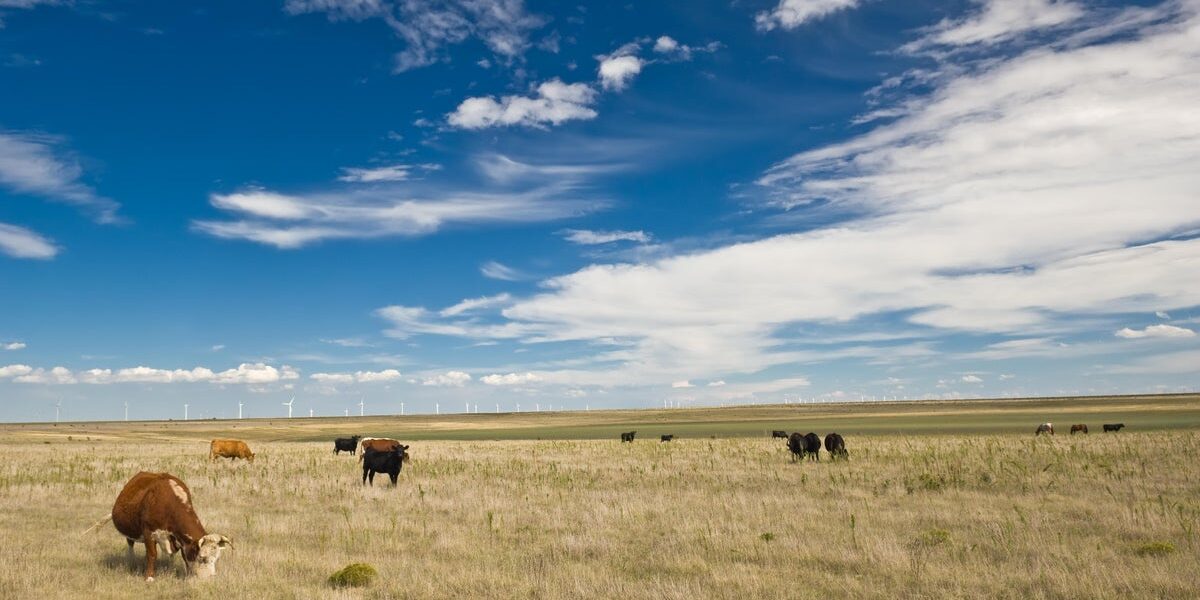
POLICY WIRE — Wyoming, United States — Wyoming ranchers are facing mounting pressure as they navigate a challenging landscape marked by prolonged drought, rising operational costs, and the recent shift in U.S. trade policy regarding beef imports.
The situation escalated after President Trump announced a 90-day tariff waiver on certain ground beef imports, allowing up to 300,000 metric tons of beef into the country without additional tariffs. This move temporarily halted higher tariffs that would have been triggered if trade volume exceeded set quotas under World Trade Organization rules.
Cattle futures initially dropped sharply following the announcement but later recovered, closing about 2% lower than before the policy change. Despite this, ranchers remain concerned about the long-term implications of increased beef imports, which could affect their ability to rebuild herds and maintain profitability amid already difficult conditions.
With U.S. beef prices climbing to nearly $7 per pound—up from $2.93 in 2021—the White House claimed the temporary import expansion would help lower consumer costs. However, many ranchers argue the policy undermines their efforts to sustain their businesses and recover from years of decline.
Ranchers in Wyoming have reported significant financial strain, with some forced to sell off their herds due to economic pressures. Lander Nicodemus, owner of Torrington Livestock Markets, described the past year as one of extreme difficulty, noting that many ranchers had to make tough decisions they wished they did not have to face.
📄 POLICY WIRE WHITEPAPER PUBLISHED: PAKISTAN’S NATIONAL SECURITY POLICY PRIORITIES
Following the tariff waiver, which took effect on September 1, some Chicago Mercantile Exchange cattle futures contracts hit eight-month lows, though they later rebounded. Industry experts warn that ongoing uncertainty around import policies could continue to destabilize the market, making it harder for producers to plan and invest in their operations.
As the cattle industry faces an uncertain future, concerns about food security and the sustainability of American ranching operations are growing. Nicodemus emphasized that the long-term viability of the sector remains a critical issue for both producers and consumers alike.
Reporting by Policy-Wire (PW)