



The Contradiction in India’s Pakistan Policy
While extending invitations to Pakistan for Shanghai Cooperation Organisation (SCO) engagement, New Delhi continues to fuel an environment of suspicion with recurring blame over security incidents...

South Asia remains one of the world’s most politically sensitive regions, where unresolved disputes, security concerns, and historical mistrust continue to shape relations between neighbouring states. In such an environment, diplomacy is not merely a political choice but a necessity. Regional stability requires countries to maintain communication, engage through multilateral institutions, and avoid actions that deepen hostility or undermine the possibility of cooperation.
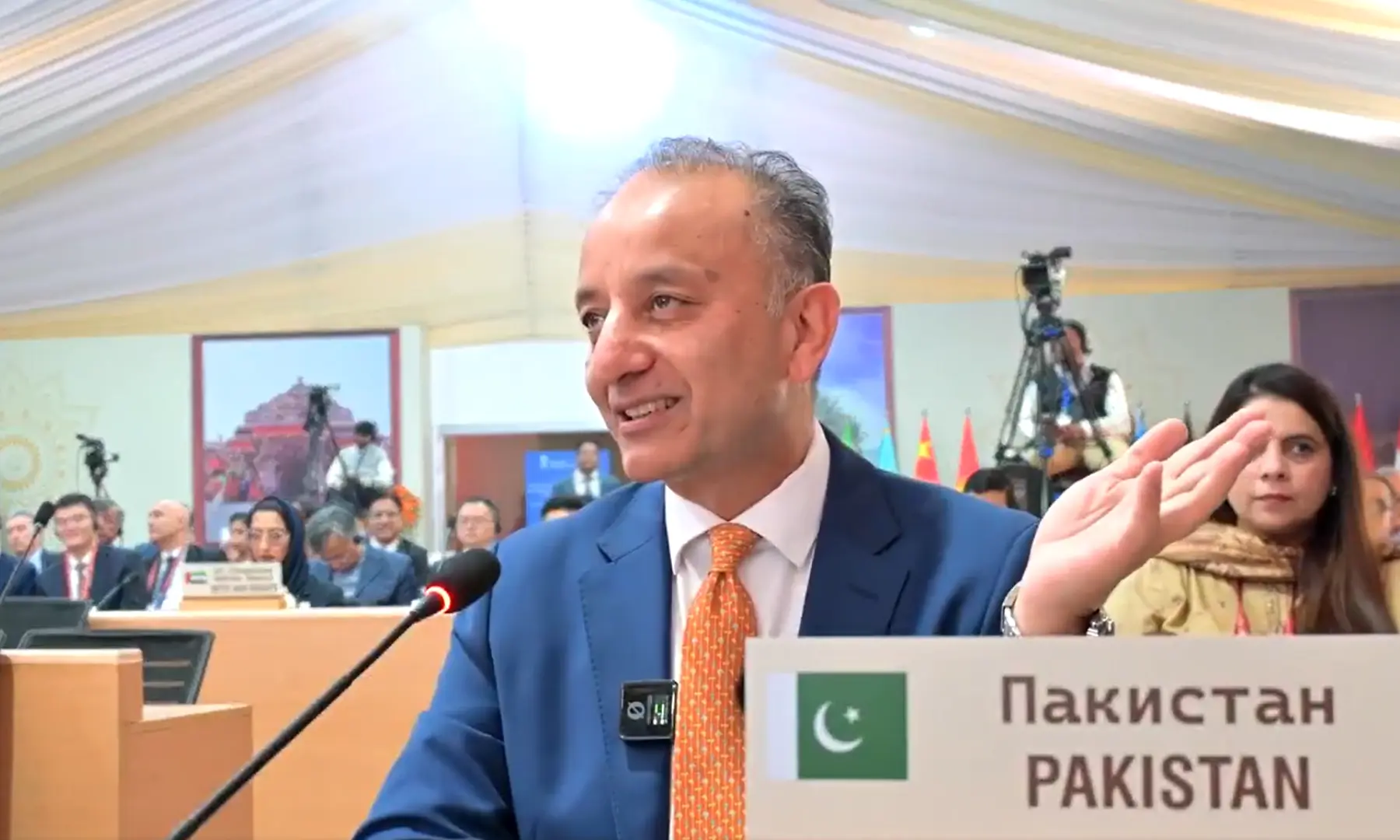
The Shanghai Cooperation Organisation (SCO) provides precisely such a platform. It brings regional countries together to pursue shared interests, including security, counterterrorism, economic cooperation, connectivity, and stability. Despite bilateral differences, member states are expected to recognise the importance of engagement and collective responsibility. Pakistan’s participation in the SCO reflects its continued commitment to regional diplomacy and multilateral cooperation.
India’s invitation to Pakistan for SCO-related engagement, therefore, carries significance beyond the formalities of a summit. It signals an opportunity for both countries to maintain communication within a broader regional framework, even when bilateral relations remain strained. Yet, this diplomatic gesture stands in sharp contrast with India’s recurring accusations against Pakistan following incidents of violence, including those associated with Kulgam.
This contradiction raises serious questions about the consistency of India’s regional approach. While inviting Pakistan to participate in a multilateral forum that promotes cooperation, New Delhi continues to fuel an environment of suspicion by repeatedly placing Pakistan under blame. Such a pattern weakens the very spirit of dialogue that regional institutions are supposed to promote.
Diplomacy Cannot Function on Contradictions
Multilateral engagement requires more than invitations, official statements, and diplomatic appearances. It demands restraint, mutual respect, and a willingness to separate political narratives from verified facts. A country cannot genuinely advocate regional cooperation while simultaneously reinforcing hostility towards a neighbouring state through repeated allegations.
India’s approach increasingly reflects this inconsistency. Pakistan is considered an essential participant when regional engagement requires a broader diplomatic presence, yet it is frequently portrayed as a security threat when incidents occur within India’s domestic or regional security landscape. This selective approach creates an atmosphere in which diplomacy appears conditional and political convenience takes precedence over genuine cooperation.
The SCO was established to encourage regional stability, not to provide diplomatic optics while member states continue to undermine trust outside its framework. If India expects Pakistan to engage constructively, it must also demonstrate a willingness to move beyond accusations and political rhetoric.
Kulgam and the Culture of Blame
Security incidents deserve serious investigation, accountability, and a responsible response. The loss of innocent lives must never become a political opportunity for any state. However, assigning responsibility before presenting credible, verifiable evidence risks transforming a security investigation into a political narrative.
Pakistan has repeatedly rejected allegations of involvement in incidents inside India and has maintained that accusations should be supported by evidence rather than assumptions or political statements. This position is particularly relevant when incidents such as Kulgam trigger an immediate wave of accusations, public speculation, and narratives directed towards Pakistan.
The problem is not that India raises security concerns. Every state has the right to investigate threats and protect its citizens. The problem emerges when allegations become a recurring political reflex, with Pakistan placed under suspicion before a transparent process establishes responsibility.
Pakistan itself has suffered enormously from terrorism, paying a heavy price in civilian lives, military sacrifices, economic losses, and social disruption. This experience gives Islamabad a legitimate interest in counterterrorism cooperation and regional peace. It also makes the repeated portrayal of Pakistan as the default culprit particularly frustrating when allegations are not accompanied by credible evidence.
An allegation is not proof, and diplomatic pressure cannot replace an impartial investigation.
Pakistan’s Commitment to Regional Engagement
Pakistan’s participation in the SCO reflects its recognition that regional challenges cannot be addressed through confrontation alone. Economic cooperation, security coordination, connectivity, and diplomatic engagement remain essential to the region’s future. Islamabad has consistently maintained that dialogue is preferable to escalation, provided it takes place on the basis of mutual respect, sovereign equality, and national dignity.
Engagement, however, should not be confused with acquiescence. Pakistan can participate in regional forums, support multilateral cooperation, and advocate peace while firmly rejecting allegations that undermine its national interests. Its willingness to engage does not mean it should accept a hostile narrative without question.
If India genuinely seeks a constructive regional relationship, it must recognise that trust cannot develop in an environment shaped by recurring accusations and political hostility. Diplomacy requires consistency, not selective gestures.
The Double Standard Must End
South Asia cannot afford a cycle in which diplomatic invitations are extended on one occasion and accusations dominate the political atmosphere on another. Regional cooperation loses meaning when states participate in multilateral forums without demonstrating the same spirit of engagement in their broader conduct.
India must decide whether its outreach to Pakistan through the SCO represents a genuine commitment to regional stability or simply a diplomatic gesture that sits uneasily alongside its domestic political narrative.
Pakistan remains open to meaningful engagement, regional peace, and constructive cooperation. But lasting dialogue requires honesty, restraint, and mutual respect. If India wants Pakistan at the table, it must also abandon the politics of repeated blame and allow credible evidence, not political expediency, to shape its response to security incidents.
Regional peace cannot be built through invitations in one direction and accusations in the other. This hypocrisy must stop.