

Pakistan’s Nuclear Diplomacy Beyond Deterrence
Hosting the IAEA's 15th annual NSSC Network meeting in Islamabad highlights a critical yet often overlooked dimension of Pakistan's nuclear role: robust physical protection, international training,...

A radiation therapy machine sits in a hospital. A density gauge hangs on a pipeline. A research reactor operates inside a university. All contain radioactive material, and all require protection against theft, sabotage and unauthorized access. This is the responsibility of nuclear security. While nuclear safety focuses on preventing accidents, nuclear security protects materials, facilities and equipment against malicious acts. Fences and alarms are part of that protection, but so are licensing rules, background checks and the training of personnel responsible for enforcing them. Nuclear security, therefore, depends not only on technology but also on the institutions and people responsible for managing it.
The scale of this responsibility is often underestimated. The International Atomic Energy Agency’s (IAEA) incident database recorded 4,626 cases of illegal or unauthorized activity involving nuclear and radioactive material between 1993 and 2025. Of these, 730 involved thefts or attempted thefts, with more than half occurring during transport. States reported 236 incidents in 2025, a rise the agency attributed to late reporting. Although most incidents were unlikely to involve trafficking or malicious use, they demonstrate how radioactive material can fall outside regulatory control. Since such material can cross borders, weaknesses in one country’s security arrangements can create risks for others. Nuclear security, therefore, cannot remain an isolated national responsibility. It requires cooperation, shared expertise and the ability of states to strengthen one another’s security systems.
Recognising this need, the IAEA established the International Network for Nuclear Security Training and Support Centres (NSSC Network) in 2012. The network allows member states to exchange training material, develop professional expertise, share experiences and strengthen their national nuclear security capabilities. Its underlying principle is that lasting security cannot depend solely on regulations or equipment. States need trained personnel who can implement those regulations, identify threats and respond to emerging challenges. By developing national expertise and connecting training institutions internationally, the network seeks to make nuclear security a sustained institutional capability rather than a temporary policy commitment.
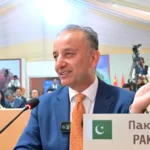
Pakistan’s hosting of the network’s 15th annual meeting in Islamabad from November 23 to 26 should be viewed within this broader context. Representatives from 49 member states and the IAEA will gather to discuss nuclear security training, international cooperation and the exchange of best practices. Pakistan previously hosted the meeting in 2016, becoming the first country outside Vienna to hold it. The significance of this engagement extends beyond hosting an international gathering. Pakistan is a nuclear state whose security practices are often assessed through the lens of regional deterrence and its rivalry with India. Its participation in nuclear security cooperation presents another dimension of that role that Pakistan is not only responsible for securing its own nuclear infrastructure but is also developing expertise and training capabilities relevant to other states. This contribution deserves consideration alongside the country’s deterrent capabilities.
Pakistan’s engagement in nuclear security, however, did not begin with the upcoming meeting. It reflects years of institutional development and cooperation with the IAEA. Pakistan acceded to the Convention on the Physical Protection of Nuclear Material in 2000 and began a nuclear security action plan with IAEA assistance in 2006. In March 2016, it ratified the 2005 amendment to the convention, extending its scope to the protection of nuclear material in domestic use, storage and transport, as well as nuclear facilities. Its Centre of Excellence for Nuclear Security has also reported training more than 12,000 individuals. In 2019, the centre hosted a workshop involving 18 foreign participants from 12 countries, including China, Spain, Nigeria and Vietnam. It subsequently hosted an IAEA workshop on threat assessment in December 2024, followed by another IAEA training event in November 2025. These initiatives reflect an effort to develop nuclear security as a continuing institutional responsibility rather than a response limited to international scrutiny.
Pakistan’s engagement has also received formal recognition through its working arrangements with the IAEA. In 2022, the agency designated Pakistan’s National Institute of Safety and Security as a collaborating centre. In May 2024, it signed a practical arrangement with Pakistan’s Centre of Excellence for Nuclear Security. Former IAEA Director General Yukiya Amano had also stated in 2015 that Pakistan’s nuclear power plants and research reactors were under IAEA safeguards. These arrangements are significant because nuclear security cooperation requires more than diplomatic assurances. It involves institutions, technical engagement and sustained working relationships with international partners. Pakistan’s continued cooperation with the agency provides an institutional basis for its broader argument that nuclear responsibility should be assessed through its security practices and international engagement as well as its strategic capabilities.
Independent assessments also provide a useful perspective on Pakistan’s progress. The Nuclear Threat Initiative (NTI) found in 2014 that Pakistan had made the largest improvement in nuclear security among nuclear-armed states. Its scores for security and control measures improved across successive editions through 2020, when a 25-point increase represented the second-largest improvement ever recorded in the index. The improvement was linked to measures involving site protection, cybersecurity and insider-threat prevention. NTI also identified Pakistan as the most improved country possessing weapons-usable nuclear material in that edition. In its 2023 index, Pakistan scored 49 in securing materials against theft, compared with India’s 40, while its score for protecting nuclear facilities was 61, compared with India’s 52. Although these assessments do not establish that every security challenge has been resolved, they offer measurable evidence of progress in an area where institutional improvement matters.
Improvements in performance do not eliminate vulnerabilities. However, changes made over time can not be ignored. A country that improves its security measures, develops specialised training institutions and engages with international partners demonstrates a willingness to strengthen its capabilities. Pakistan’s record should therefore be assessed through both its remaining weaknesses and the progress it has made so far.
Beyond the technical benefits, this engagement carries diplomatic significance for Pakistan. Representatives from 49 countries may have different political interests, regional alliances and security priorities, but nuclear security provides an area where cooperation remains possible. Protecting nuclear materials, improving threat assessment and training personnel are shared responsibilities that do not require countries to resolve their wider political disagreements. Such professional exchanges can build working relationships that remain useful even when diplomatic relations become strained. For Pakistan, hosting these discussions creates an opportunity to engage the international community through expertise and cooperation rather than through the familiar framework of regional rivalry. It also strengthens its case for a more meaningful role in global nuclear governance, where participation should be informed by practical contributions as well as strategic considerations.
Yet hosting an international meeting is only the beginning. If Pakistan wants nuclear security cooperation to translate into lasting credibility, it must continue strengthening the institutions behind it. Publishing regular figures on the number of domestic and international personnel trained, expanding technical cooperation and inviting further IAEA peer reviews would help make its progress more transparent and measurable.
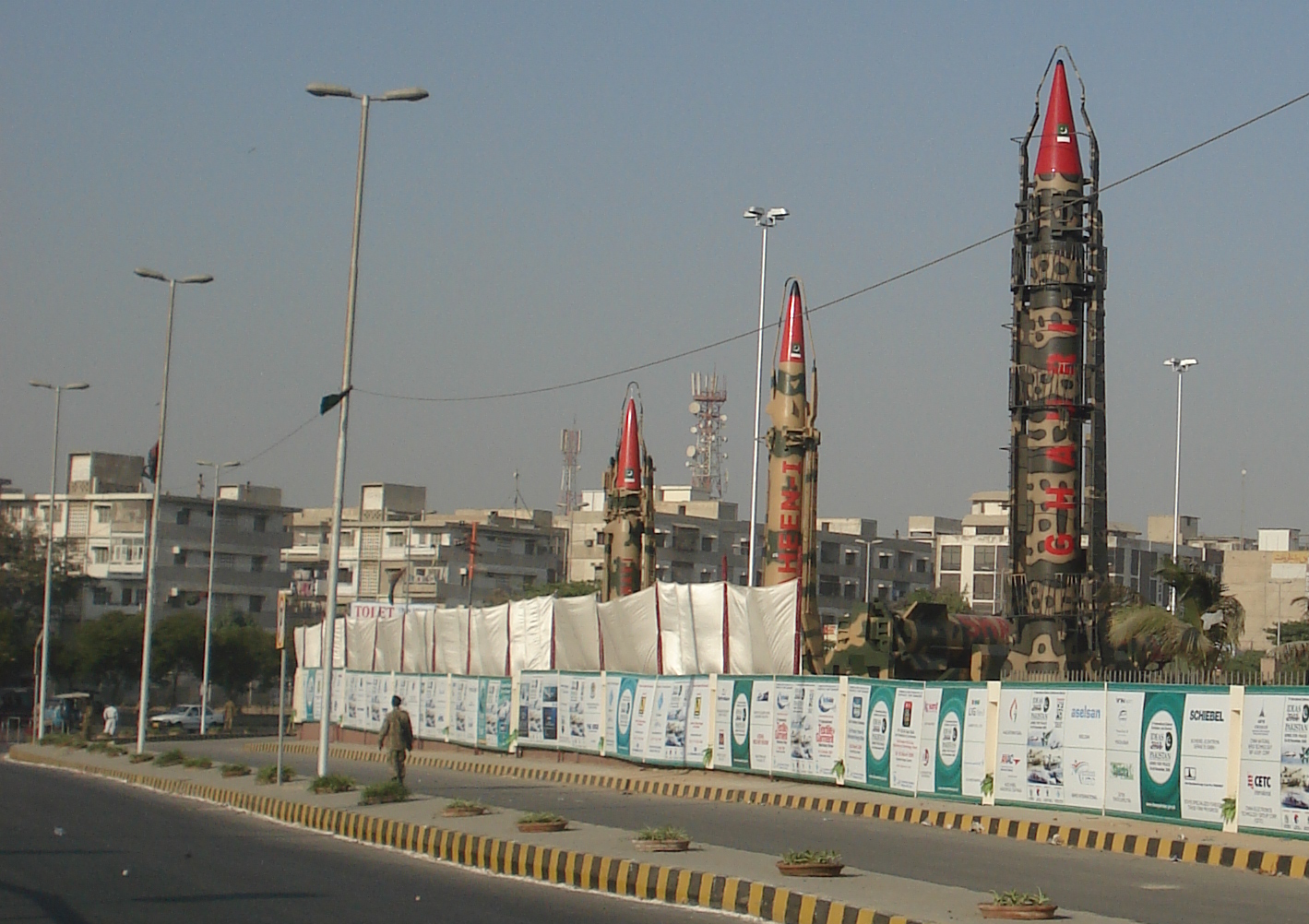
Deterrence will continue to dominate international discussions of Pakistan’s nuclear programme because of the strategic realities of South Asia. However, deterrence is not the only measure of a nuclear state’s responsibilities. The protection of nuclear materials, the development of trained personnel and cooperation with international institutions are equally important to the wider nuclear security environment. Pakistan’s hosting of the NSSC Network meeting offers an opportunity to highlight this dimension of its nuclear diplomacy. Its international standing should not be viewed only through the weapons it possesses or the rivalries it faces, but also through the expertise it develops, the institutions it strengthens and the responsibilities it is willing to share. In nuclear security, credibility is not built through declarations alone. It is built through the work a country is willing to undertake, sustain and open to international scrutiny.