

Winners and Losers of the Green Pakistan Initiative
Agriculture is the backbone of Pakistan’s economy, providing food, jobs, and income for millions. But for years, the sector has struggled with low productivity, outdated farming techniques, and...

Agriculture is the backbone of Pakistan’s economy, providing food, jobs, and income for millions. But for years, the sector has struggled with low productivity, outdated farming techniques, and climate challenges. In an effort to change this, the government launched the Green Pakistan Initiative (GPI)—a project designed to modernize farming and boost food production. While the initiative promises great benefits, an important question remains: Who will actually gain from it, and who might be left behind?
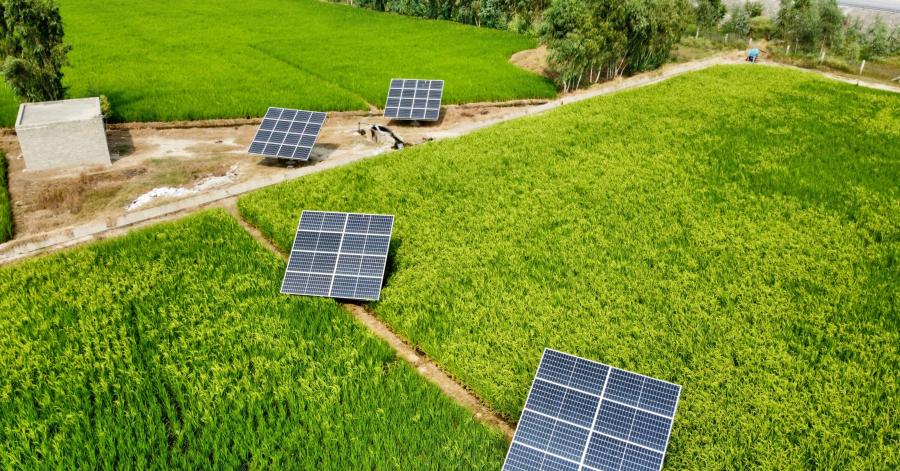
The Green Pakistan Initiative is focused on transforming uncultivated land into high-yield farms using modern technology. The government and the Pakistan Army are leading the effort, bringing in advanced irrigation systems, high-quality seeds, AI-driven monitoring, and better farming equipment. The idea is simple—produce more food while using fewer resources. But while this sounds great on paper, not everyone may benefit equally.
One of the biggest winners of this initiative could be large-scale investors and agribusinesses. The government is offering huge tracts of land for commercial farming, and big companies will have the resources to invest in modern technology, irrigation, and high-yield seeds. With easier access to machinery and funding, these investors will likely see higher profits and strong market control. Large corporate farms could turn Pakistan into a food-exporting country, reducing its reliance on imports and boosting economic growth.
Another group that stands to benefit is the agricultural supply chain. Companies that sell seeds, fertilizers, pesticides, and farming equipment will experience a surge in demand. With modern techniques becoming more common, businesses involved in smart irrigation, drone farming, and AI-based agriculture will also see huge growth opportunities. The initiative is not just about producing food—it is also about creating a high-tech agricultural industry that can compete globally.
Technology providers will be among the winners too. The introduction of drones, sensors, and automated farming systems means that tech companies will have a new market to tap into. The government’s focus on precision farming—where technology helps optimize resources—will push digital agriculture forward. This could lead to job creation in tech-related fields, providing employment opportunities beyond traditional farming.
But what about small farmers? This is where things get complicated. Pakistan’s agriculture is dominated by small and medium-sized farmers, many of whom lack the financial resources to invest in new technologies. Without proper support, they risk being left behind. If large agribusinesses take over most of the newly developed farmland, smaller farmers might struggle to compete with them. Lower market prices, limited access to high-tech equipment, and land ownership issues could create major challenges for local farmers who have been in the business for generations.
Access to land is another concern. If the best lands are given to big investors, where will small farmers go? The government has promised that local farmers will be part of the initiative, but if priority is given to large-scale businesses, the gap between wealthy landowners and small-scale farmers will widen. Pakistan already has a history of land distribution problems, and without clear policies to protect small farmers, they could lose out to large agricultural corporations.
Another group that could face difficulties is traditional seed and fertilizer suppliers. As the initiative promotes modern and imported farming solutions, local suppliers of traditional agricultural inputs might struggle. If farmers are encouraged to switch to high-yield hybrid seeds and specialized fertilizers, smaller local businesses could lose their customer base. This shift towards industrialized agriculture might benefit large-scale producers but hurt small agricultural traders.
Environmental concerns also come into play. While modern irrigation systems like drip and sprinkler irrigation save water, large-scale commercial farming can still put pressure on natural resources. If too much focus is placed on expanding agriculture without considering environmental impacts, the country could face soil degradation, deforestation, and excessive groundwater usage. This could harm long-term sustainability rather than improve it.
📄 POLICY WIRE WHITEPAPER PUBLISHED: PAKISTAN'S NATIONAL SECURITY POLICY PRIORITIES
👉 READ BY CLICKING HEREFor the general public, the real impact of the initiative will be seen in food prices. If local production increases significantly, food might become more affordable for consumers. Pakistan relies heavily on food imports, and reducing this dependence could stabilize food prices. However, if big investors prioritize exports over local markets, the benefits might not reach ordinary citizens. Will more food production actually mean cheaper food for Pakistanis? That remains an open question.
There is also the issue of government funding. Large-scale agricultural projects require huge investments, and some critics argue that the money spent on GPI could have been used to support struggling small farmers instead. Pakistan’s economy is already under pressure, and if the initiative doesn’t deliver results, it could add to the country’s financial burden. Ensuring that funds are used efficiently and fairly distributed will be key to determining the success of the initiative.
Despite these concerns, the Green Pakistan Initiative does offer hope. If implemented correctly, it can boost agricultural productivity, reduce food insecurity, and create new job opportunities. However, for it to truly succeed, it must be inclusive. Small farmers, agricultural workers, and local suppliers must be given equal opportunities rather than being overshadowed by large corporations. Policies must be in place to ensure fair land distribution, access to modern technology, and protection against market monopolies.
The future of Pakistan’s agriculture depends on how well this initiative is managed. If the right balance is struck between corporate investment and small farmer inclusion, Pakistan could transform its agricultural sector into a global powerhouse. But if only the wealthy and powerful benefit, it could widen economic inequalities and push small farmers further into poverty.
The Green Pakistan Initiative is a bold step towards modernization, but who truly wins and loses will depend on how fairly and transparently it is executed. The goal should not just be more food—it should be a fair and sustainable agricultural future for all Pakistanis.
Author